The liver, often overlooked in discussions about health, is one of the body's most critical organs. Tucked away in the upper right quadrant of the abdomen, this powerhouse performs over 500 functions, from detoxifying harmful substances to regulating metabolism and producing essential proteins. Yet, despite its resilience, the liver is vulnerable to damage from poor diet, excessive alcohol, and sedentary lifestyles. With rising rates of liver-related diseases, such as fatty liver disease and hepatitis, taking proactive steps to care for this organ has never been more important. This article explores the science of liver health, practical strategies for maintaining it, and the profound impact of small lifestyle changes, drawing on insights from experts and individuals who have transformed their health.
The liver's role in the body is nothing short of remarkable. It processes nutrients from food, filters toxins from the blood, and produces bile to aid digestion. It also stores glycogen for energy, regulates blood sugar, and helps maintain hormonal balance. "The liver is like the body's chemical processing plant," says Dr. Amina Okoth, a Nairobi-based hepatologist. "It works tirelessly, but when it's overwhelmed, the effects ripple through the entire system." Over time, factors like excessive alcohol consumption, high-sugar diets, and certain medications can strain the liver, leading to conditions like non-alcoholic fatty liver disease (NAFLD), which affects nearly one in four adults globally.
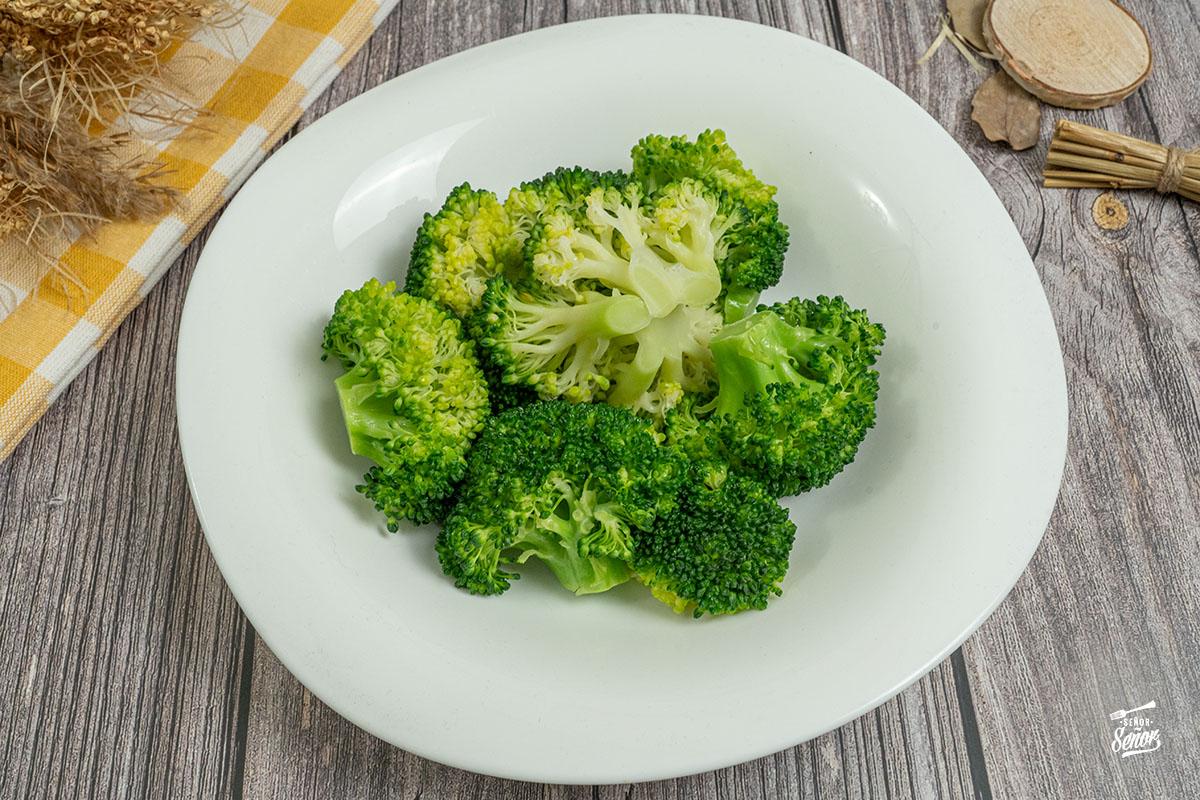
Diet is a cornerstone of liver health. Foods rich in antioxidants, fiber, and healthy fats can support the liver's detoxification processes, while processed foods and sugars can burden it. Leafy greens like spinach and kale, cruciferous vegetables like broccoli, and fruits such as berries are packed with antioxidants that protect liver cells from damage. Healthy fats from avocados, nuts, and olive oil help reduce inflammation, while whole grains like quinoa and oats provide fiber to aid digestion. "I tell my patients to think of their plate as a rainbow," says nutritionist Sarah Wambui, who works with clients in Mombasa. "The more colorful your diet, the more nutrients you're giving your liver to do its job."
One of the most effective dietary strategies is reducing sugar intake, particularly fructose, which is found in sodas, candies, and processed snacks. Fructose is metabolized primarily by the liver, and excessive consumption can lead to fat accumulation in liver cells, a precursor to NAFLD. A 2023 study found that cutting sugary drinks from the diet can reduce liver fat by up to 20% in just three months. For those looking to make practical changes, Wambui suggests starting small. "Swap out one sugary drink a day for water or herbal tea," she advises. "Over time, those small swaps add up to big wins for your liver."
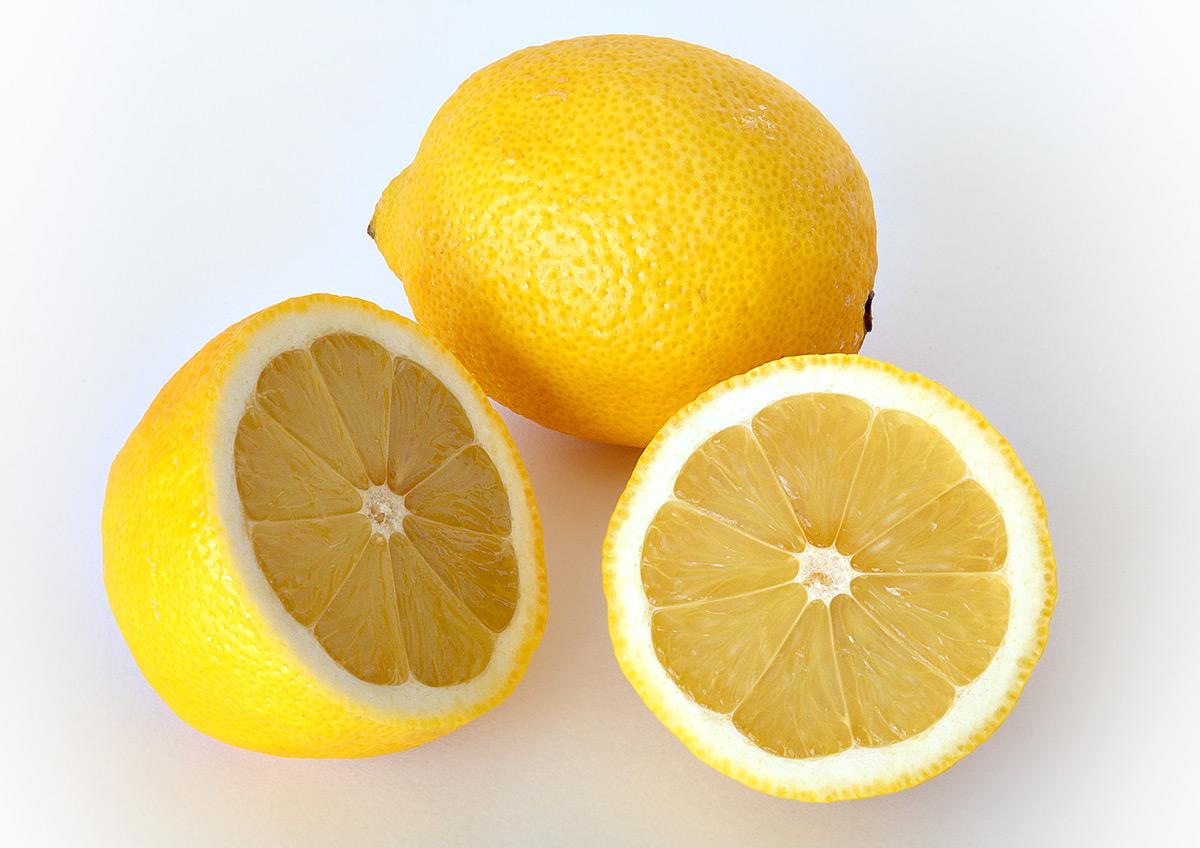
Hydration is another critical factor. Water helps the liver flush out toxins and supports kidney function, which works in tandem with the liver to eliminate waste. Aim for at least eight glasses of water daily, and consider adding lemon or cucumber for a boost of flavor and antioxidants. "I used to struggle with fatigue and bloating," says James Otieno, a 38-year-old teacher from Kisumu who overhauled his lifestyle after a routine checkup revealed elevated liver enzymes. "Drinking more water and cutting out sodas made a huge difference. I feel lighter and more energetic now."
Alcohol is one of the liver's biggest adversaries. Even moderate drinking can cause inflammation and fat buildup over time. For those who consume alcohol, moderation is key. The liver can process about one standard drink per hour, and exceeding this can overwhelm its detoxification capacity. For women, guidelines suggest no more than one drink per day, and for men, no more than two. "People often underestimate how much they drink," says Dr. Okoth. "A glass of wine here and there adds up, especially if you're not giving your liver time to recover." For those with liver concerns, abstaining entirely may be the best approach, particularly for individuals with conditions like hepatitis or cirrhosis.
Exercise is another powerful tool for liver health. Physical activity improves insulin sensitivity, reduces liver fat, and enhances circulation, all of which support the liver's functions. Aerobic exercises like jogging, cycling, or swimming are particularly effective, as they increase oxygen flow and help burn triglycerides, a type of fat that can accumulate in the liver. Strength training also plays a role by building muscle, which boosts metabolism and reduces the liver's workload. "I started walking 30 minutes a day, and it was a game-changer," says Otieno. "I didn't realize how much sitting all day was affecting my health until I started moving."
Sleep, often underestimated, is equally vital. Poor sleep disrupts the body's circadian rhythms, which can impair liver function and increase inflammation. Aim for seven to nine hours of quality sleep per night, and maintain a consistent sleep schedule. "Sleep is when the liver does a lot of its repair work," explains Dr. Okoth. "Skimping on rest is like asking your liver to run a marathon without training." Creating a bedtime routine, limiting screen time, and avoiding heavy meals before bed can improve sleep quality and, by extension, liver health.
Stress management is another piece of the puzzle. Chronic stress elevates cortisol levels, which can lead to inflammation and fat storage in the liver. Practices like yoga, meditation, and deep breathing can reduce stress and support overall health. "I started meditating for 10 minutes a day, and it was like hitting a reset button," says Wambui's client, Esther Njoroge, a 45-year-old businesswoman from Nairobi. "My energy levels improved, and my doctor noticed better liver function at my last checkup."
Certain supplements, like milk thistle and turmeric, have gained attention for their potential liver benefits. Milk thistle contains silymarin, a compound with antioxidant and anti-inflammatory properties, while turmeric's active ingredient, curcumin, may reduce liver inflammation. However, experts caution against relying solely on supplements. "They're not a magic bullet," says Wambui. "A balanced diet and lifestyle changes are far more effective than popping pills." Always consult a healthcare provider before starting supplements, as they can interact with medications or exacerbate certain conditions.
Environmental toxins also pose a threat to liver health. Chemicals in cleaning products, pesticides, and plastics can accumulate in the body, taxing the liver. Opt for natural cleaning products, choose organic produce when possible, and avoid heating food in plastic containers. "Small changes, like using glass instead of plastic for food storage, can reduce your liver's toxin load," says Dr. Okoth. Regular checkups are also essential, as liver issues often develop silently. Blood tests can measure liver enzymes, and imaging like ultrasounds can detect fat buildup or scarring.
For those already diagnosed with liver conditions, lifestyle changes can still make a significant impact. "I was diagnosed with NAFLD two years ago," says Njoroge. "My doctor put me on a low-sugar diet and encouraged me to exercise. It wasn't easy, but my liver fat levels dropped significantly, and I feel better than I have in years." Even in advanced cases, such as early-stage cirrhosis, quitting alcohol, eating nutrient-dense foods, and staying active can slow disease progression and improve quality of life.
Community support can also play a role. In Kenya, organizations like the Kenya Liver Foundation offer resources and support groups for those looking to improve liver health. "Talking to others who are on the same journey helped me stay motivated," says Otieno. "It's a reminder that you're not alone." These groups often provide education on nutrition, exercise, and stress management, creating a holistic approach to liver care.
Ultimately, taking care of your liver is about balance and consistency. Small, sustainable changes—eating more vegetables, drinking less alcohol, moving your body, and getting enough rest—can yield profound results over time. "The liver is incredibly resilient," says Dr. Okoth. "Give it the support it needs, and it will reward you with better health." By prioritizing these habits, you can protect this vital organ and enhance your overall well-being.