Shine Bet Ads
  • Fri, Apr 2026

CALEB MUSYOKI CBS

CALEB MUSYOKI CBS

This article explores how the Kalenjin community traditionally built wealth through livestock keeping, farming, craftsmanship, barter trade, and communal cooperation. It highlights the economic wisdom, cultural values, and survival strategies that sustained generations long before modern money systems, showing how tradition shaped prosperity and social status.

Long before modern banking, salaries, and formal businesses, the Kalenjin community had an organized economic system rooted in land, livestock, skills, and communal cooperation. Wealth was not only measured in possessions but also in influence, generosity, and the ability to sustain one’s family and clan.

Below are some of the key traditional ways through which the Kalenjin people generated and preserved wealth.

1. Livestock Keeping – The Backbone of Wealth

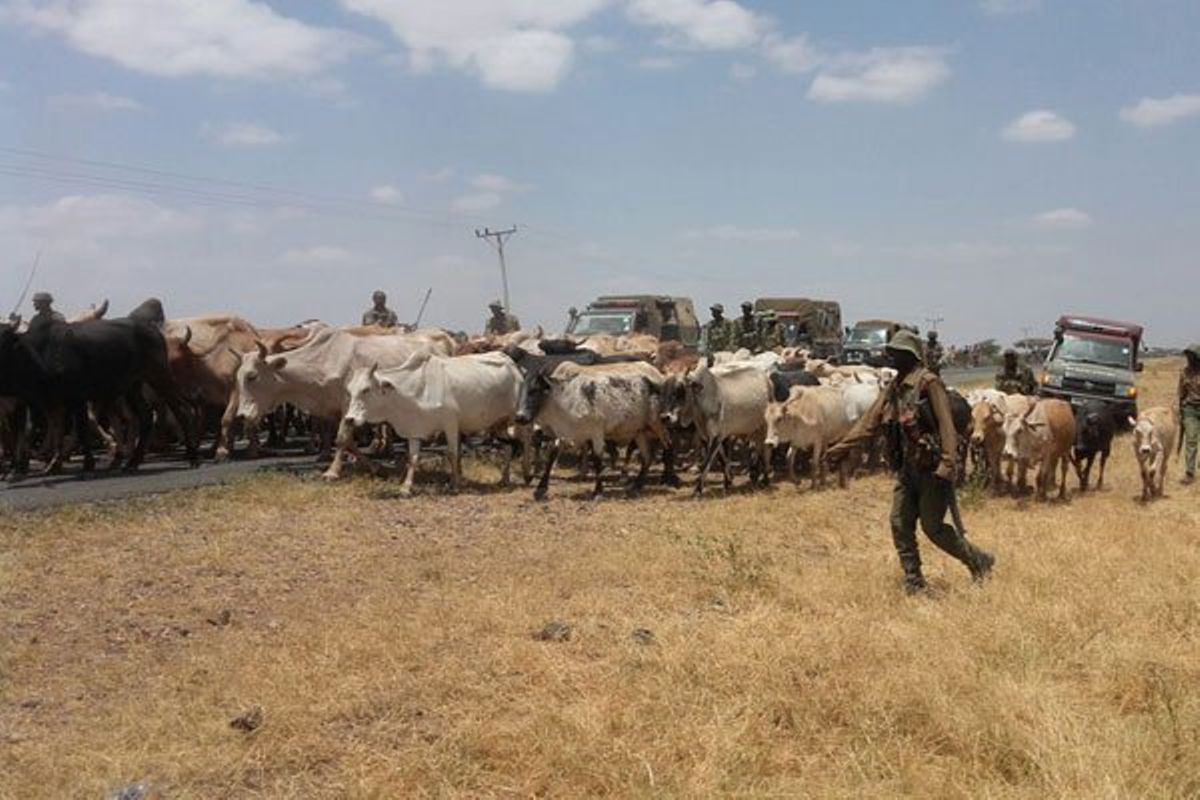
https://images.hivisasa.com/1200/CZ6nO7YFyICOWS.jpg
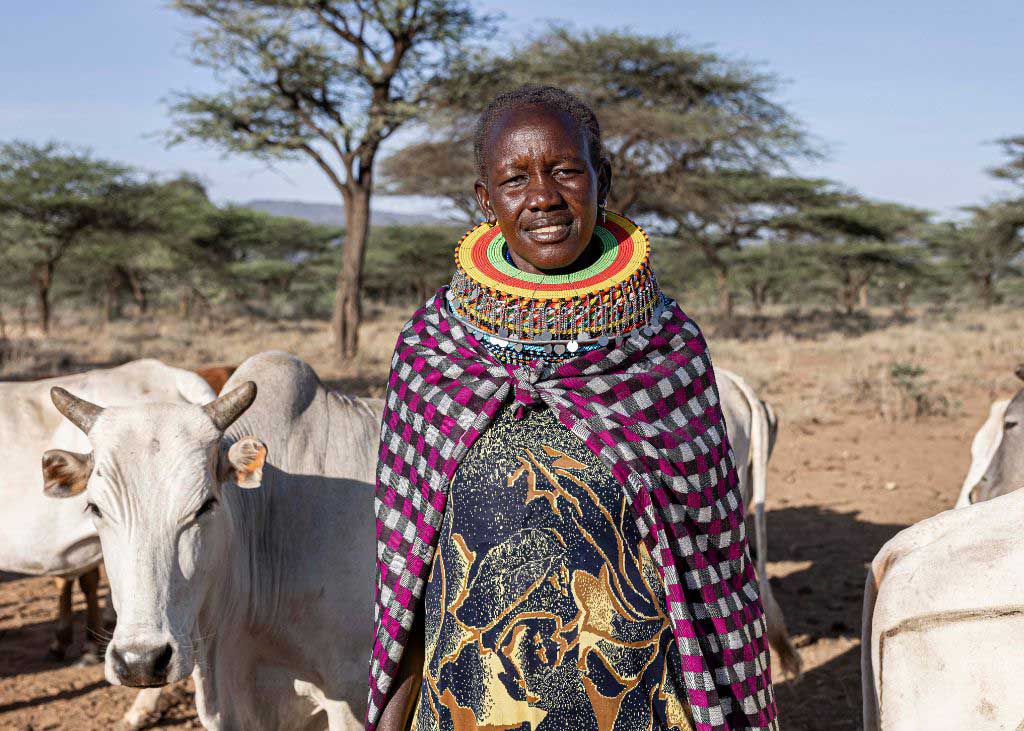
https://www.zoetis.com/our-company/zoetis-foundation/foundation-news/easset_upload_file53103_1468285_e.jpg
https://www.wvi.org/sites/default/files/inline-images/Sorghum%20Farming%20-%20Picture%204.jpg
4
 

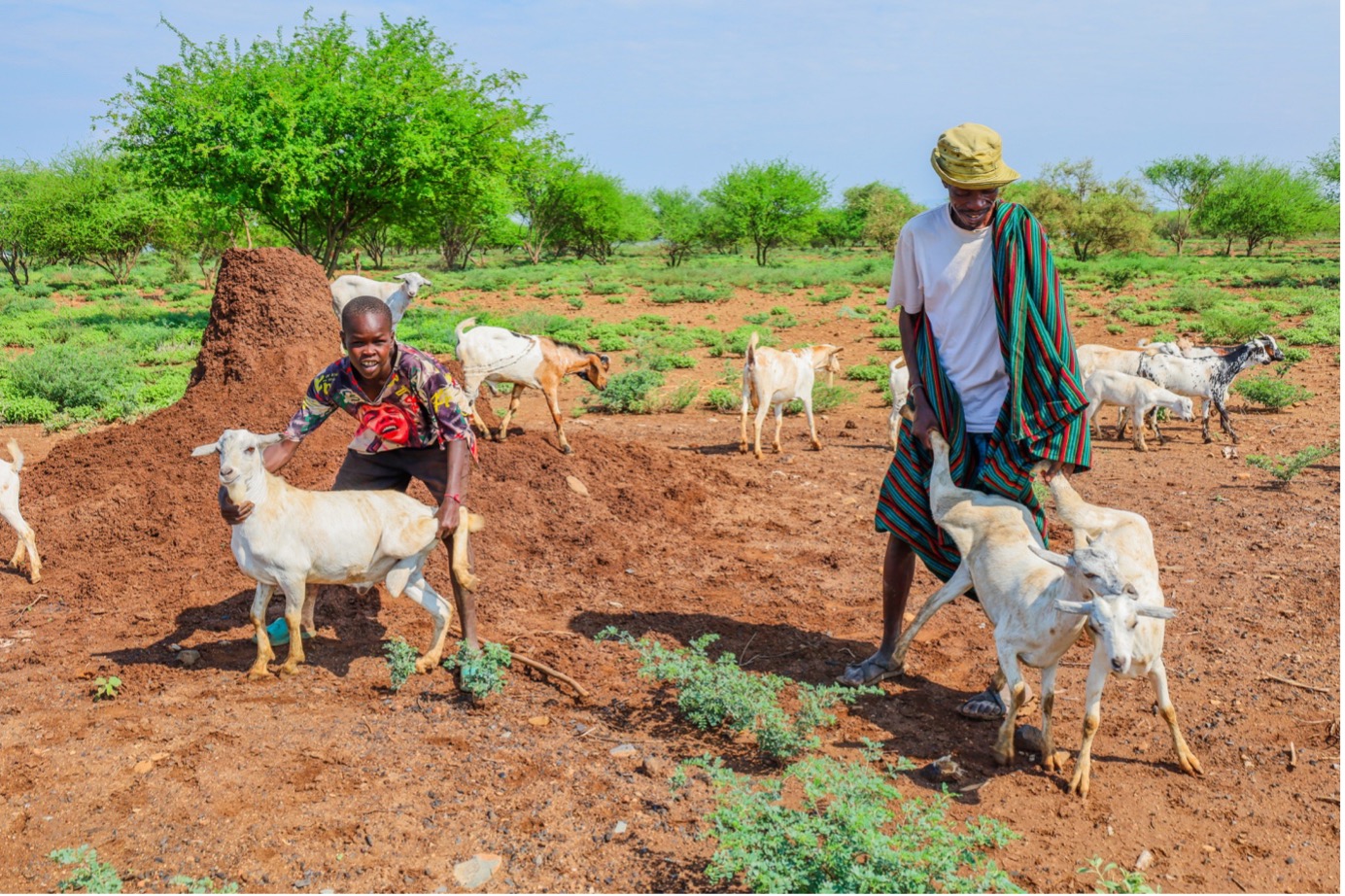
Livestock was the most important form of wealth in traditional Kalenjin society. Families kept:

  • Cattle

  • Goats and sheep

  • Occasionally donkeys

Cows symbolized status and prosperity. A man with many cattle was considered wealthy and respected. Livestock served several economic purposes:

  • Bride price (dowry): Cows were paid to secure marriage.

  • Trade: Animals were exchanged for grain, tools, or other goods.

  • Food production: Milk, meat, and blood supported households.

Wealthy families often loaned animals to relatives or neighbors, strengthening social bonds and influence.


2. Crop Farming and Granary Storage

https://alliancebioversityciat.org/sites/default/files/styles/1920_scale/public/images/gathering-data-and-info_bfn_kenya_d.hunter.jpg?itok=z81zPlKJ
https://cdn.standardmedia.co.ke/images/wysiwyg/images/eM4qoVGHJXQlOwCtmNIW519CQOTsyS3iz1PnjyEb.jpg
https://www.researchgate.net/publication/306311640/figure/fig4/AS%3A396896603525123%401471638932627/Farmers-traditional-granary-for-grain-storage.png
4
 

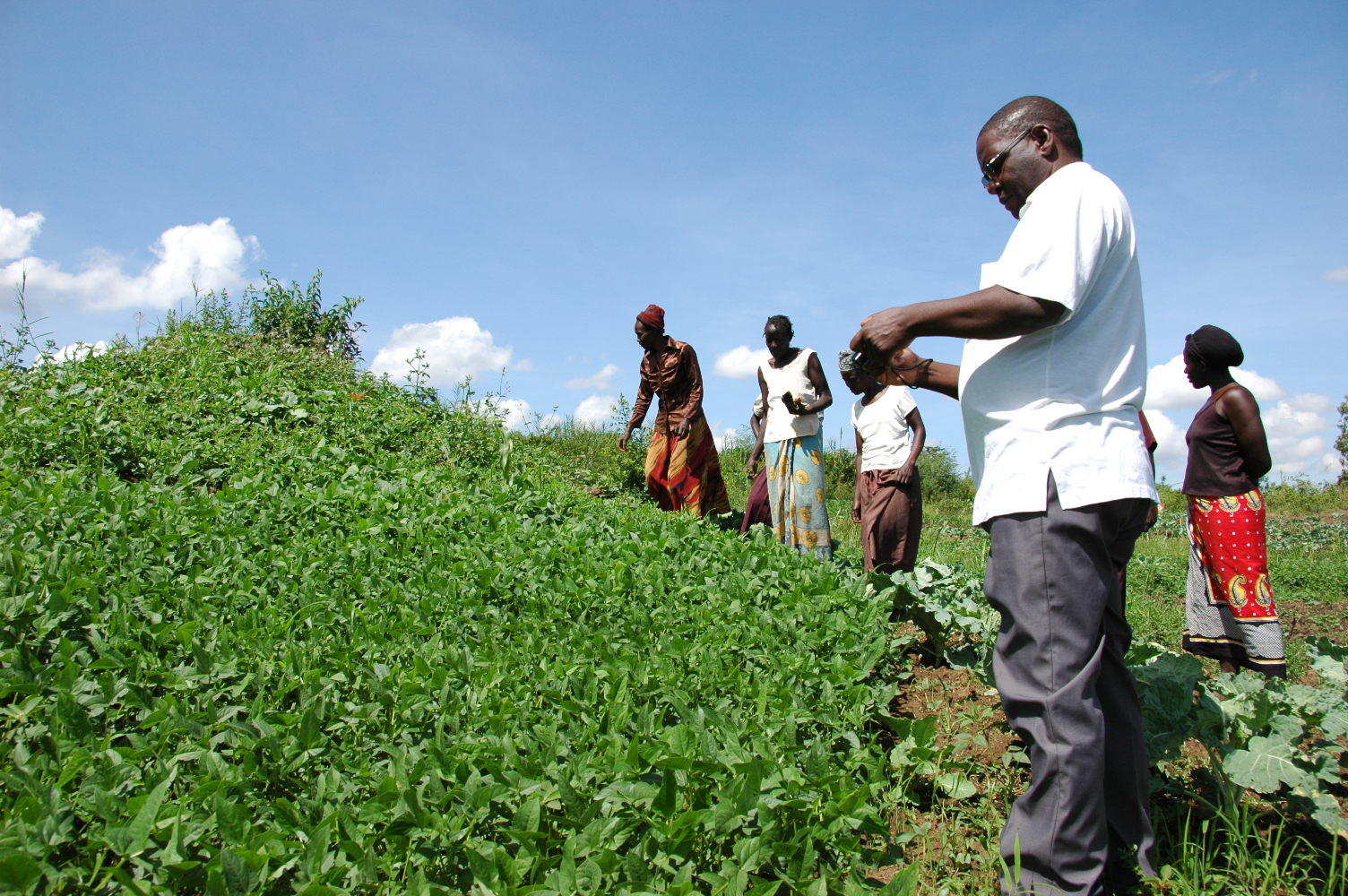
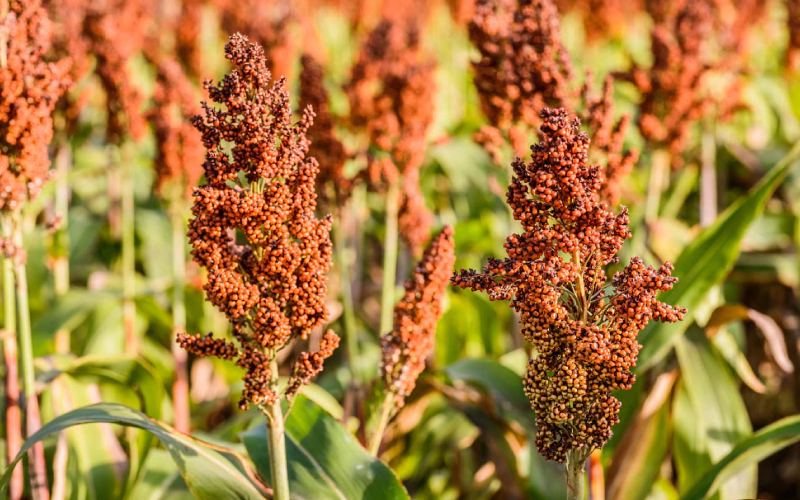
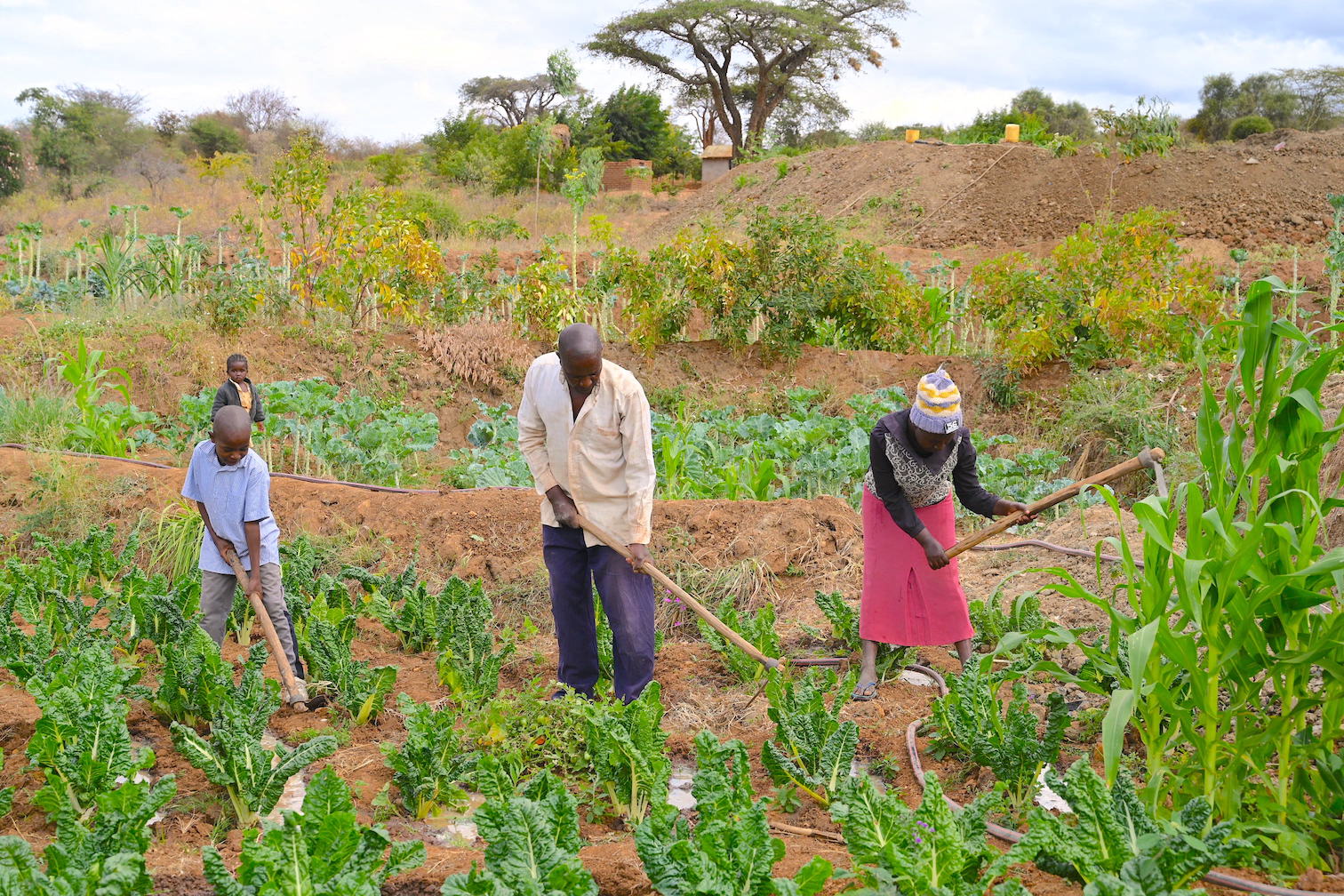
Besides pastoralism, many Kalenjin groups practiced farming. Common crops included:

  • Sorghum

  • Millet

  • Maize

  • Beans and vegetables

Harvested grain was stored in traditional granaries for long-term use. A household with full granaries was considered secure and prosperous.

Surplus crops were:

  • Exchanged for livestock

  • Used in barter trade

  • Shared during communal ceremonies

Good harvests elevated a family’s standing within the community.


3. Hunting, Gathering, and Honey Harvesting

https://upload.wikimedia.org/wikipedia/commons/7/7f/2015-06-15_Maasai_guide_shoots_a_traditional_hunting_bow_and_arrow_during_a_walking_safari%2C_Ol_Kinyei_Conservancy_in_the_Maasai_Mara%2C_Kenya_0035.jpg
https://media.springernature.com/lw685/springer-static/image/art%3A10.1038%2Fs41467-021-22425-4/MediaObjects/41467_2021_22425_Fig6_HTML.png
https://www.researchgate.net/publication/329170880/figure/fig5/AS%3A696612166852611%401543096691668/Beekeeper-showing-a-traditional-honey-bee-hive-made-from-grass-and-mud-placed-in-a-tree.ppm
4
 

Men hunted wild animals for meat and skins, while women and youth gathered wild fruits, roots, and medicinal herbs.

Honey harvesting was especially valuable:

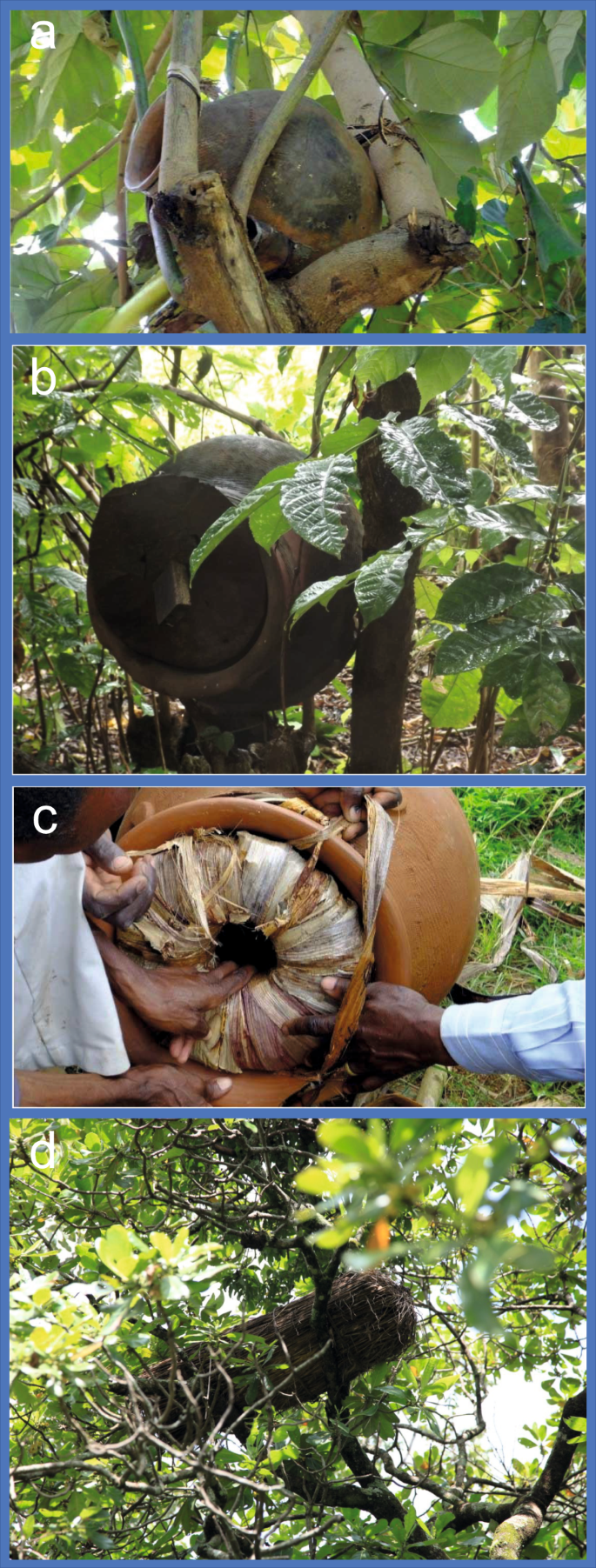
  • Used as food and medicine

  • Fermented to make traditional brews

  • Traded with neighboring communities

Skins were used for clothing and bedding or exchanged for grain and tools.


4. Blacksmithing and Craftsmanship

https://th-thumbnailer.cdn-si-edu.com/fw3og_Ps8aRcNvvIWmr6TO33qZk%3D/1280x1280/https%3A//tf-cmsv2-smithsonianmag-media.s3.amazonaws.com/filer/f9/c2/f9c2bcc7-2c77-4ed1-879c-516962bd44bd/tom-joyce-kao-kossi-forge-tchare-togo-9.jpg
https://www.africancraftsmarket.com/images/Masai-spear-Kenya.jpg
https://images.squarespace-cdn.com/content/v1/58933bb2e3df28b756717818/1488290851878-63P6CLIMOVKUVMIRWTVV/1Handicrafts%2Bfrom%2Bsouth%2Beastern%2Bkenya.jpg
4
 

Skilled artisans played an essential economic role. Blacksmiths produced:

  • Spears

  • Knives

  • Hoes

  • Arrowheads

Other craftsmen made:

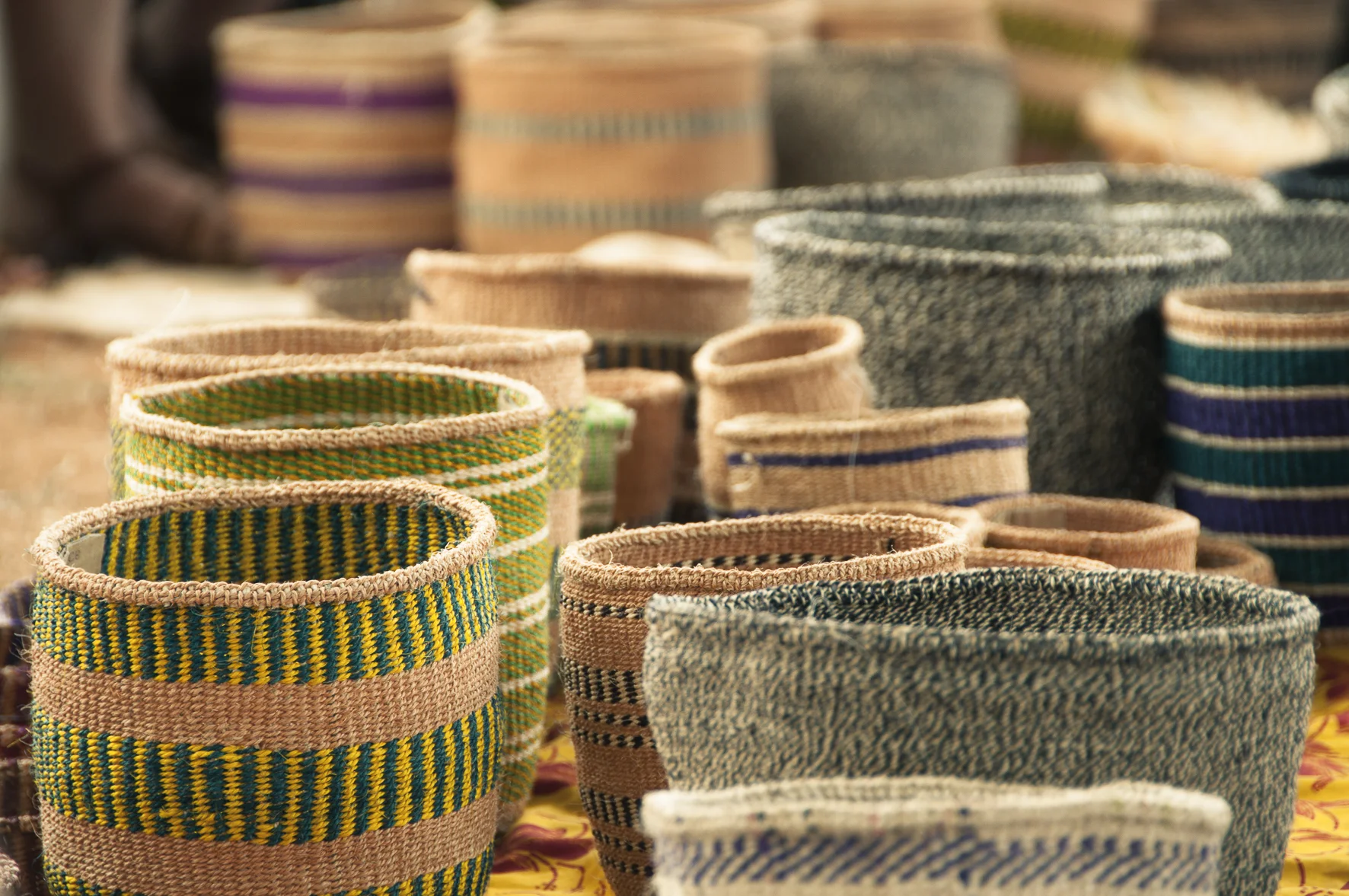
  • Baskets

  • Pots

  • Beaded ornaments

These items were traded for livestock, food, or other goods. Craftsmanship allowed families without large herds to build wealth through skill.


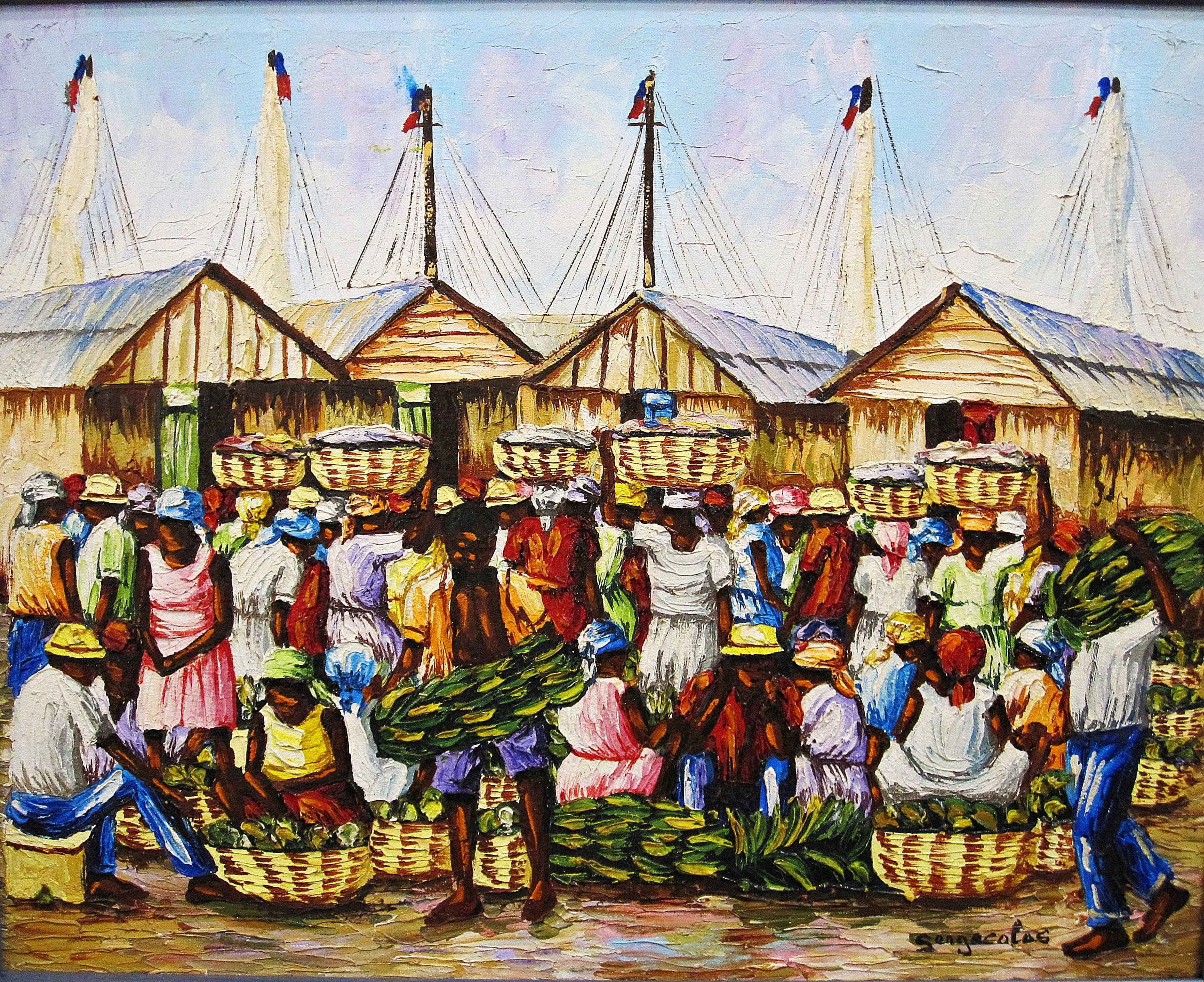
5. Barter Trade and Inter-Community Exchange

https://www.africaw.com/images/slavery-plantation.jpg
https://i.etsystatic.com/7910490/r/il/a36ed5/3515201424/il_fullxfull.3515201424_lwpw.jpg
https://upload.wikimedia.org/wikipedia/commons/5/54/View_of_Village_Market.JPG
4
 

Money was not used. Instead, people exchanged goods and services:

  • Grain for livestock

  • Honey for tools

  • Meat for pottery

Trade routes connected the Kalenjin with neighboring communities, allowing access to salt, iron tools, and other scarce resources.


6. Communal Labor and Wealth Sharing

https://images.theconversation.com/files/408874/original/file-20210629-28-rtys0b.jpeg?auto=format&fit=crop&h=668&ixlib=rb-4.1.0&q=45&w=1356
https://miro.medium.com/v2/resize%3Afit%3A1050/1%2AUS5YrEREgxf0vILSKnc0ew.jpeg
https://www.wvi.org/sites/default/files/inline-images/DSC_2103%20copy.jpg
4
 

Hard work and cooperation were cultural values. Communities organized collective labor for:

  • Planting and harvesting

  • Building homesteads

  • Herding livestock

Wealth was respected when it benefited others. Generosity increased a person’s honor and influence, often leading to leadership roles.