Tatu City, the pioneering mixed-use special economic zone in Kiambu County, has unveiled plans to establish a Sh342.53 million wildlife sanctuary as part of its long-term strategy to integrate conservation, biodiversity protection and sustainable urban growth.
The proposed sanctuary, to be developed on a designated portion of the 5,000-acre master-planned development, will serve as a protected habitat for indigenous wildlife species while offering eco-tourism, environmental education and research opportunities. The initiative is being positioned as a model for balancing rapid urbanisation with ecological preservation in one of Kenya’s fastest-growing peri-urban corridors.
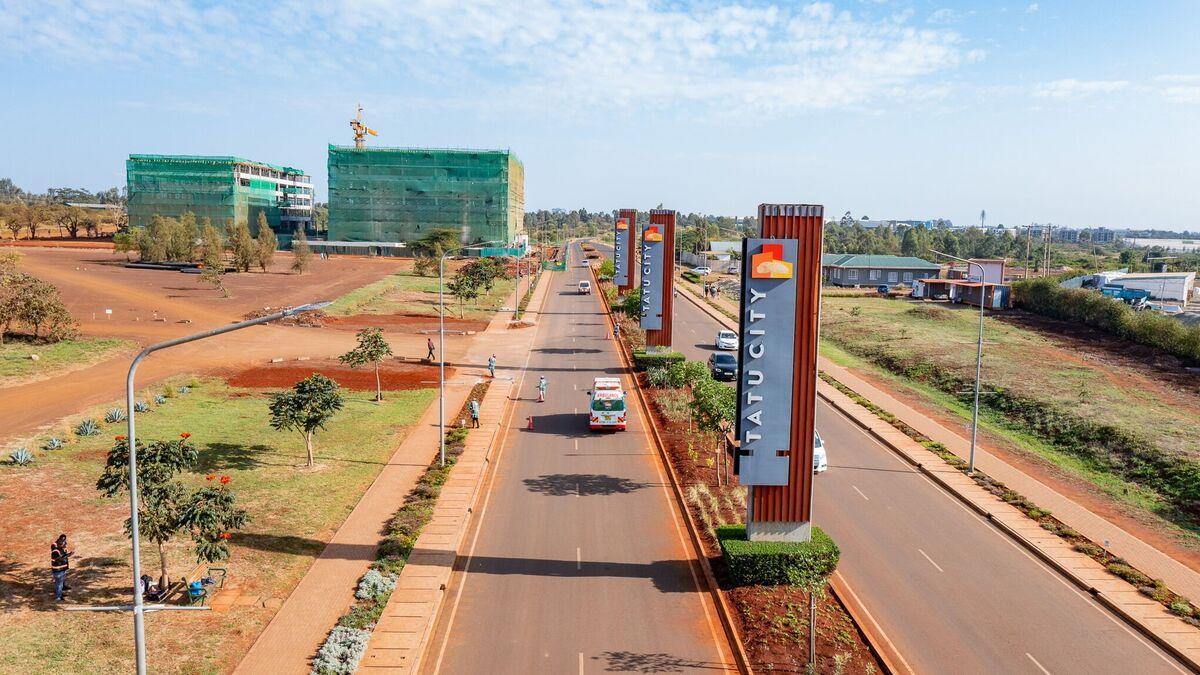
Tatu City CEO Mark Muyoti described the project as a natural evolution of the city’s sustainability agenda. “Tatu City has always been designed as a live-work-play community that respects the environment,” Muyoti said. “This wildlife sanctuary is not an add-on; it is a core component of our vision. By investing Sh342.53 million, we are creating a lasting green lung for the region, protecting biodiversity, and giving residents and visitors a unique nature experience right within a modern urban setting.”
The sanctuary will cover approximately 200 acres and feature carefully curated habitats for species native to the central Kenya highlands, including various antelope, smaller predators, birds and reptiles. Infrastructure will include perimeter fencing, water points, observation towers, eco-trails, an education centre, ranger posts and a small visitor reception area designed to minimise ecological disruption.
Muyoti explained that the project aligns with Kenya’s national goals under Vision 2030 and the National Climate Change Action Plan. “We are working closely with the Kenya Wildlife Service, the National Environment Management Authority and local communities to ensure the sanctuary meets global conservation standards while delivering economic benefits,” he said. “It will create jobs for rangers, guides, educators and support staff, and generate revenue through low-impact eco-tourism.”
The development comes at a time when Kiambu County is experiencing intense pressure from population growth, real estate expansion and industrial activity along the Nairobi–Thika corridor. Tatu City, which already hosts residential estates, commercial zones, schools, hospitals and light manufacturing, has consistently emphasised green infrastructure—tree-lined boulevards, parks, wetlands preservation and rainwater harvesting.
Environmentalists welcomed the announcement but called for rigorous safeguards. Kenya Wildlife Conservancies Association chairperson Dickson Kaelo said: “Any new sanctuary is a positive step, but it must be managed professionally with clear biodiversity baselines, anti-poaching measures and community involvement. We look forward to seeing the environmental impact assessment and management plan.”
The project is expected to break ground in mid-2026, with completion targeted for 2028. Funding will come from Tatu City’s internal capital, private investors and potential grants from conservation partners. The sanctuary will be managed under a public-private partnership model involving Tatu City, KWS and local conservancy groups.
Residents of Tatu City and surrounding areas have expressed excitement about the prospect of having a protected wildlife area nearby. “It’s amazing to think we’ll have a real sanctuary just minutes from home,” said Esther Wanjiku, a Tatu City homeowner. “Our children will grow up seeing animals in a natural setting instead of only on television.”
The initiative also responds to growing demand for sustainable real estate. Developers report that eco-friendly features—green spaces, wildlife corridors and conservation areas—are increasingly influencing buyer decisions in Kenya’s premium property market.
Tatu City’s broader sustainability efforts include a 1,000-acre forest reserve, solar-powered street lighting, water recycling plants and electric vehicle charging infrastructure. The wildlife sanctuary is expected to become a flagship feature, reinforcing the city’s positioning as Kenya’s leading green urban development.
As Kenya balances economic growth with environmental protection, projects like Tatu City’s sanctuary are being watched closely as potential models for future mixed-use zones.