By Brenda Wereh24 Jun, 202530 mins read 2,407 views
0 comments
An in-depth report on the successful recapture of Sabiid and Anole villages in southern Somalia from al-Shabab by the Somali National Armed Forces and African Union Support and Stabilization Mission in Somalia during the three-day Operation Silent Storm.
In a significant blow to al-Shabab’s grip on southern Somalia, the Somali National Armed Forces (SNAF), in collaboration with the African Union Support and Stabilization Mission in Somalia (AUSSOM), recaptured the strategic villages of Sabiid and Anole in the Lower Shabelle region on June 21, 2025. The three-day offensive, codenamed Operation Silent Storm, dismantled key militant hubs used for planning attacks, concealing weapons, and extorting local communities. Announced on June 23 in Mogadishu, the operation marks a critical step in Somalia’s ongoing campaign to degrade the al-Qaeda-linked insurgency and restore government control in areas long plagued by terrorist activity. With allied forces now securing the liberated villages, the operation underscores a renewed commitment to the Somalia Transition Plan, which aims to transfer security responsibilities to Somali forces by December 2024.
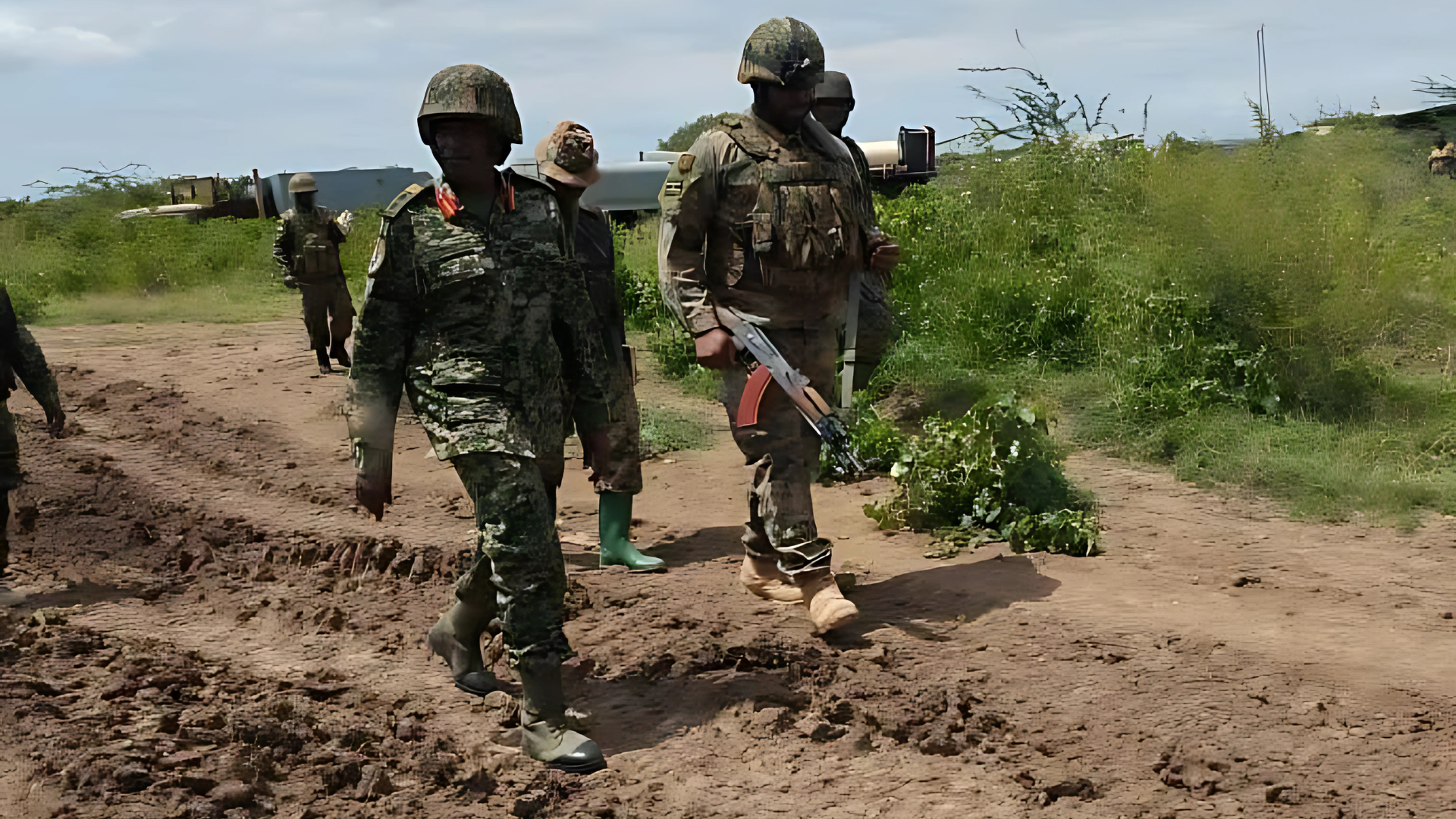
The villages of Sabiid and Anole, located approximately 30 kilometers southwest of Mogadishu in the Afgooye District, had become operational nerve centers for al-Shabab since March 2025. “These towns were strategic locations where terrorists planned deadly attacks, hid ammunition, and set up illegal checkpoints to extort civilians,” said AUSSOM Sector One Commander Brigadier General Joseph Ssemwanga during a press briefing in Mogadishu. The militants’ control over these areas enabled them to stage vehicle-borne improvised explosive device (VBIED) attacks and disrupt supply routes critical to the capital’s security. Operation Silent Storm, launched on June 18, aimed to neutralize these threats through a coordinated combined-arms assault involving Ugandan AUSSOM troops and Somali special forces units, including the U.S.-trained Danab Brigade.
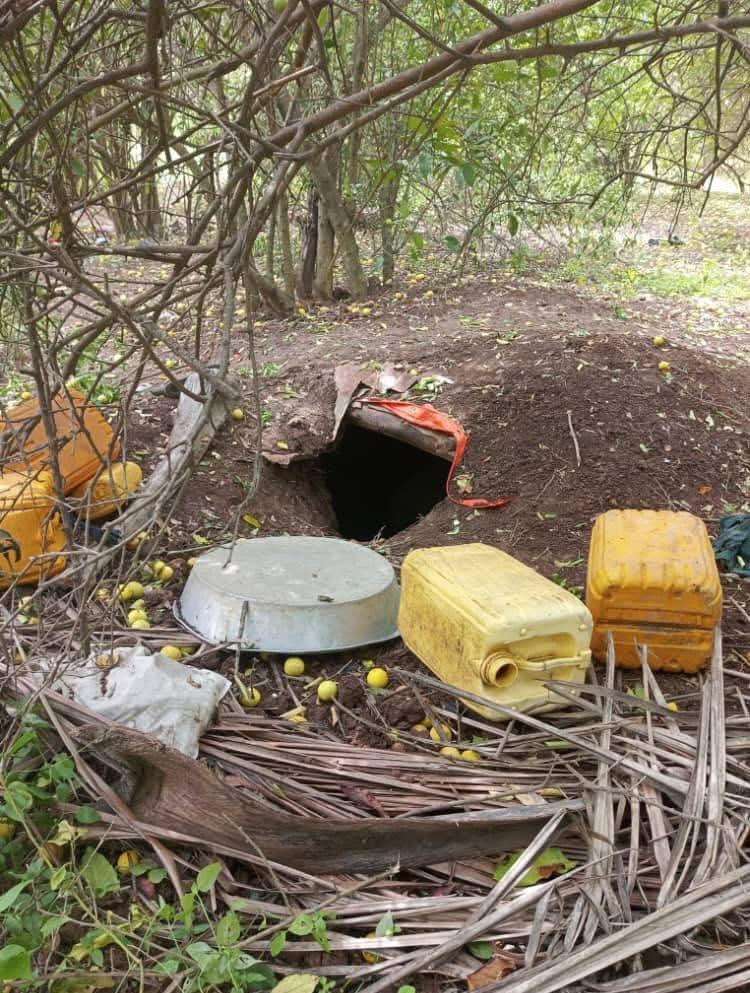
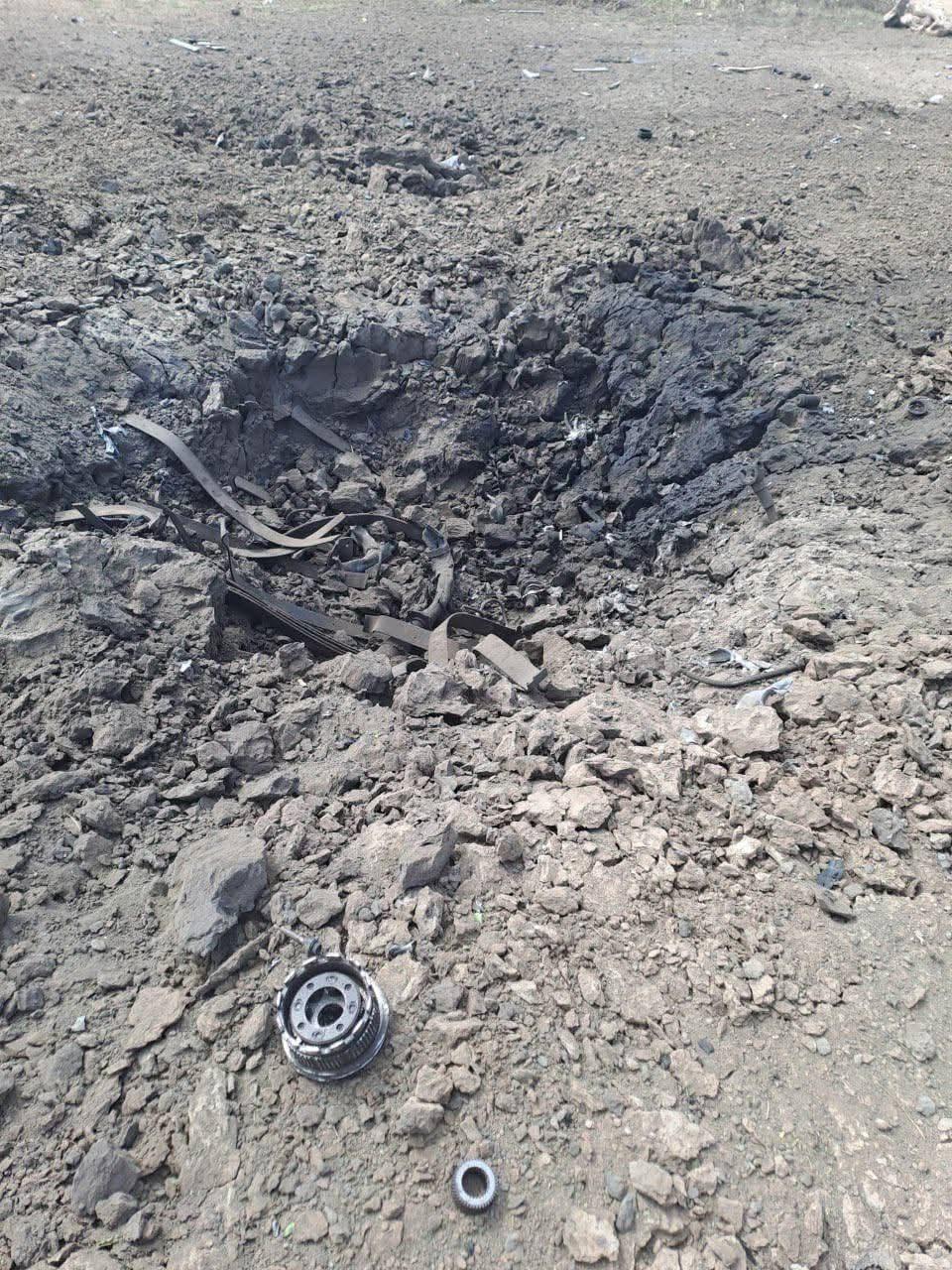
The operation began with intelligence-driven reconnaissance, pinpointing al-Shabab’s hideouts and underground tunnels in Sabiid and Anole. “We knew exactly where they were entrenched,” said Colonel Sahal Abdullahi Omar, commander of SNAF’s land forces. “Our goal was to flush them out and secure the area for civilians.” The three-day siege saw intense engagements, with allied forces eliminating 30 al-Shabab fighters, according to AUSSOM reports. UPDF teams recovered a cache of weapons, including AK-47s, RPGs, and materials for IEDs, while dismantling numerous explosives planted along community roads. “The bravery of our troops was exceptional,” said AUSSOM Force Commander Lieutenant General Sam Kavuma. “This operation has significantly degraded al-Shabab’s capacity in Lower Shabelle.”
The recapture of Sabiid and Anole comes at a critical juncture for Somalia, where al-Shabab remains a formidable threat despite years of counterinsurgency efforts. The group, formed in 2006 as a youth militia within the Islamic Courts Union, has controlled swathes of central and southern Somalia, exploiting clan rivalries and governance gaps to maintain its influence. In recent months, al-Shabab launched a series of attacks, including a March 20 assault on Sabiid that killed a senior SNAF official and an April 2 offensive that briefly reasserted control over the village. “They keep coming back because we haven’t held the ground long enough,” said Abdi Hassan, a local elder in Afgooye. “This time, we need the government to stay.”
Operation Silent Storm reflects a shift in strategy, prioritizing sustained presence in recaptured areas. AUSSOM and SNAF forces are now securing the villages, clearing remaining militant pockets, and engaging with local communities to rebuild trust. “We’re not just fighting al-Shabab; we’re showing people that the government can protect them,” said Omar. The operation also involved clearing IEDs from supply routes, ensuring safe passage for humanitarian aid and commerce. In Sabiid, residents reported relief at the return of government forces. “For months, we paid taxes to al-Shabab at their checkpoints,” said Fatima Ali, a market trader. “Now, we hope for peace and freedom to work.”
The success of Operation Silent Storm builds on Somalia’s broader counterinsurgency campaign, launched in August 2022 under President Hassan Sheikh Mohamud. That offensive, bolstered by clan militias known as Ma’awisley, reclaimed over 200 settlements in central Somalia by April 2023, though gains stalled due to logistical challenges and al-Shabab’s counterattacks. “The momentum we had in 2022 was hard to sustain,” said Mohamed Nur, a security analyst in Mogadishu. “But operations like Silent Storm show we’re adapting and focusing on strategic targets.” The involvement of AUSSOM, which replaced the African Union Transition Mission in Somalia (ATMIS) in February 2025, underscores the continued importance of international support, with 4,500 Ugandan troops leading efforts alongside contributions from Ethiopia, Kenya, Djibouti, and Egypt.
International partners have played a crucial role in the operation’s success. U.S. airstrikes, coordinated with the Danab Brigade, targeted al-Shabab positions in Lower Shabelle, while the Ethiopian Air Force struck militant bases in Middle Shabelle in March. “Our partners are critical to this fight,” said Somalia’s National Security Adviser Hussein Sheikh Ali. “The U.S. and AU provide the firepower and training we need to take on al-Shabab.” Turkey has also deepened its security partnership with Somalia, delivering drones and training 6,000 troops, though coordination among partners remains a challenge. “Sometimes, we’re not fully informed about Turkish operations,” said an AUSSOM official, highlighting the need for better alignment.
Despite the operation’s success, challenges loom large. Al-Shabab’s resilience, fueled by an estimated $100 million in annual revenue from extortion and illicit trade, allows it to regroup and launch retaliatory attacks. In January 2025, the group deployed 47 suicide car bombs across Somalia, including a devastating strike in Galgaduud that killed a Danab deputy commander. “They’re desperate but still dangerous,” said Nur. “We need to consolidate these gains quickly.” The Somali government’s ability to establish governance in Sabiid and Anole will be critical, as past efforts have faltered due to clan disputes and corruption. “If we don’t see services like schools or clinics, people will lose faith,” said Hassan.
The Somalia Transition Plan, set to conclude by December 2024, adds urgency to these efforts. With AUSSOM’s 11,911 personnel scheduled to draw down, the SNAF must build capacity to hold recaptured areas independently. “We’re training our forces to take over,” said Omar, noting that 2,000 new recruits joined the SNAF in Galmudug and Hirshabelle in 2024. However, logistical shortfalls and unpaid AU salaries, totaling $96 million in arrears, threaten the transition. “We can’t do this alone yet,” admitted Ali. The government has also called for the lifting of a 1992 arms embargo to bolster its arsenal, a request under review by the UN Security Council.
Local engagement is another priority. In Afgooye, SNAF and AUSSOM have met with clan elders to address grievances exploited by al-Shabab. “We want reconciliation, not revenge,” said elder Hassan, who urged the government to invest in youth employment to deter militant recruitment. The operation’s success has also boosted morale among SNAF troops, who faced setbacks in Wargaadhi and Adan Yabaal earlier in 2025. “This victory shows we can win,” said Captain Ahmed Yusuf, a Danab officer in Sabiid. “But we must keep the pressure on.”
The broader context of Somalia’s fight against al-Shabab remains complex. The group’s southern strongholds, including Jilib and Buale, remain intact, and its ability to infiltrate rural areas persists. “Al-Shabab thrives where the government is absent,” said Nur. The 2025 Shabelle offensive, launched by al-Shabab in February, briefly brought militants within 50 kilometers of Mogadishu, raising fears of an attack on the capital. Operation Silent Storm’s success offers a counterpoint, but sustained efforts are needed to prevent al-Shabab from exploiting gaps in government control.
As Somalia looks to the future, Operation Silent Storm represents a beacon of hope in a decades-long conflict. The recapture of Sabiid and Anole has weakened al-Shabab’s operational capacity near Mogadishu, but the road to lasting stability is fraught with challenges. “This is a step forward, not the end,” said Kavuma. For residents of Lower Shabelle, the operation offers a chance to rebuild lives free from militant oppression. “We want our children to grow up in peace,” said Ali. With continued international support and local cooperation, Somalia’s fight against al-Shabab may yet turn the tide toward a more secure future.
Former Kiambu Governor Ferdinand Waititu has secured a major bail reprieve from the High Court, with Justice Winfrida Okwany reducing his bail from Sh53.5 million to Sh20 million cash pending appeal in his ongoing corruption case.
President Ruto and Governor Sakaja signed a cooperation agreement allocating funds for 50,000 new streetlights, water plants saving 50 million litres daily, 27 km Nairobi River sewer and ward road upgrades, with Ruto calling it a partnership to make the city livable while opposition senators warn of devolution threats.
A staff member at Moi Teaching and Referral Hospital allegedly stole Sh10 million by falsifying patient bills as paid in the eCitizen system while diverting the money to her personal account, prompting an ongoing police and hospital investigation.