A pivotal moment in Kenya’s governance and social welfare landscape unfolded this morning, Wednesday, July 30, 2025, as President William Ruto assented to two significant pieces of legislation at State House, Nairobi, at 9:00 AM East Africa Time. The Conflict of Interest Bill, 2023, and the Social Protection Bill, 2025, received presidential approval, marking a step toward enhanced public accountability and a redefined approach to social assistance. The ceremonies, attended by cabinet secretaries and legislative leaders, underscored the government’s commitment to tackling corruption and supporting vulnerable populations. “These laws will strengthen our fight against graft and ensure support reaches those who need it most,” Ruto said, addressing the gathered officials. The announcements have sparked a wave of reactions across the nation, with citizens and analysts assessing the implications.
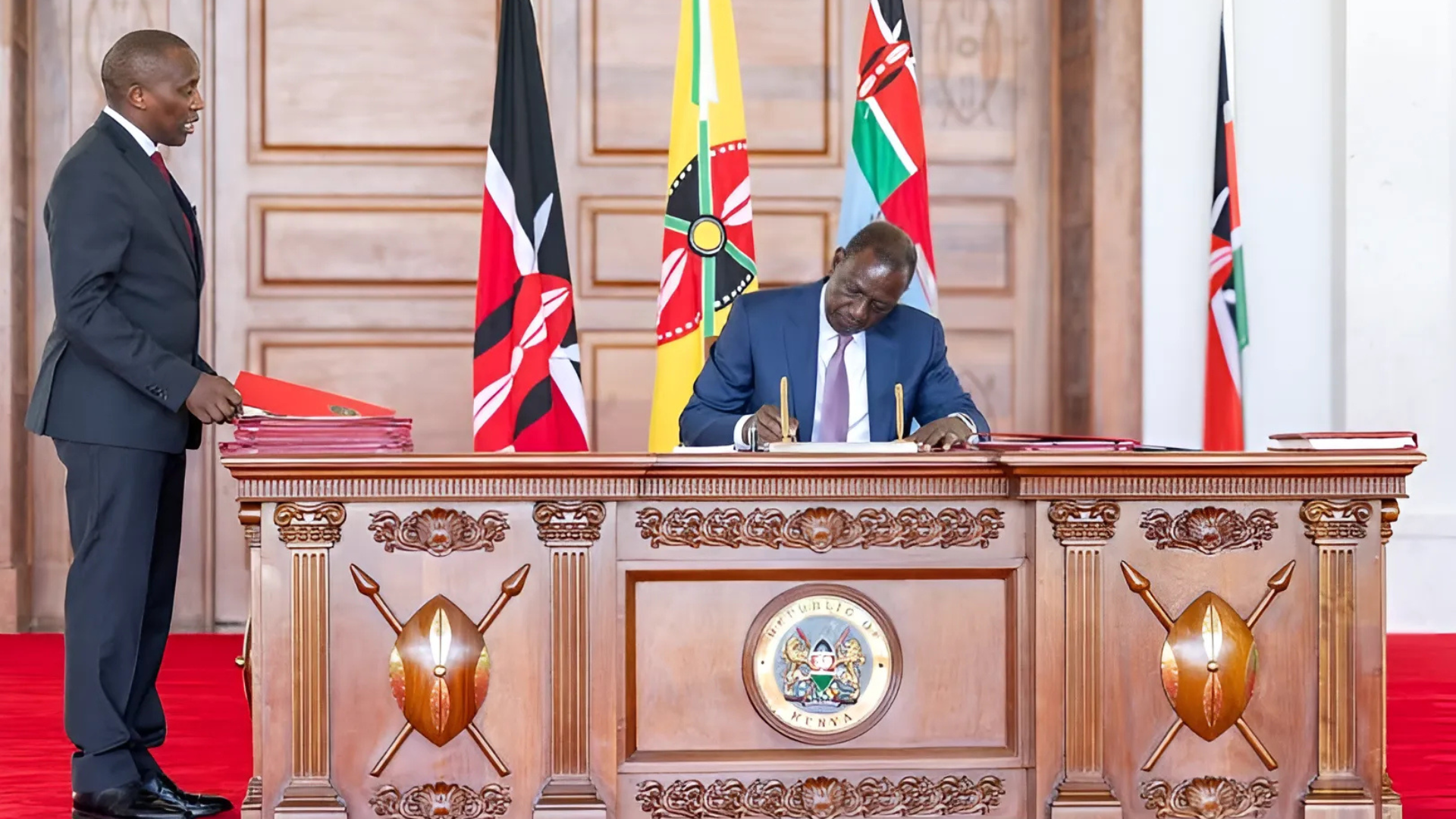
The Conflict of Interest Bill, 2023, introduces stringent measures to regulate civil servants’ conduct, requiring them to submit annual declarations of their personal, family, and business interests to the Ethics and Anti-Corruption Commission (EACC). The legislation prohibits using public office for personal gain, mandates recusal from decisions where conflicts arise, and imposes severe penalties—fines up to KSh 5 million or imprisonment for up to five years—for violations. The move targets longstanding concerns about officials exploiting their positions, a issue highlighted by recent public outcry over unexplained wealth. A shopkeeper in Mombasa, packing goods, remarked, “If this works, maybe we’ll see less corruption in our leaders.” The bill’s passage follows months of debate, with its provisions aimed at aligning Kenya’s public sector with international anti-corruption standards.
Public response has been mixed, reflecting both hope and skepticism. In Kisumu, a teacher preparing lessons listened to the radio, saying, “Declaring interests could clean up government if enforced well.” In Nakuru, a farmer tending his fields expressed caution. “Will they really jail someone powerful?” he asked, pausing to wipe sweat from his brow. The EACC is tasked with overseeing compliance, with plans to establish a digital portal for submissions by year-end. The ban on using office for gain extends to contracts and tenders, requiring officials to step aside from decisions benefiting themselves or their relatives. A youth leader in Naivasha, organizing a community forum, added, “This could change how we trust our leaders, but we need to see action.”
The Social Protection Bill, 2025, brings a significant shift in eligibility for social assistance, removing unemployed individuals, widows, and widowers from the category of those deemed in need. Instead, it introduces new groups—persons affected by shocks such as natural disasters or economic crises, and those in extreme poverty—as eligible recipients. The change aims to target aid more precisely, aligning with fiscal constraints amid a Sh10 trillion public debt and 5.5% inflation. Ruto emphasized the intent during the assent, stating, “We must focus resources where the need is greatest, not spread them too thin.” A mother in Nyeri, feeding her children, said, “I’m a widow, but if it helps those in deeper trouble, I understand,” as she cleared the table.
The morning’s events drew a diverse crowd to State House. In Thika, a father waiting at a clinic said, “My unemployed son won’t get aid now, but maybe this will push him to work.” In Baringo, a herder tending cattle heard a broadcast, noting, “Shocks like drought hit us hard; this could help.” The bill defines extreme poverty as households earning below KSh 2,500 monthly, with shocks including floods, droughts, or sudden job losses. The SHA, recently recruiting senior staff, will administer the new framework, shifting from broad cash transfers to targeted interventions like food vouchers or emergency relief. A health worker in Kisii, coordinating a vaccination drive, added, “This could save lives if they act fast during crises.”
As the day progressed, the news spread to remote areas. In Marsabit, a herder listening to a radio update said, “Extreme poverty is real here; we need that support.” In Mombasa’s markets, a vendor packing fish asked, “What about widows like my neighbor who struggle daily?” The government plans a public awareness campaign, including SMS alerts, to explain the changes, with implementation set to begin January 2026 after a transition period. The exclusion of the unemployed has raised concerns about youth support, though officials argue it encourages self-reliance. A community organizer in Turkana, planning a radio talk, remarked, “We need clear rules so no one is left behind.”
The afternoon brought reflection across offices and homes. In Eldoret, a public servant preparing a report said, “The conflict bill could clean up corruption if the EACC is strong.” In Kisumu, a mother checking on her family added, “But losing widow aid worries me.” The Conflict of Interest Bill’s recusal requirement aims to prevent conflicts in procurement, a sector plagued by scandals, while the social protection shift responds to budget cuts following the 2024 Finance Bill withdrawal. A lawyer in Nairobi, discussing over tea, noted, “These laws test our system’s ability to enforce and adapt.” The fines and jail terms signal a tough stance, though enforcement history tempers optimism.
Economic pressures shape the context, with the Treasury seeking efficiency amid rising costs. The social protection redefinition targets an estimated 3.5 million people in extreme poverty and those hit by shocks, down from 6 million under the old criteria. A vendor in Timau, closing his stall, said, “If it helps during floods, it’s worth it.” The conflict bill’s annual declarations will be public, a move to enhance transparency, though privacy advocates worry about data security. A father in Nyahururu, walking home with his family, added, “We need to see leaders declare honestly.” The laws’ success hinges on implementation, a challenge given past compliance issues.
The evening saw continued engagement nationwide. In Nakuru, a group at a market debated the news. “Will KSh 5 million fines stop corruption?” one trader asked, sorting vegetables. In Nairobi’s cyber cafes, a student scrolling through updates noted, “People are talking about who loses aid.” The EACC plans training for 10,000 civil servants by December to ensure compliance, while the SHA will pilot the new social assistance categories in five counties. A youth leader in Kitale, organizing an event, reflected, “This could redefine our society if done right.” The assents mark a turning point, balancing governance reform with social policy evolution.
The conflict bill’s provisions echo global practices, requiring officials to report assets, including those of spouses and children, to curb hidden wealth. A community elder in Nakuru, leading a discussion, said, “This could restore trust if they follow through.” The social protection shift, however, has sparked debate about equity, with some arguing it penalizes the unemployed unfairly. In rural Kitale, a farmer tending fields noted, “Shocks like drought need aid, but widows need it too.” In urban centers like Mombasa, a vendor packing goods added, “We’ll see if the government keeps its word.” The laws’ impact will unfold over months, shaping Kenya’s public and social landscape.