Kenya, a nation with a rich tapestry of cultural diversity and a history of resilience, stands at a pivotal moment in its journey toward prosperity. Since assuming office in September 2022, President William Ruto has repeatedly emphasized that transforming Kenya into a prosperous, inclusive, and equitable society requires courage, vision, and unwavering commitment. His administration’s “Bottom-Up Economic Transformation Agenda” seeks to address longstanding challenges such as economic inequality, unemployment, and corruption while fostering national unity.
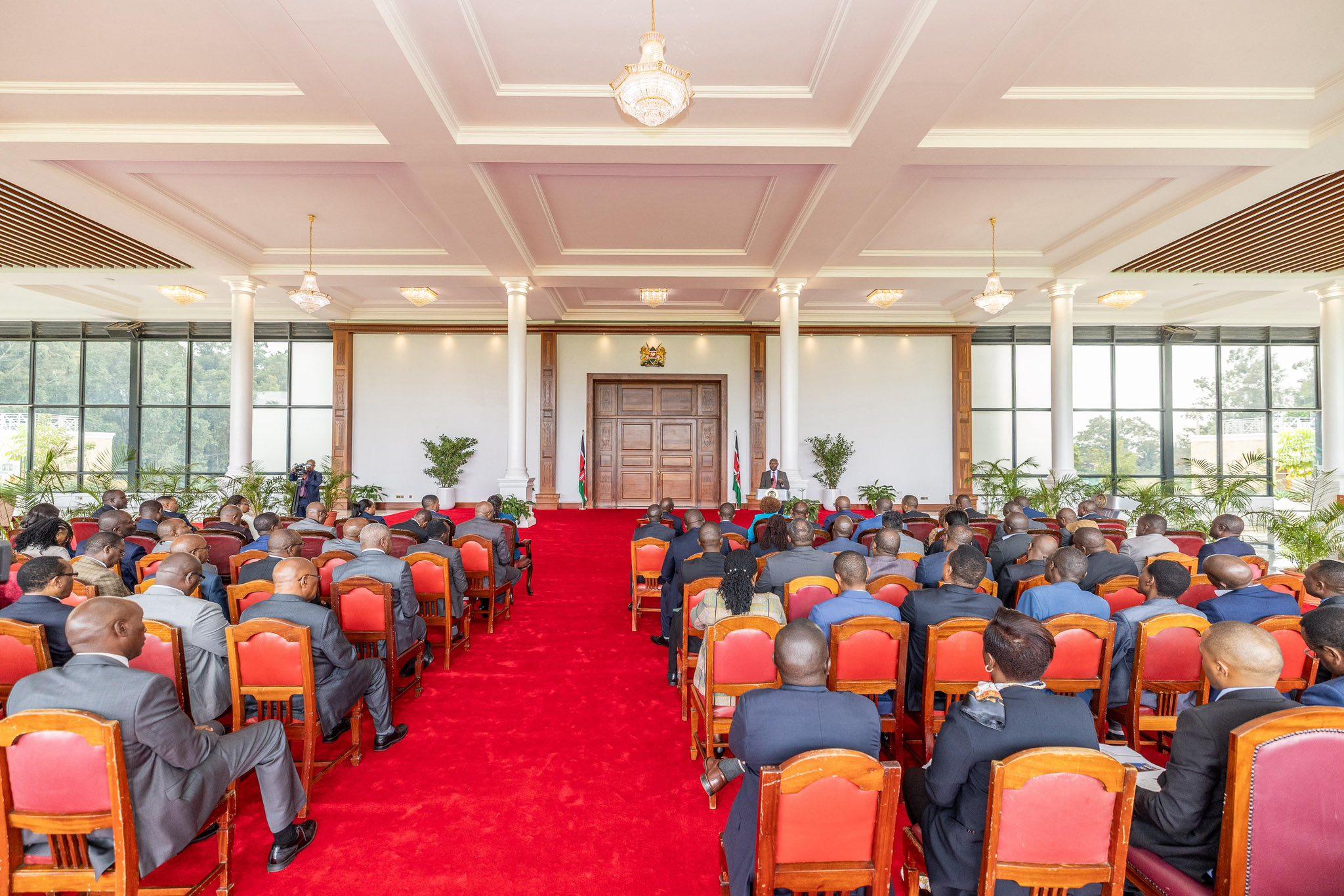
However, Ruto’s tenure has been marked by significant challenges, including widespread protests, economic hardships, and accusations of unfulfilled promises. This article explores Ruto’s vision for nation-building, the policies he has championed, the obstacles he faces, and the delicate balance of leadership required to steer Kenya toward a brighter future.
The Vision: A Bottom-Up Approach to Nation Building
President Ruto’s rise to power was built on a compelling narrative: a self-made man who rose from humble beginnings as a chicken seller to the presidency, promising to uplift the “hustler nation”—ordinary Kenyans struggling with poverty, joblessness, and inequality. His Bottom-Up Economic Transformation Agenda aims to empower the marginalized by prioritizing economic opportunities for small-scale traders, farmers, and youth. Ruto has articulated that nation-building is not a quick fix but a long-term endeavor requiring bold decisions and resilience in the face of adversity. In a post on X, he stated, “Transforming a country does not come easy. It takes courage, foresight and commitment. We will keep pushing. Our vision for a better Kenya is irreversible”.
Central to Ruto’s vision is the Affordable Housing Programme (AHP), which seeks to address Kenya’s housing deficit by constructing 250,000 units annually for low-income earners. The program is inspired by Singapore’s Housing and Development Board (HDB), which transformed homeownership and spurred economic growth. As of June 2025, the government is on track to deliver 150,000 units, with 11,000 nearing completion and nearly 2,000 already occupied. The AHP is not just about providing shelter; it aims to create jobs, stimulate economic activity, and restore dignity to ordinary Kenyans. Ruto has directed that priority be given to “hustlers” such as market vendors and boda boda riders, ensuring that the benefits reach the grassroots.
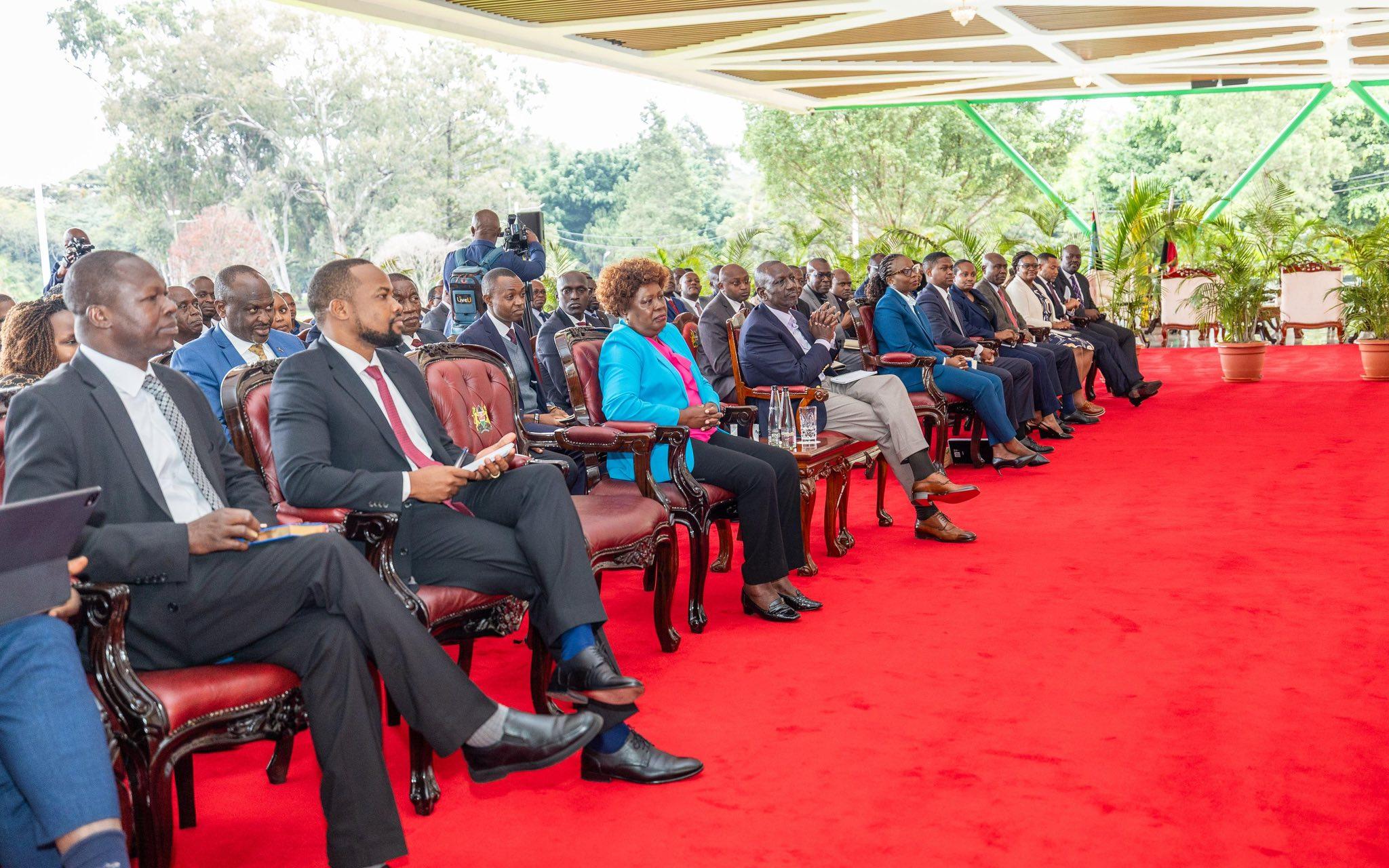
Another cornerstone of Ruto’s agenda is agricultural reform. By shifting subsidies from consumption to production, such as providing affordable fertilizers to over five million farmers, the administration has reduced food inflation from 15.3% in September 2022 to 13.3% in February 2023. Initiatives like the Hustler Fund, launched in November 2022, provide affordable credit to micro, small, and medium enterprises (MSMEs), fostering entrepreneurship and job creation. Despite funding challenges, with allocations dropping from Sh12 billion in 2023 to Sh1 billion in 2025, the fund has supported millions of Kenyans in the informal sector.
Ruto’s commitment to Universal Health Coverage (UHC) through the Social Health Insurance Act and the transition from the National Hospital Insurance Fund (NHIF) to Taifa Care represents a bold step toward equitable healthcare. The new framework aims to digitize healthcare services, reduce inefficiencies, and ensure access for vulnerable populations. In his 2024 State of the Nation Address, Ruto highlighted that the Social Health Authority (SHA) oversees three essential funds to provide quality healthcare to all Kenyans. These initiatives reflect his belief that nation-building hinges on empowering citizens through access to housing, economic opportunities, and essential services.
The Challenges: Economic Hardships and Public Discontent
Despite these ambitious policies, Ruto’s presidency has faced significant hurdles, many of which have tested his resolve and public support. Kenya’s economy, burdened by a $80 billion debt, has forced tough fiscal decisions, including aggressive tax hikes and the removal of fuel subsidies. These measures, intended to stabilize the economy and avoid default, have sparked widespread discontent. The Finance Bill 2024, which proposed new taxes, triggered massive protests, culminating in a deadly clash in June 2024, where at least five people were killed and hundreds injured as demonstrators stormed parliament. The protests, largely led by Gen Z, reflected deep frustration with Ruto’s perceived betrayal of his “hustler” promises, with many branding him “Zakayo” (Kiswahili for Zacchaeus, the biblical tax collector) and “mwizi” (thief).
The economic strain has been exacerbated by a rising cost of living, driven by increased petrol prices and the depreciation of the Kenyan shilling. Critics argue that Ruto’s administration has failed to deliver on its promise to improve living conditions, with unemployment remaining a critical issue, particularly among the youth. The impeachment of Ruto’s former deputy, Rigathi Gachagua, in 2024 further alienated the Kikuyu community in the Mt. Kenya region, which had been a key support base in the 2022 elections. Gachagua’s ousting sparked accusations of betrayal and fueled ethnic tensions, undermining Ruto’s call for national unity.
Corruption remains a persistent challenge, eroding public trust. Despite Ruto’s campaign pledge to eradicate graft, scandals such as the Kenya Medical Supplies Authority mosquito nets tender and a reported Sh650 million lost to corrupt deals in his first year have drawn criticism. The failure to establish a commission of inquiry into state capture, as promised, has further dented his credibility. Additionally, allegations surrounding Ruto’s involvement in dubious land deals, such as the Weston Hotel case, continue to haunt his administration, raising questions about his commitment to transparency.
Recent protests, sparked by the death of a blogger in police custody in 2025, have intensified calls for Ruto’s resignation, with the slogan “Ruto must go” gaining traction across social media and public discourse. Political analyst Karuti Kanyinga notes that Ruto’s low public confidence makes him “probably the most hated man in Kenya,” highlighting the disconnect between his ambitious agenda and public perception. These challenges underscore the immense courage required to push transformative policies in the face of widespread opposition.
The Commitment: Balancing Reform and Stability
Ruto’s response to these challenges reflects a calculated blend of defiance and pragmatism. In addressing the “Ruto must go” chants, he challenged critics to present a better plan, stating, “You cannot replace the plan we have and are working with something you do not have”. This rhetorical strategy underscores his belief in the necessity of his reforms, even when unpopular. His decision to cancel controversial deals with the Adani Group, including a $2 billion agreement to manage Jomo Kenyatta International Airport, demonstrates responsiveness to public pressure and corruption concerns raised by U.S. prosecutors. Similarly, the withdrawal of the Finance Bill 2024 after protests signals a willingness to adapt, though critics argue he only acts when cornered.
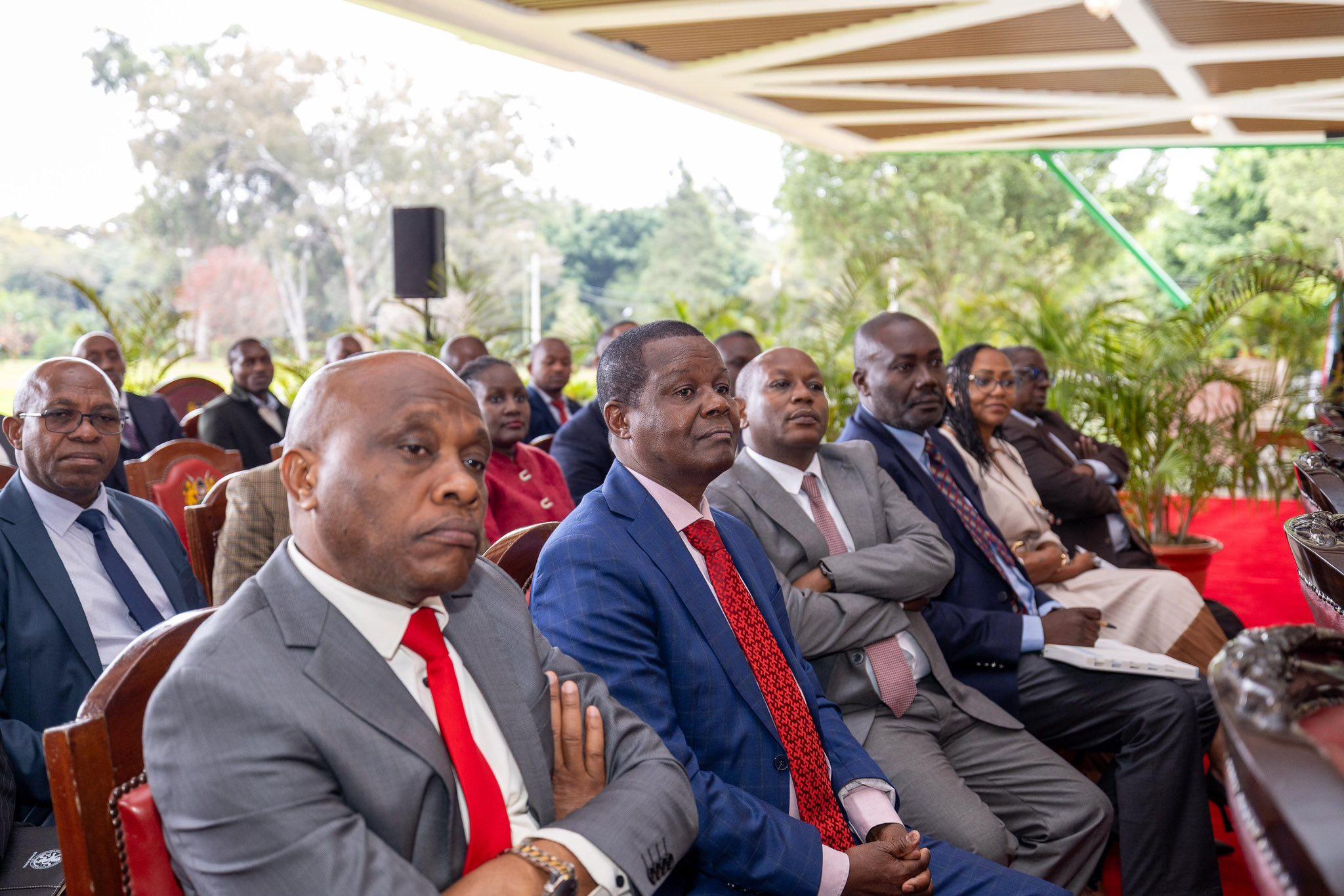
Ruto has also prioritized institutional reforms to enhance transparency and efficiency. His push for a fully electronic procurement system by July 2025 aims to combat fraud and reduce wasteful spending. The administration’s focus on digitization extends to healthcare and education, with initiatives like the Digital Health Agency and a new university funding model aimed at improving service delivery. However, these reforms have faced resistance, with court challenges arguing that they burden citizens with additional costs.
On the international stage, Ruto has positioned himself as a statesman advocating for global equity. His 2022 UN General Assembly speech called for a reformed, inclusive United Nations Security Council, emphasizing Africa’s role in global governance. His commitment to climate action and regional peace, including Kenya’s mediation efforts in Haiti, reflects a broader vision of nation-building that extends beyond domestic borders. These efforts enhance Kenya’s global standing but do little to quell domestic unrest.
The Path Forward: Uniting a Divided Nation
Ruto’s vision for a prosperous Kenya hinges on overcoming ethnic, regional, and economic divisions. His call for a broad-based government seeks to foster inclusivity, ensuring no community or region feels sidelined. However, analysts argue that his centralized decision-making style and perceived disregard for public participation risk alienating key constituencies. To regain lost support, Ruto must balance bold reforms with genuine engagement, addressing concerns about corruption, transparency, and economic hardship.
The opposition, while vocal, lacks a cohesive alternative plan, giving Ruto a strategic advantage. However, unseating an incumbent in Africa is a formidable task, and Ruto’s access to state resources and political experience positions him strongly for the 2027 elections. To succeed, he must reconnect with the “hustler nation” by delivering tangible results—more jobs, affordable housing, and accessible healthcare—while addressing corruption head-on.
President William Ruto’s assertion that “nation-building demands courage and commitment” encapsulates the challenges and aspirations of his presidency. His Bottom-Up Economic Transformation Agenda, with its focus on housing, agriculture, and healthcare, reflects a bold vision for an inclusive Kenya. Yet, economic hardships, corruption scandals, and public discontent have tested his leadership. As Ruto navigates these turbulent waters, his ability to balance reform with responsiveness will determine whether he can fulfill his promise of a prosperous nation. History teaches that true transformation requires not only vision but also the resilience to withstand criticism and the wisdom to unite a divided people. For Ruto, the journey is far from over, but his commitment to Kenya’s future remains a defining feature of his leadership.