A transformative development unfolded in Kenya’s industrial landscape this morning, Wednesday, August 27, 2025, as flour mill tycoons associated with brands like Supa Loaf, Mombasa Maize Millers, Kitui Flour Millers, and Eldoret Grains finalized the acquisition of Savannah Cement for Ksh 3.8 billion. The announcement, confirmed at 08:01 AM East Africa Time through a joint statement from the involved companies’ representatives in Nairobi, marks the end of Savannah Cement’s receivership, which began in 2022, and signals an ambitious expansion into the country’s booming cement industry. The deal, brokered after months of negotiations, positions these agricultural giants as key players in construction, leveraging their financial muscle amid Kenya’s Sh10 trillion national debt and 5.5% inflation. "This acquisition strengthens our commitment to Kenya’s growth," said a spokesperson for the consortium during a brief press interaction. The news has ignited discussions on diversification and economic resilience.
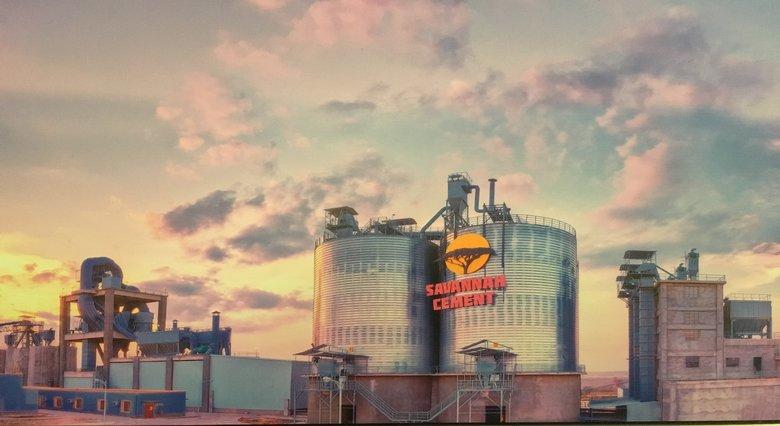
Savannah Cement, based in Athi River, entered receivership under KCB Bank due to unpaid loans exceeding Ksh 4 billion, halting operations and threatening jobs for over 500 employees. The flour mill tycoons, led by figures behind Mombasa Maize Millers’ Ndovu brand and Kitui Flour Millers’ Dola flour, pooled resources to acquire the distressed firm, ending its financial turmoil. The Ksh 3.8 billion deal includes settling outstanding debts and injecting fresh capital to resume production, with plans to double output to meet rising demand driven by infrastructure projects like the Standard Gauge Railway expansion. A farmer in Migori, tending his maize field, remarked, "This could mean more jobs and cheaper cement."
Public response has been a mix of optimism and curiosity. In Kisumu, a teacher preparing lessons for her students caught the update on her phone and said, "It’s good to see businesses bounce back." The acquisition reflects a strategic pivot for these tycoons, who have dominated the maize and wheat milling sector, supplying brands like Supa Loaf and Eldoret Grains’ premium flour to millions. The cement industry, growing at 6% annually, offers a lucrative opportunity, though challenges like raw material costs and competition from East African rivals loom. A youth leader in Naivasha, organizing a community forum, added, "This could boost our local economy if managed well." The move tests industrial diversification.
The morning’s announcement drew diverse reactions. In Thika, a mother preparing breakfast for her children said, "More cement could mean better roads here." In Baringo, a herder tending cattle noted, "I hope it lowers prices for our homes." Savannah Cement, known for its 1.8 million ton annual capacity before receivership, will benefit from the tycoons’ experience in scaling operations, with Mombasa Maize Millers’ expansive network and Kitui Flour Millers’ regional presence providing a foundation. The deal includes retaining existing staff and adding 200 new jobs, a relief in a region hit by unemployment. A driver in Garissa, fueling his matatu, remarked, "This is a win for workers and builders." The acquisition highlights economic recovery.
As the day progressed, the story reached remote areas. In Marsabit, a community elder listening to a radio update said, "Our construction needs this boost." In Mombasa’s markets, a fisherman packing nets asked, "Will this affect flour prices?" The tycoons, including Supa Loaf’s parent company and Eldoret Grains’ leadership, see the purchase as a hedge against agricultural volatility, with cement’s steady demand offering stability. The Ksh 3.8 billion, financed partly through bank loans and internal reserves, ends Savannah’s two-year receivership, with production slated to resume by October. A shopkeeper in Homa Bay, preparing for the Devolution Conference, noted, "This could transform our building sector." The deal reflects strategic vision.
The morning brought a reflective mood to offices and homes. In Eldoret, a public servant preparing a report said, "Diversifying makes sense in these tough times." In Kisumu, a father checking on his family added, "My brother works in construction; this is good news." The cement industry, fueled by government projects and private housing, has seen a surge, with Savannah’s Athi River plant poised to capitalize. The tycoons’ move, driven by leaders like Mombasa Maize Millers’ Mohammed Islam Ali family, builds on their legacy, though integrating cement operations will require expertise. A community organizer in Turkana, planning a radio talk, remarked, "We need to see the benefits locally." The acquisition challenges industry integration.
Experts see a bold step. In Nairobi, an industry analyst discussing over tea said, "This diversification could pay off if they manage supply chains well." The flour sector’s stability, with brands like Kitui’s Dola and Supa Loaf’s market share, contrasts with cement’s volatility, requiring investment in limestone and energy. A vendor in Timau, closing his stall, said, "Let’s hope it doesn’t raise flour costs." The deal’s success hinges on operational efficiency, with the tycoons planning to leverage Savannah’s existing infrastructure. A father in Nyahururu, walking home with his family, added, "This could build a stronger Kenya." The move marks an industrial milestone.
The day saw continued engagement across the country. In Nakuru, a group at a market debated the news. "Will cement be cheaper now?" one trader asked, sorting vegetables. In Nairobi’s cyber cafes, a student scrolling through updates noted, "Social media is excited about jobs." The consortium plans a launch event next month, with community leaders invited to discuss impacts. A youth leader in Kitale, organizing an event, reflected, "This could inspire more business growth if it succeeds." As the acquisition takes effect, its ripple effects will shape Kenya’s economic landscape.