By Brenda Wereh25 Jun, 202529 mins read 2,617 views
0 comments 0 likes
Kenya’s Gen Z leads nationwide protests on June 25, 2025, to mark the first anniversary of the 2024 anti-Finance Bill uprising, honoring victims and renewing demands for justice, economic reform, and an end to police brutality.
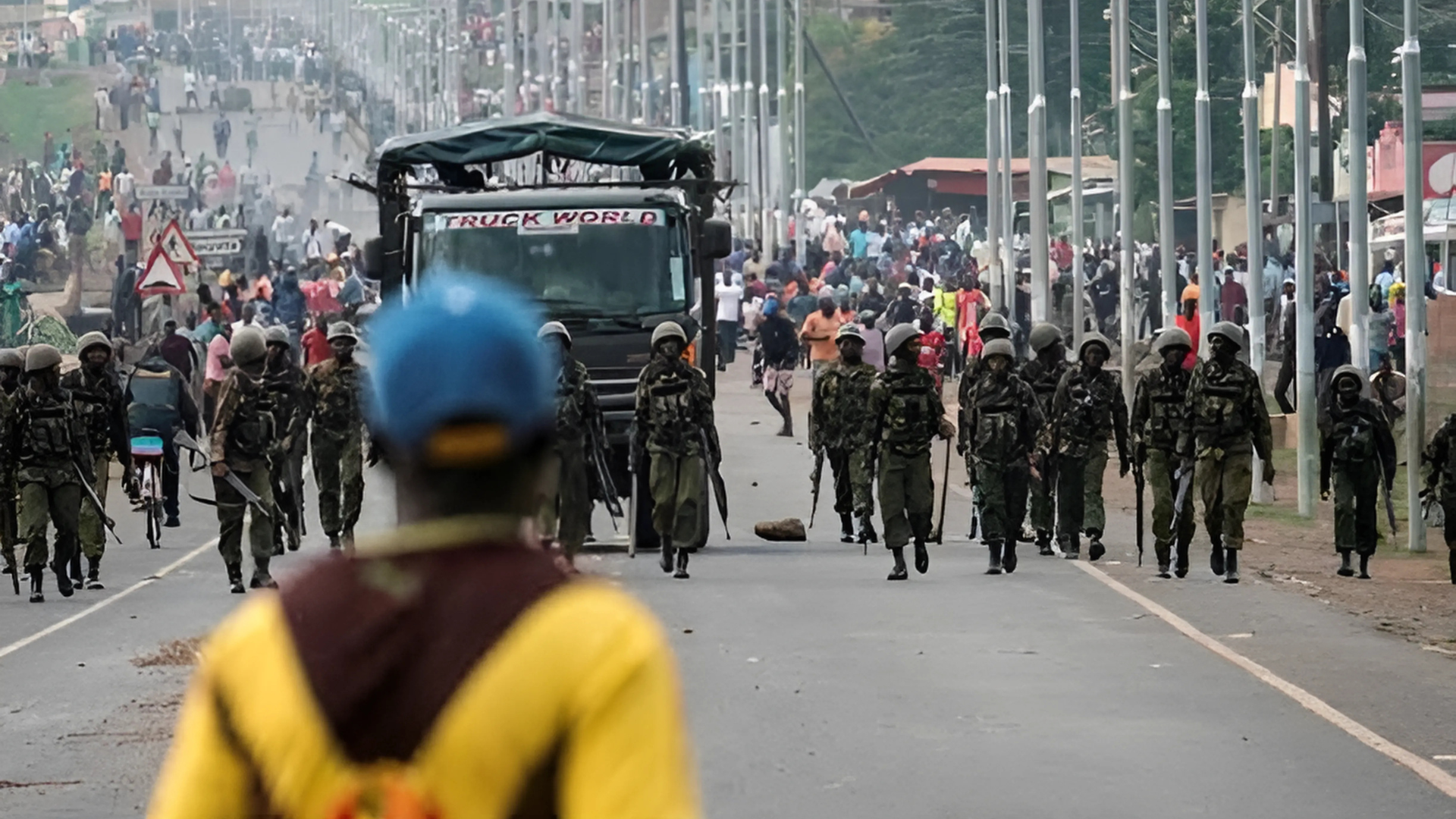
Kenya’s streets are set to come alive with the vibrant energy of youth-led protests, as Generation Z organizes nationwide demonstrations to commemorate the first anniversary of the 2024 anti-Finance Bill uprising. The protests, which erupted last year in response to a controversial tax bill, marked a turning point in Kenya’s political landscape, galvanizing a leaderless, social media-driven movement that challenged the status quo. Today, thousands of young Kenyans are expected to march in Nairobi, Mombasa, Kisumu, Eldoret, and other towns, carrying candles and placards to honor the over 60 lives lost in last year’s unrest and to press for accountability, economic equity, and an end to state violence.
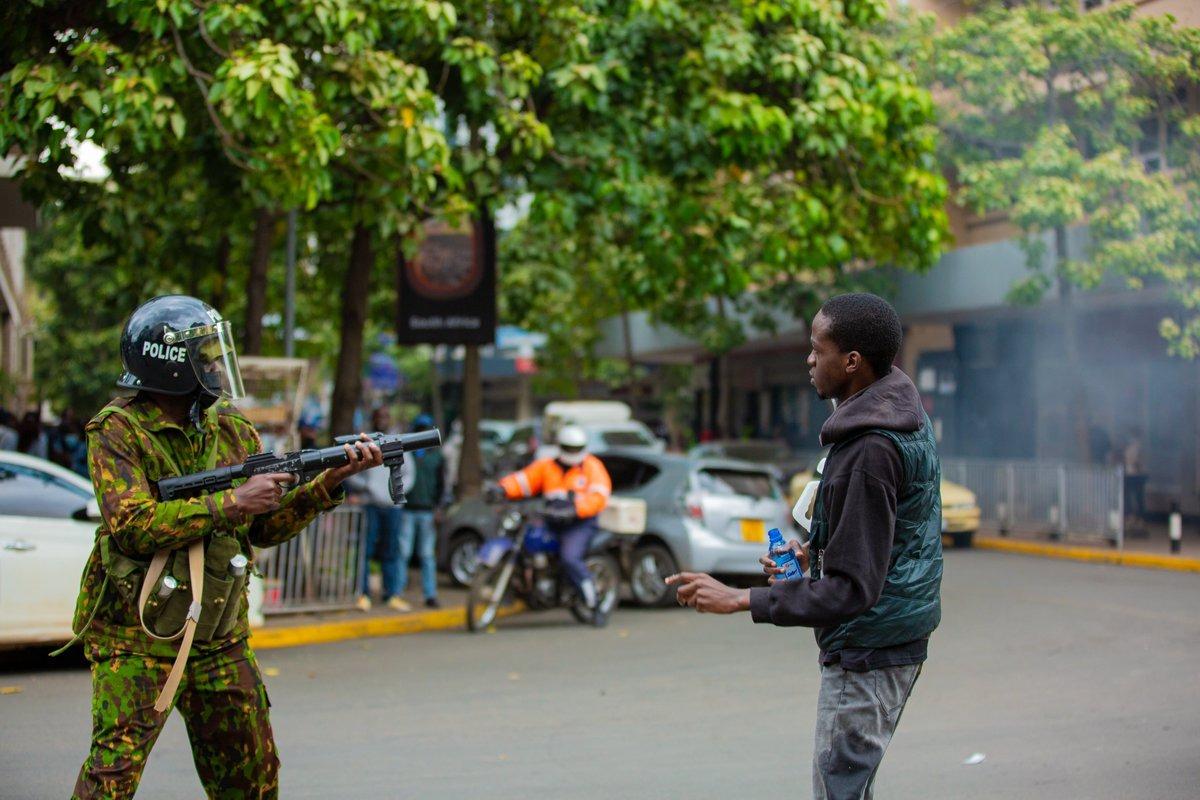
Gen Z and Police during a protest
The 2024 uprising, sparked by the proposed Finance Bill’s steep tax increases, saw young Kenyans take to the streets in unprecedented numbers, defying traditional political structures. The protests, initially focused on economic grievances, escalated into a broader demand for systemic change, culminating in the dramatic storming of Parliament on June 25, 2024. The unrest, which left parts of Nairobi’s City Hall ablaze and resulted in hundreds injured, exposed deep public frustration with governance and economic policies. The anniversary demonstrations, dubbed the “Gen Z Memorial March,” aim to keep these issues in the spotlight while paying tribute to those who paid the ultimate price.
“This is not just a protest; it’s a movement for our future,” said Esther Wanjiku, a 22-year-old university student and one of the organizers in Nairobi. “We lost friends, siblings, and neighbors last year. We march to honor them and to demand a Kenya where no one dies for speaking out.” Wanjiku’s words, shared during a planning meeting in Nairobi’s Central Business District, reflect the resolve of a generation that has harnessed social media to mobilize and amplify their voices. Platforms like X have been abuzz with hashtags such as #GenZMemorial and #JusticeFor2024, coordinating marches and vigils across the country.
The protests come amid a charged atmosphere, with political and religious leaders weighing in. Rt. Hon. Raila Odinga, leader of the Orange Democratic Movement (ODM), has endorsed the demonstrations, urging protesters to adhere to legal protocols while criticizing the government for attempting to suppress them. “The right to protest is ironclad,” Odinga said in Mombasa on June 17. “The government must allow Kenyans to express their grievances.” His remarks, however, have sparked debate, with some Gen Z activists wary of political figures co-opting their cause. A viral video from 2024, in which a young protester told Odinga to “stay at home,” remains a powerful symbol of the movement’s independence.
Inspector General of Police Douglas Kanja, addressing the nation on June 24, promised to protect peaceful protesters but warned against provocative acts or breaches of protected areas like State House. “We are committed to upholding the right to assemble, but it must be done peacefully and within the law,” Kanja said, standing alongside senior security officials. His assurances come against a backdrop of heightened security, with increased police presence reported in Nairobi and other urban centers. Civil society groups, however, have expressed skepticism, citing allegations of excessive force during last year’s protests, including the use of live ammunition and abductions.
The church, a significant voice in Kenyan society, has also faced scrutiny. Odinga recently accused religious leaders of hypocrisy for supporting the Gen Z protests while denying opposition groups access to churches for memorial services in 2023. Catholic Bishops, in a statement on June 24, reaffirmed their solidarity with the youth, urging restraint from all parties. “The cries of our young people must be heard,” said Bishop Paul Kariuki. “We call for dialogue to address their legitimate concerns.” The church’s involvement, however, has done little to quell tensions, with some protesters viewing its support as opportunistic.
The demands of the Gen Z movement are multifaceted, reflecting the complexity of Kenya’s challenges. Protesters are calling for justice for the 2024 victims, including independent investigations into police conduct and compensation for affected families. They also seek economic reforms to address the high cost of living, unemployment, and perceived mismanagement of public resources. “We’re tired of leaders who live in luxury while we can’t afford food,” said Brian Otieno, a 25-year-old protester in Kisumu. “This government must listen, or we’ll keep coming back.” Otieno’s sentiment echoes the frustration that fueled last year’s uprising, which forced the government to withdraw the Finance Bill and led to a political pact incorporating ODM members into President William Ruto’s Cabinet.
President Ruto, speaking at a rally in Bomet on June 24, called for unity and dialogue, urging Kenyans to avoid actions that could destabilize the economy. “Kenya is bigger than any group,” he said. “Let us work together to build a nation we all deserve.” His administration, however, has faced criticism for its handling of dissent, with reports of surveillance and arrests of protest organizers in recent weeks. The government’s decision to declare street protests unlawful, citing disruptions to businesses, has further inflamed tensions, setting the stage for potential confrontations on June 25.
The protests have drawn international attention, with foreign missions issuing statements of concern. A joint communique from the United States, United Kingdom, and Canada urged all parties to ensure peaceful demonstrations and respect human rights. “Kenya’s democratic traditions depend on the right to assemble,” the statement read. Human rights organizations, including Amnesty International Kenya, have called for independent probes into last year’s violence and an end to impunity for security forces. “The government must protect protesters, not criminalize them,” said an Amnesty spokesperson.
In Nairobi, organizers have planned a march through the Central Business District, starting at Uhuru Park and ending with a candlelight vigil at the Parliament grounds. In Kisumu, a stronghold of opposition support, protesters will gather at Kondele for a peaceful procession. Mombasa’s youth have coordinated a beachfront vigil, while Eldoret plans a march through its main streets. The decentralized nature of the protests, driven by social media, has made it difficult for authorities to predict their scale or trajectory, adding to the sense of uncertainty.
The Gen Z movement’s leaderless structure is both its strength and its challenge. While it has allowed for broad participation and resilience against government crackdowns, it has also led to debates over strategy and goals. Some protesters advocate for dialogue with the government, while others demand more radical change, including the resignation of key officials. “We don’t need leaders to tell us what to do,” said Aisha Mohamed, a 20-year-old organizer in Mombasa. “We know what’s wrong with this country, and we’re here to fix it.”
The protests also highlight the economic and social pressures facing Kenya’s youth, who make up over 60 percent of the population. With unemployment rates hovering around 20 percent for those under 35, and a cost-of-living crisis exacerbated by global inflation, many feel excluded from the economic gains promised by successive governments. The Finance Bill 2024, which proposed taxes on essentials like bread and sanitary products, was seen as a direct assault on their livelihoods, sparking the outrage that fueled last year’s uprising.
As the protests unfold, the nation is grappling with questions about its democratic future. The Gen Z movement has challenged traditional power structures, forcing politicians, religious leaders, and security forces to confront a new reality. For many young Kenyans, the anniversary is not just a moment of remembrance but a call to action. “We’re not here to beg,” said Wanjiku. “We’re here to demand what’s ours—a country that works for us, not against us.”
The outcome of June 25 will shape Kenya’s trajectory in the months ahead. A peaceful demonstration could strengthen the movement’s legitimacy, while any violence risks escalating tensions and undermining its message. For now, the nation watches as its youth take to the streets, their voices echoing a demand for justice that refuses to be silenced.
Former Kiambu Governor Ferdinand Waititu has secured a major bail reprieve from the High Court, with Justice Winfrida Okwany reducing his bail from Sh53.5 million to Sh20 million cash pending appeal in his ongoing corruption case.
President Ruto and Governor Sakaja signed a cooperation agreement allocating funds for 50,000 new streetlights, water plants saving 50 million litres daily, 27 km Nairobi River sewer and ward road upgrades, with Ruto calling it a partnership to make the city livable while opposition senators warn of devolution threats.
A staff member at Moi Teaching and Referral Hospital allegedly stole Sh10 million by falsifying patient bills as paid in the eCitizen system while diverting the money to her personal account, prompting an ongoing police and hospital investigation.