By Brenda Wereh18 Jul, 202532 mins read 2,332 views
0 comments 0 likes
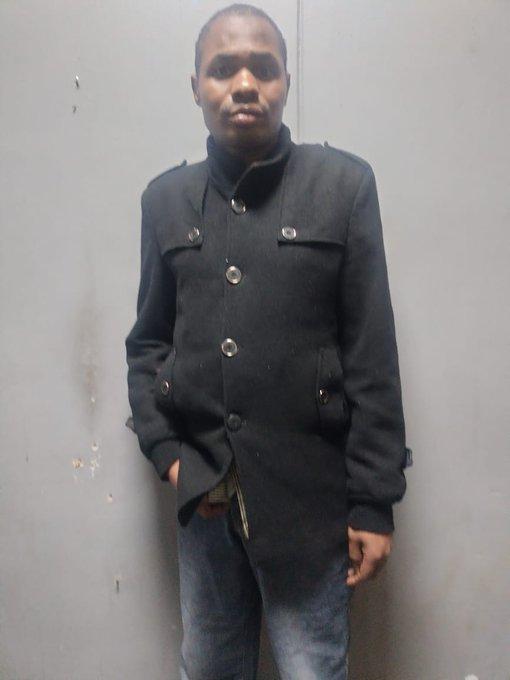
DCI homicide detectives have arrested Kennedy Kalombotole, the prime suspect linked to the gruesome killing of a patient inside Kenyatta National Hospital’s Ward 7B. The case has sparked fresh concerns over security in public health facilities.
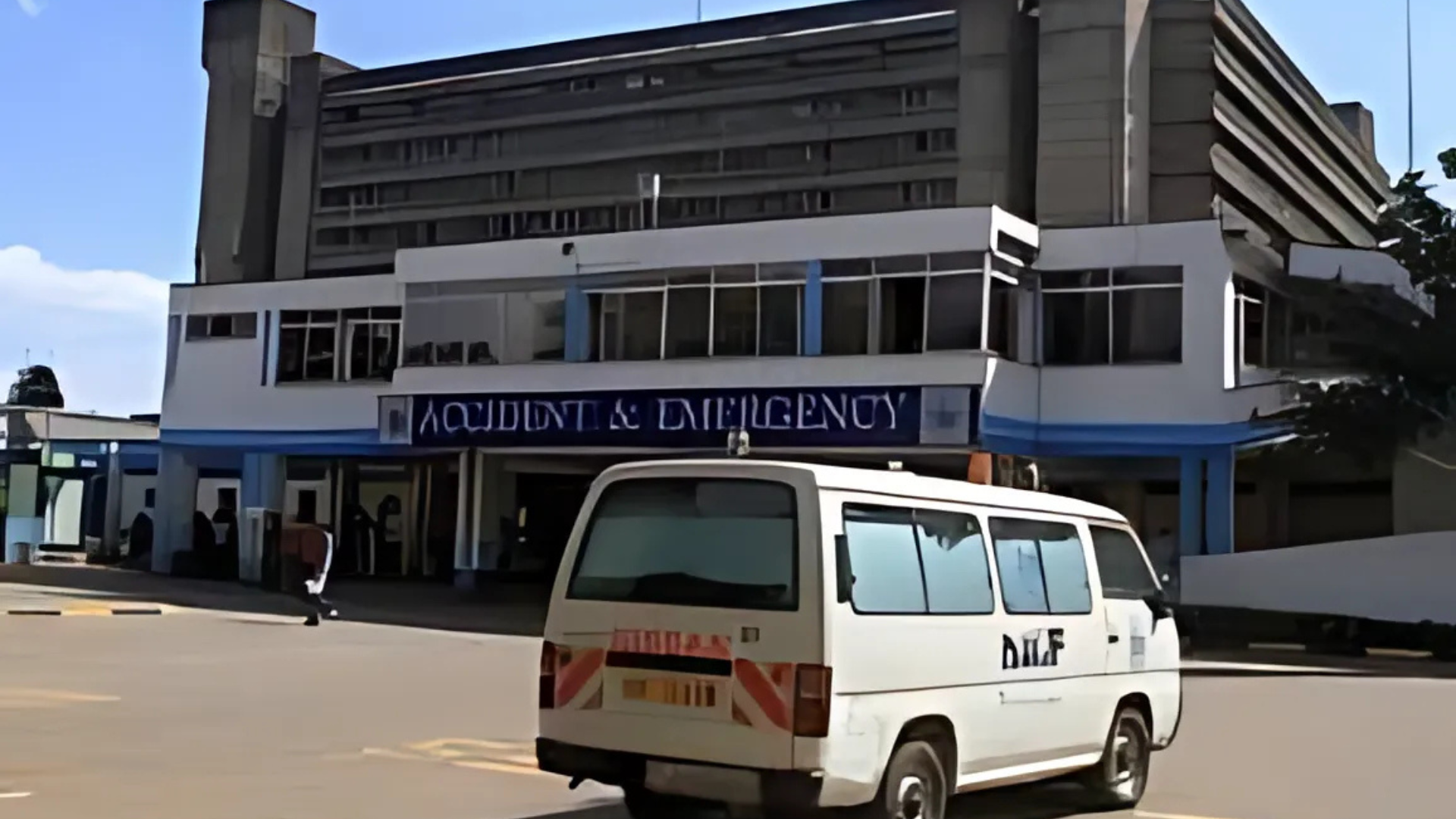
Shocking crime unfolded within the walls of Kenyatta National Hospital (KNH), Kenya’s largest referral hospital, when Edward Maingi Ndegwa, a 50-year-old patient, was found brutally murdered in Ward 7B. The incident, marked by its audacity and chilling execution, sent ripples of fear through the medical community and the public at large. Just hours later, in a dramatic late-night breakthrough, homicide detectives from the Directorate of Criminal Investigations (DCI) arrested Kennedy Kalombotole, the prime suspect in this gruesome murder. Disturbingly, Kalombotole has also been linked to the earlier killing of another patient, Gilbert Kinyua Muthoni, in the same hospital in February 2025.
Kenyatta National Hospital, located in Nairobi, is a beacon of hope for thousands of patients seeking specialized medical care. Ward 7B, part of the hospital’s neurological care unit, is designed to provide a safe environment for patients recovering from complex conditions. However, on the afternoon of July 17, 2025, this sanctuary of healing became the scene of a horrific crime.
According to initial reports, a nurse conducted a routine check on Edward Maingi Ndegwa at approximately 11:30 a.m., noting that his condition was stable and taking his blood pressure. A relative visited Maingi at 12:30 p.m. and left an hour later, reporting no signs of distress. Yet, at around 2:00 p.m., a hospital cleaner making rounds in the corridor noticed blood pooling around Maingi’s neck. The patient had been brutally stabbed, with a deep wound to his throat, and was pronounced dead at the scene. The discovery of blood-soaked beddings and a trail of bloody slipper prints leading from the victim’s bedside to a nearby toilet and a side room raised immediate alarm.
The audacity of the crime—committed in broad daylight within a busy hospital ward—shocked both staff and patients. The presence of a bloodstained kitchen knife, believed to be the murder weapon, discarded outside Ward 7B, further intensified the urgency of the investigation. The DCI was promptly notified, and homicide detectives descended on the scene to begin piecing together the events leading to Maingi’s death.
The Arrest of Kennedy Kalombotole
Following a swift and meticulous investigation, DCI detectives arrested Kennedy Kalombotole on the evening of July 17, 2025. The suspect, who had been admitted to KNH as a patient since December 1, 2024, was apprehended in a side room within the hospital, where the trail of bloody slipper prints led investigators. Among the items recovered from Kalombotole’s room were a pair of blue slippers and a blood-stained bedsheet, which were immediately sent to the National Forensic Laboratory for detailed analysis.
Kalombotole’s arrest was a significant breakthrough, as detectives traced the bloody slipper prints directly from Maingi’s bedside to the suspect’s location. The DCI’s statement, issued in the early hours of July 18, 2025, confirmed that Kalombotole was the prime suspect in Maingi’s murder and was also linked to the earlier killing of Gilbert Kinyua Muthoni, a 40-year-old patient found dead in Ward 7C on February 7, 2025, with similar stab wounds to the neck.
A Disturbing Pattern: The February Murder
The connection to Gilbert Kinyua’s murder added a chilling dimension to the case. Kinyua, admitted to KNH on December 11, 2024, after being transferred from St. Mary’s Hospital in Lang’ata, was recovering from severe limb dysfunction and wounds linked to extended immobility. Despite his critical condition, hospital staff reported that he had shown signs of improvement. On the night of February 6–7, 2025, Kinyua was found dead in his bed with a slit throat, and a bloodstained kitchen knife was discovered discarded outside Ward 7B’s window.
Initial investigations into Kinyua’s death hit a dead end when DNA tests cleared the primary suspect—a patient sharing the ward with Kinyua—due to a lack of matching forensic evidence. The absence of functional CCTV cameras in the ward at the time of the murder further complicated the probe, leaving Kinyua’s family without answers and suspecting a cover-up.
Kalombotole’s arrest has reignited hope for justice in Kinyua’s case. Preliminary investigations suggest that he was present in the hospital during both murders, raising questions about whether KNH’s security protocols failed to identify a dangerous individual in their midst. The DCI has stated that a case file compiled after Kinyua’s murder was submitted to the Office of the Director of Public Prosecutions (ODPP), but further inquiries were requested to strengthen the prosecution’s case, allowing Kalombotole to remain in the hospital without being transferred to police custody.
The Investigation: Forensic and Circumstantial Evidence
The DCI’s investigation into Maingi’s murder was marked by rapid action and forensic precision. Detectives followed the trail of bloody slipper prints, which provided a critical lead to Kalombotole’s room. The recovered items—slippers and a bedsheet—are undergoing detailed forensic analysis to confirm their connection to the crime. Additionally, CCTV footage from the hospital is being reviewed, though earlier reports indicated that cameras in Ward 7B were non-functional during Kinyua’s murder, raising concerns about the hospital’s security infrastructure.
Preliminary investigations have established that Kalombotole was admitted to KNH on December 1, 2024, for an undisclosed condition. His prolonged stay in the hospital, spanning both murders, has led investigators to explore whether he exploited his status as a patient to evade suspicion. The DCI has not disclosed whether Kalombotole has confessed to either crime, but the evidence collected thus far—particularly the bloody slipper prints and recovered items—positions him as the central figure in the case.
The ODPP’s directive to conduct further inquiries into Kinyua’s murder suggests that additional forensic evidence, such as DNA or toxicology results, may be pivotal in securing a conviction. The postmortem conducted on Kinyua on February 20, 2025, confirmed that a deep throat wound caused his death, and similar injuries in Maingi’s case point to a consistent modus operandi.
Nairobi Woman Representative Esther Passaris, addressing the National Assembly, highlighted the need for enhanced security in hospitals, particularly for high-risk wards like neurology, where patients may be more vulnerable. Former health committee chair Charles Pukose emphasized that Kinyua’s condition required round-the-clock care, yet the lack of monitoring allowed the perpetrator to act unnoticed.
Interior Cabinet Secretary Kipchumba Murkomen, appearing before the National Assembly Security Committee on April 22, 2025, assured the public that the investigations into both murders are ongoing and that those found culpable will face justice. However, the lack of progress in Kinyua’s case until Kalombotole’s recent arrest has fueled skepticism about the effectiveness of the DCI’s efforts.
Public Reaction and Broader Context
The murders at KNH have reignited discussions about public safety in Kenya, particularly in light of other high-profile cases of violence. Posts on X reflect public shock and concern, with many users expressing fear about the vulnerability of patients in hospitals. The arrest of Kalombotole has been met with cautious optimism, but there is widespread demand for transparency and accountability in the investigation.
Kenya has faced scrutiny over its law enforcement and judicial systems, with allegations of police inaction and delays in prosecuting suspects. The fact that Kalombotole remained in the hospital after Kinyua’s murder, despite being a suspect, has led to accusations of negligence. The ODPP’s request for further inquiries, while intended to strengthen the case, has been criticized as a delay that allowed another tragedy to occur.
The arrest of Kennedy Kalombotole marks a critical step toward justice for the victims of the Kenyatta National Hospital murders. However, the case has exposed deep flaws in the security and oversight mechanisms of one of Kenya’s most important medical institutions. As the DCI continues its investigation and forensic analysis, the public awaits answers about how such atrocities could occur in a place meant for healing. The resolution of this case will not only determine the fate of the accused but also shape the future of hospital safety protocols in Kenya, ensuring that patients can seek treatment without fear for their lives.
Former Kiambu Governor Ferdinand Waititu has secured a major bail reprieve from the High Court, with Justice Winfrida Okwany reducing his bail from Sh53.5 million to Sh20 million cash pending appeal in his ongoing corruption case.
President Ruto and Governor Sakaja signed a cooperation agreement allocating funds for 50,000 new streetlights, water plants saving 50 million litres daily, 27 km Nairobi River sewer and ward road upgrades, with Ruto calling it a partnership to make the city livable while opposition senators warn of devolution threats.
A staff member at Moi Teaching and Referral Hospital allegedly stole Sh10 million by falsifying patient bills as paid in the eCitizen system while diverting the money to her personal account, prompting an ongoing police and hospital investigation.