Multimedia University of Kenya (MMU) has embarked on a transformative journey to align its academic programs with the nation’s shift toward Competency-Based Education and Training (CBET), launching a comprehensive sensitization training program for all academic staff on June 23, 2025. Held at the university’s main campus in Ongata Rongai, the initiative aims to equip lecturers with the skills and methodologies needed to implement CBET, a system designed to prioritize practical, industry-relevant competencies over traditional rote learning. In a speech delivered on her behalf by Deputy Vice Chancellor for Academic Affairs, Research, and Innovation, Prof. Livingstone Ngoo, MMU Vice Chancellor Prof. Rosebella Maranga underscored the strategic importance of this shift, describing CBET as a paradigm change that will redefine teaching and learning at the institution. As Kenya rolls out CBET across its education sector, MMU’s proactive approach positions it as a leader in preparing students for a dynamic, skill-driven economy.
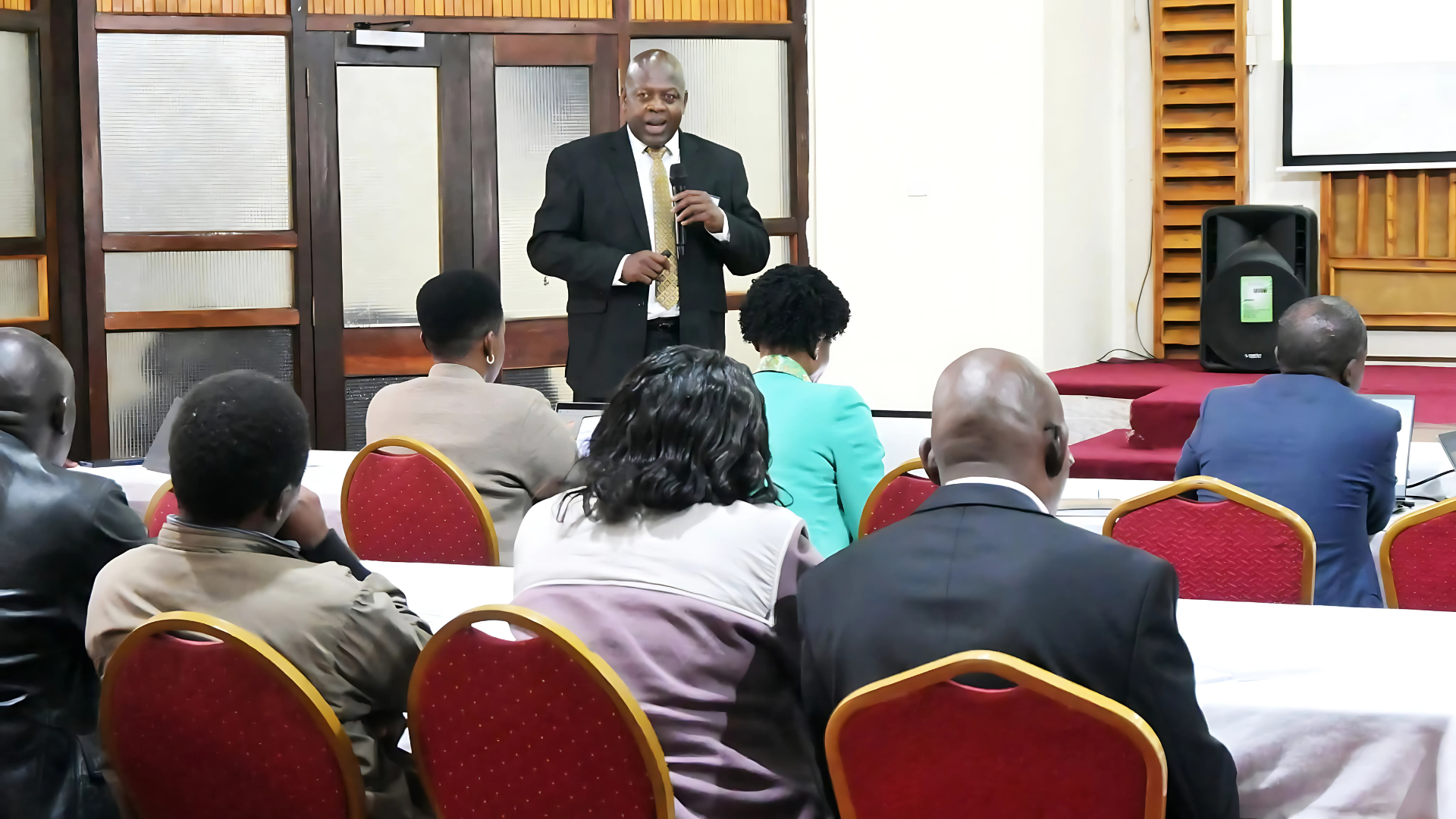
The launch of the CBET sensitization training marks a pivotal moment for MMU, a public university known for its focus on technology, media, and innovation. The program, which began with an opening session attended by over 200 academic staff members, is part of a broader effort to comply with the Kenya National Qualifications Framework (KNQF) and the Competency-Based Curriculum (CBC) introduced in primary and secondary schools. “CBET is not merely a curriculum change,” Prof. Maranga’s speech emphasized. “It represents a strategic shift toward a practical, skill-driven approach to teaching and learning, ensuring our graduates are equipped to meet the demands of the modern workforce.” The training, facilitated by experts from the Technical and Vocational Education and Training Authority (TVETA) and MMU’s Centre for Teaching Excellence, will run for two weeks, covering curriculum design, assessment techniques, and industry collaboration.
CBET, a cornerstone of Kenya’s Vision 2030, seeks to produce graduates with hands-on skills tailored to industry needs, addressing the longstanding mismatch between academic training and job market requirements. Unlike traditional education systems, which emphasize theoretical knowledge and examinations, CBET focuses on measurable competencies, such as problem-solving, teamwork, and technical proficiency. For MMU, whose programs range from engineering and ICT to journalism and business, this shift requires a fundamental rethinking of pedagogy. “Our lecturers must become facilitators of learning, not just deliverers of content,” said Prof. Ngoo during the opening session. “This training will empower them to create learning environments where students can thrive.”
The sensitization program is structured in phases, beginning with an introduction to CBET principles and progressing to practical workshops on developing competency-based curricula. Lecturers will learn to design courses that integrate real-world projects, internships, and industry partnerships, ensuring students gain skills directly applicable to their fields. “In journalism, for instance, students won’t just study media theory,” said Dr. Esther Mwangi, a senior lecturer in MMU’s Faculty of Media and Communication. “They’ll produce actual news content, work with digital tools, and collaborate with media houses.” Similar approaches will apply to engineering students building prototypes or ICT students developing software solutions, aligning with CBET’s emphasis on experiential learning.
The training also addresses assessment, a critical component of CBET. Traditional exams will give way to continuous evaluation methods, such as portfolios, practical demonstrations, and peer reviews. “We’re moving away from cramming for tests,” said Prof. Ngoo. “Under CBET, a student’s ability to apply skills in real-world scenarios is what matters.” To support this, MMU is upgrading its facilities, including labs and studios, to provide hands-on training environments. The university has also partnered with industry players like Safaricom, Nation Media Group, and Kenya Power to offer mentorship and internship opportunities, ensuring curricula reflect current market needs.
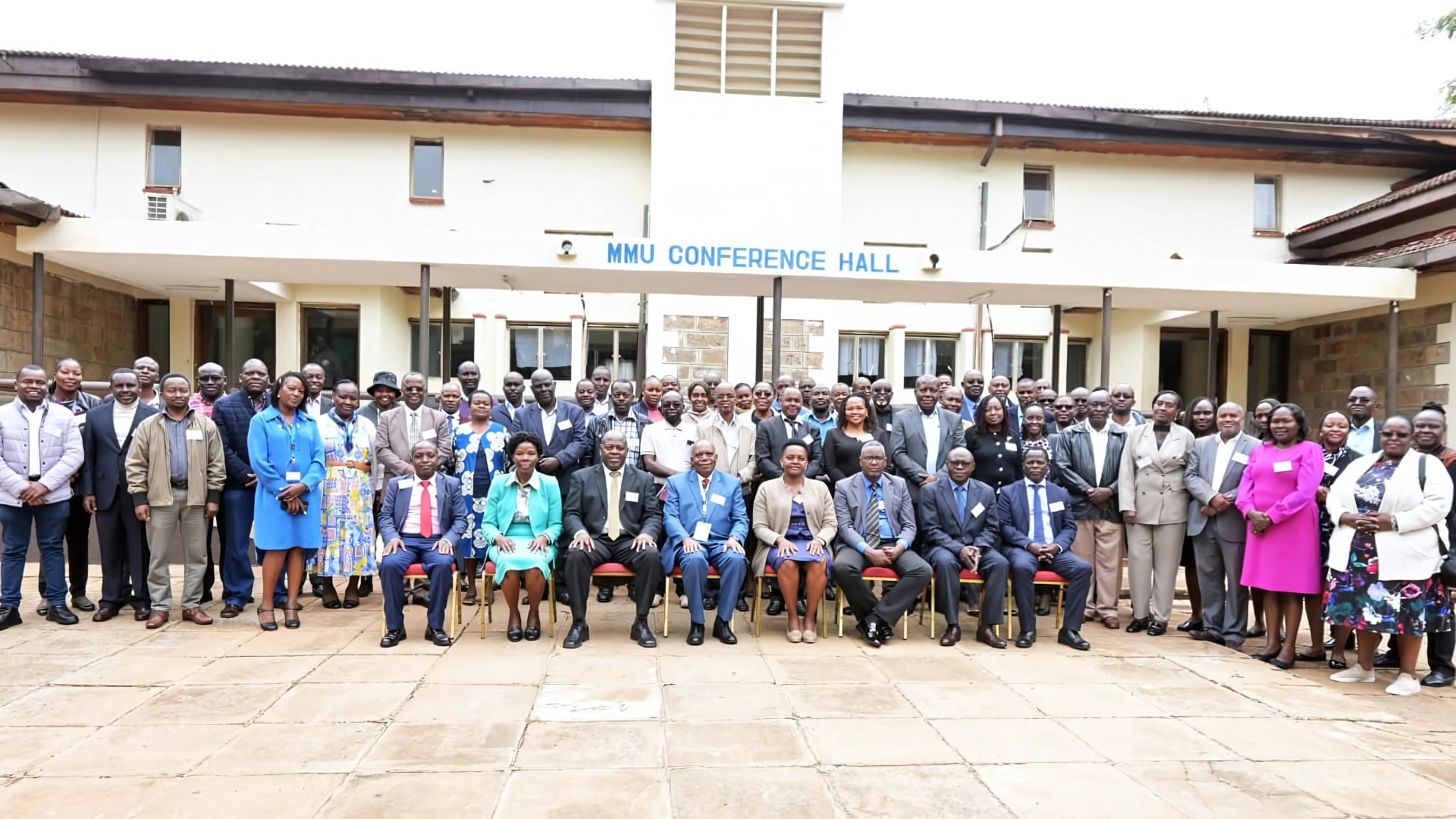
The initiative has been met with enthusiasm among faculty, though some express concerns about the transition. “CBET sounds promising, but it’s a big change,” said James Otieno, a lecturer in the Faculty of Computing and Information Technology. “We’ll need ongoing support to make it work.” The university has committed to providing continuous professional development, with follow-up workshops planned through 2026. TVETA facilitators, including curriculum specialist Mary Wanjiku, emphasized the importance of faculty buy-in. “Lecturers are the backbone of CBET,” she said during a training session. “Their ability to embrace this system will determine its success.”
MMU’s adoption of CBET aligns with national efforts to reform education. Since the introduction of CBC in 2017, Kenya has been transitioning toward a system that nurtures competencies from early childhood through tertiary levels. Universities, however, have lagged behind, with many still relying on lecture-based models. “MMU is setting a pace for others,” said Dr. John Mwangi, an education policy analyst in Nairobi. “By training its staff now, it’s ensuring a smooth transition for students entering from CBC secondary schools.” The first cohort of CBC students is expected to join universities in 2029, making MMU’s preparedness timely.
The training also reflects MMU’s commitment to addressing Kenya’s socio-economic challenges. With a youth unemployment rate of 12%, and 68% of jobless individuals aged 15–34, CBET aims to produce graduates who can create jobs or meet employer needs. “Our goal is to produce innovators, not just employees,” said Prof. Maranga in her speech. MMU’s Faculty of Engineering, for instance, plans to incorporate entrepreneurship modules, teaching students to develop and market tech solutions. Similarly, the Faculty of Business and Economics will emphasize financial literacy and startup management, preparing students to navigate Kenya’s growing gig economy.
Students have welcomed the shift, seeing it as a pathway to better opportunities. “I want skills that make me employable,” said Mercy Achieng, a third-year computer science student. “If CBET means I can work on real projects with companies, I’m all for it.” The university has begun piloting CBET in select programs, such as software engineering and media production, with plans to roll it out across all faculties by September 2026. These pilot projects have already yielded positive results, with students producing marketable prototypes and media content during their coursework.
The training program also emphasizes inclusivity, ensuring CBET benefits students from diverse backgrounds. MMU, which serves a significant number of students from marginalized regions, is tailoring its curricula to address local needs. For example, engineering students in arid areas like Kitui will focus on renewable energy projects, while media students in coastal regions will explore tourism-related content creation. “CBET allows us to contextualize education,” said Dr. Mwangi. “We’re training students to solve problems in their own communities.”
Challenges remain, including resource constraints and resistance to change. Upgrading facilities and hiring additional staff to support smaller, hands-on classes will strain MMU’s budget, already stretched by government funding delays. “We’re investing heavily, but we need more support,” admitted Prof. Ngoo. The university is exploring partnerships with private sector players and international donors to bridge the gap. Faculty concerns about increased workloads under CBET are also being addressed through incentives like reduced teaching hours for training participants.
The broader implications of MMU’s initiative extend beyond its campus. As one of Kenya’s leading public universities, MMU’s success could serve as a model for others, influencing how tertiary institutions adapt to CBET. “This is a national project,” said Wanjiku. “If MMU gets it right, it could inspire a wave of reform across the sector.” The training also positions MMU to attract more students, particularly those seeking practical, job-ready skills. With enrollment at 6,000 and growing, the university aims to become a hub for innovation and entrepreneurship.
Community engagement is another focus, with MMU planning to involve local industries in curriculum development. “We’re not working in isolation,” said Prof. Ngoo. “Our programs will reflect what employers need.” The university has established an Industry Advisory Board, comprising representatives from tech, media, and engineering firms, to ensure alignment with market trends. This collaboration will also facilitate job placements, addressing the 80% employability gap reported among Kenyan graduates in 2024.
As the training progresses, MMU’s faculty are optimistic about the future. “This is a chance to redefine education,” said Otieno. “It’s challenging, but it’s worth it for our students.” The university’s leadership remains committed, with Prof. Maranga calling CBET “a legacy project” that will shape MMU’s identity for decades. For Kenya, the initiative represents a step toward an education system that empowers its youth to drive economic growth and innovation. “We’re building a future where skills matter more than certificates,” said Prof. Ngoo. As MMU leads the way, its efforts could herald a new era for higher education in Kenya.