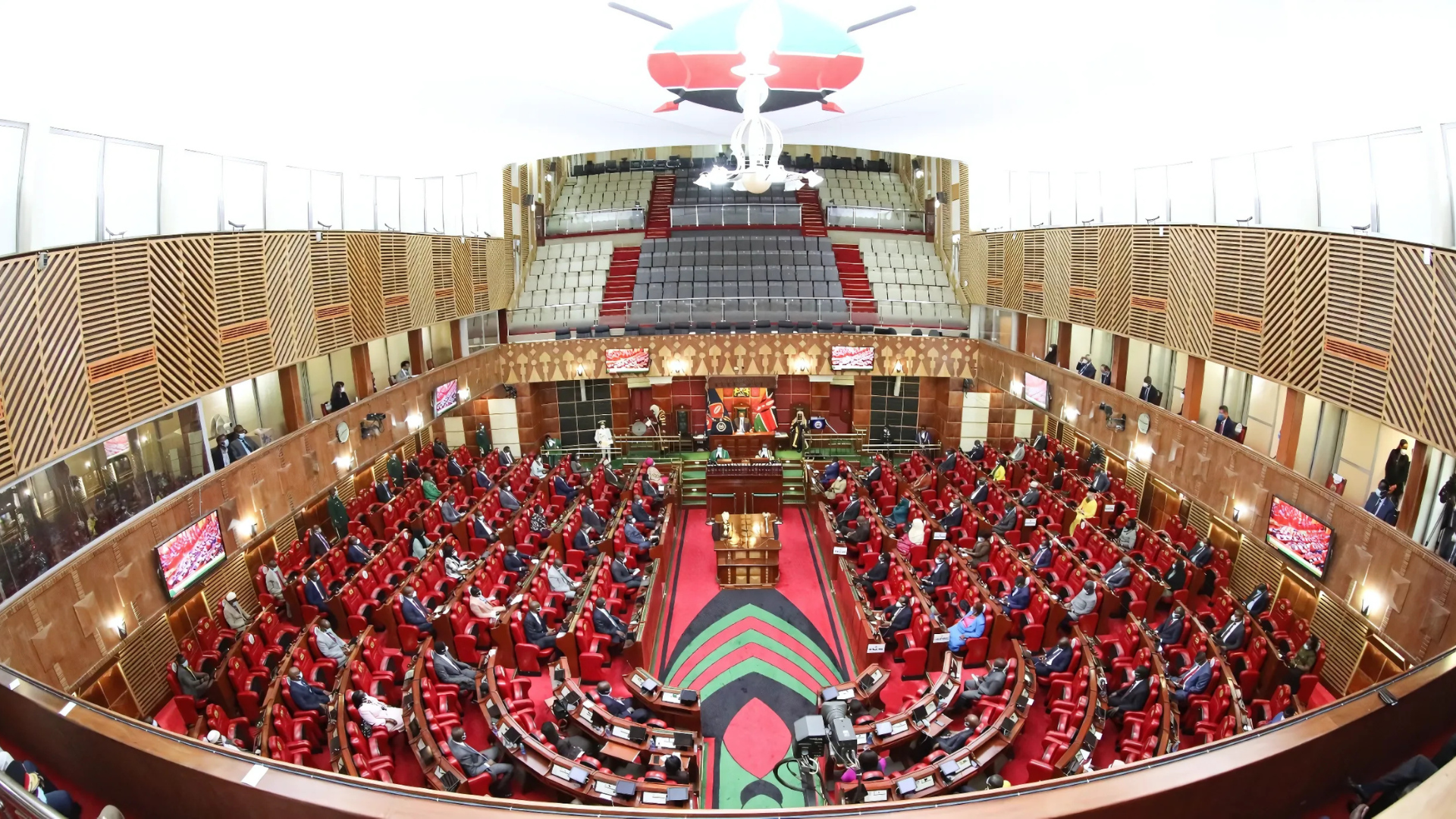
A sense of urgency gripped Kenya’s legislative corridors this morning, Wednesday, July 30, 2025, as Members of Parliament issued a directive to the Teachers Service Commission (TSC), Public Service Commission (PSC), and Salaries and Remuneration Commission (SRC), granting them a one-month deadline to explain the criteria used to determine hardship allowances. The decision, announced during a heated session of the National Assembly Committee on Implementation at 10:00 AM East Africa Time, follows growing concerns over the fairness and transparency in distributing these allowances to teachers and other public officers. The move comes amid public frustration over perceived inequities, with rural communities feeling overlooked while urban areas reap benefits. “We need clear answers on how these allowances are decided,” a committee chairperson said, addressing the packed chamber. The directive has sparked widespread discussion across the country, with citizens and officials weighing its potential impact.
The issue of hardship allowances has long been a point of contention, particularly for teachers stationed in remote or challenging environments where access to basic amenities is limited. The TSC, responsible for teacher deployment and remuneration, has faced accusations of uneven distribution, with some alleging that urban teachers are posted to rural hardship zones to claim higher pay, sidelining local educators. The PSC oversees public officers across various sectors, while the SRC sets remuneration frameworks, creating a complex web of decision-making that MPs now seek to unravel. The one-month timeline, set to conclude on August 29, 2025, mandates the agencies to submit a detailed report outlining their methodologies. A farmer in Nakuru, irrigating his fields, remarked, “If they fix this, maybe our teachers will stay in the villages.” The directive reflects a broader push to address disparities amid Kenya’s economic challenges, including a Sh10 trillion public debt and 5.5% inflation.
Public reaction has been a mix of anticipation and skepticism. In Kisumu, a teacher preparing lessons listened to the radio, saying, “This could finally bring fairness if they listen to us in the countryside.” In Mombasa, a shopkeeper serving customers expressed doubt. “Will they really change anything, or is this just talk?” he asked as the news played. The concerns stem from reports of teachers in arid regions like Turkana receiving the same or less than colleagues in towns with better infrastructure, prompting calls for a reassessment of hardship zone classifications. The committee highlighted cases where schools in interior areas lack staff, while urban centers are oversupplied, fueling perceptions of bias. A youth leader in Naivasha, organizing a community meeting, added, “We need a system that reflects the real struggles out here.”
The directive follows a series of public petitions and parliamentary debates, with MPs citing examples of inconsistency in allowance allocation. Teachers in Kilifi have complained about inadequate compensation despite harsh working conditions, while officers in Nairobi receive hardship pay despite urban amenities. The TSC, PSC, and SRC are expected to collaborate, drawing on data from field assessments and past remuneration reviews to justify their criteria. The process will involve explaining factors like access to healthcare, transport, and security, which define hardship zones. A driver in Garissa, fueling his matatu, noted, “If they map our area right, we might see better pay for our workers.” The agencies have until late August to respond, with the committee threatening further action if the report falls short.
Communities across Kenya have begun discussing the implications. In rural Kitale, a herder paused to hear a radio broadcast, saying, “Our teachers deserve more for the dust they eat daily.” In urban Eldoret, a student at a cyber cafe scrolled through updates, adding, “This could shake up how money is shared.” The TSC has historically classified 44 areas as hardship zones, a list that some argue is outdated given recent infrastructure improvements. The PSC and SRC, meanwhile, use different metrics, leading to a patchwork of policies that MPs now seek to harmonize. A mother in Nyeri, feeding her children, expressed hope. “If they get this right, it could help our schools,” she said, clearing the table. The directive aims to ensure allowances reflect current realities.
The morning’s announcement drew diverse responses. In Thika, a father waiting at a clinic said, “My cousin teaches in a dry area; he needs this support.” In Baringo, a community elder leading a discussion noted, “We’ve waited years for fairness.” The TSC has promised to engage with teachers’ unions to gather input, while the PSC plans to consult county governments. The SRC, tasked with setting rates, will need to justify why some regions receive higher allowances despite similar conditions elsewhere. A health worker in Kisii, coordinating a vaccination drive, added, “Transparency here could build trust in the system.” The one-month deadline pressures the agencies to act swiftly, with public scrutiny intensifying.
As the day progressed, the story spread to remote areas. In Marsabit, a herder listening to a radio update said, “This might finally value our tough lands.” In Mombasa’s markets, a vendor packing fish asked, “Will urban folks lose their extra pay?” The committee’s move follows a petition from Kajiado East MP, who alleged that teachers from urban areas are strategically deployed to rural hardship zones for financial gain, displacing locals. The TSC defends its process, citing collective bargaining agreements, but MPs demand a deeper look. A youth leader in Naivasha, reflecting on the news, said, “This is a chance to fix a broken system.” The agencies must balance fiscal constraints with the need for equity.
The afternoon brought a reflective mood to offices and homes. In Eldoret, a public servant preparing a report said, “This could streamline allowances if done well.” In Kisumu, a mother checking on her family added, “I hope it helps teachers like my brother.” The directive requires the agencies to detail how environmental factors, security, and social amenities inform their decisions, addressing complaints of arbitrariness. Economic analysts suggest the review could save funds by eliminating unjustified payments, redirecting resources to underserved areas. A community organizer in Turkana, planning a radio talk, remarked, “We need a fair fight for our people.” The process tests Kenya’s commitment to equitable public service.
Legal experts see the directive as a call for accountability, with a lawyer in Nairobi discussing over tea noting, “This could force a rethink of past policies.” The TSC’s role in deployment and the SRC’s rate-setting have been under scrutiny, with the PSC mediating disputes. A vendor in Timau, closing his stall, said, “Let’s hope they don’t just delay with reports.” The public expects the report to include data on current recipients and proposed changes, a task complicated by differing regional needs. A father in Nyahururu, walking home with his family, added, “Our teachers deserve recognition for their sacrifices.” The outcome could reshape allowance distribution.
The evening saw continued engagement across the country. In Nakuru, a group at a market debated the news. “Will this mean more money for us?” one trader asked, sorting vegetables. In Nairobi’s cyber cafes, a student scrolling through updates noted, “People are watching this closely.” The committee plans public hearings post-submission to validate the agencies’ findings, ensuring community input. A youth leader in Kitale, organizing an event, reflected, “This could empower rural voices if they listen.” The directive, issued at a time of economic strain, underscores a push for fairness, with the August deadline looming as a critical juncture for reform.
The issue resonates with broader governance concerns, as citizens demand transparency amid rising living costs. In rural areas like Kitale, a farmer tending fields said, “Our teachers face floods and heat; they need this pay.” In urban centers like Mombasa, a vendor packing goods added, “But don’t take from us who work hard too.” The TSC, PSC, and SRC must navigate these tensions, with the report due to address historical disparities and current needs. A community elder in Nakuru, leading a discussion, concluded, “This is about justice for every worker.” As Kenya awaits the agencies’ response, the directive signals a potential turning point in public sector equity.