The Office of the Director of Public Prosecutions (ODPP) announced a pivotal decision in a case that has gripped Kenya, approving murder charges against Police Constable Klinzy Masinde Baraza for the fatal shooting of 22-year-old mask vendor Boniface Kariuki Mwangi in Nairobi’s Central Business District (CBD) on June 17. The incident, captured on video and widely circulated online, sparked nationwide outrage and intensified demands for accountability amid ongoing protests against police brutality. Baraza’s colleague, Police Constable Duncan Kiprono, who was also implicated in the initial investigation, was released without charges after the ODPP determined there was insufficient evidence to prosecute him. The ruling marks a significant step in addressing allegations of excessive force during the June protests, which were fueled by the controversial death of blogger Albert Ojwang in police custody.
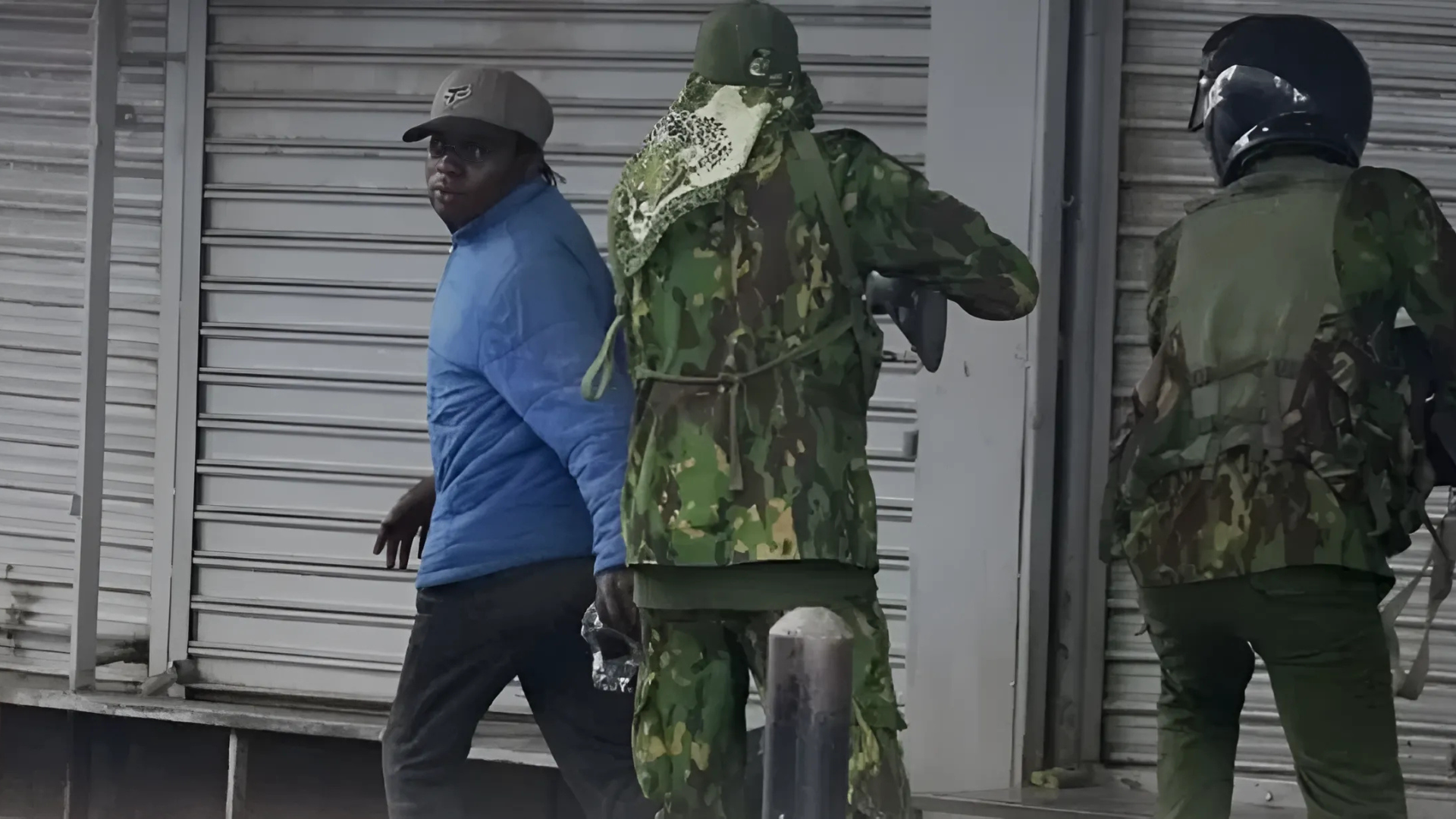
The tragic shooting occurred along Mondlane Street near Imenti House, a bustling commercial hub in Nairobi, during demonstrations sparked by public anger over Ojwang’s death. Kariuki, a hawker from Murang’a County, was selling surgical masks to passersby when he was confronted by Baraza and Kiprono, both attached to Kileleshwa Police Station. Eyewitness accounts and viral footage depict a chilling sequence: Kariuki, holding a packet of masks in one hand, raised his other hand defensively as the officers approached. Moments later, Baraza allegedly fired a shot at close range, striking Kariuki near the left temple. “He was just selling masks, trying to make a living,” said Jane Atieno, an eyewitness who witnessed the assault. “They surrounded him, and one shot him without warning.” Kariuki was rushed to Kenyatta National Hospital (KNH), where he underwent emergency surgery but succumbed to his injuries on June 30 after nearly two weeks on life support.
The ODPP’s decision followed a thorough investigation by the Independent Policing Oversight Authority (IPOA) and the Directorate of Criminal Investigations (DCI) Homicide Team, which began immediately after the shooting. The investigation included analyzing video footage, collecting witness statements, and conducting ballistic tests on the firearm used. “The evidence clearly points to Constable Baraza as the officer who fired the fatal shot,” an IPOA official stated during a press briefing. “There was no justification for the use of lethal force against an unarmed civilian.” The decision to free Kiprono was based on findings that he did not discharge his weapon or directly contribute to Kariuki’s death, though he was present during the incident. “Kiprono’s role was limited to the initial confrontation, and the evidence does not support charging him,” the ODPP clarified in its statement.
Kariuki’s death, declared brain death by KNH doctors on June 29, became a rallying cry for Kenya’s Gen Z-led protest movement, which has demanded justice for victims of police violence and systemic reforms. The protests, initially triggered by Ojwang’s death on June 8, highlighted grievances over a KSh11.36 trillion public debt, 67 percent youth unemployment, and allegations of state-sponsored abductions. Kariuki’s family, devastated by the loss of their only son, has been vocal in their pursuit of justice. “Boniface was our hope, our firstborn,” said his mother, Susan Njeri, clutching a photo of her son outside KNH. “He was not a protester, just a vendor. Why did they take him from us?” His father, Jonah Kariuki, added, “The officer who shot my son must face the full weight of the law. No family should endure this pain.”
The case has drawn widespread condemnation from human rights organizations and political leaders. The Kenyan Section of the International Commission of Jurists (ICJ-Kenya) described the shooting as “a malicious act against an unarmed civilian,” calling for an expedited trial. The Law Society of Kenya (LSK) president, Faith Odhiambo, labeled Baraza and Kiprono as “the face of impunity” within the National Police Service (NPS), urging that the case serve as a deterrent for other officers. “This was not an accident but a premeditated act,” Odhiambo said, referencing the viral video showing Baraza firing at Kariuki as he attempted to walk away. On X, the hashtag #JusticeForBonifaceKariuki trended, with users posting, “No more police impunity. Boniface deserved to live,” and “Klinzy Baraza must answer for this crime.”
Baraza and Kiprono were arrested on June 18, a day after the shooting, and interdicted by the NPS. They appeared at the Milimani Law Courts on June 19, where Magistrate Benmark Ekhubi ordered their detention for 15 days to allow IPOA to complete its investigation. On July 3, the court extended their detention for another seven days, citing the need for forensic reports and witness statements. The ODPP’s approval of murder charges against Baraza now sets the stage for a high-profile trial, with the officer facing up to life imprisonment if convicted. “We are committed to ensuring justice is served,” said State Counsel Victor Owiti, who has led the prosecution’s efforts. “The evidence is overwhelming, and we will pursue this case diligently.”
The decision to release Kiprono has sparked debate, with some activists arguing it undermines accountability. “Both officers were involved in the assault,” said Wanjiku Thiga, National Youth Leader of the Democracy for the Citizens Party. “Letting one go sends a mixed message.” Others, however, see the ODPP’s decision as a sign of precision in the investigation. “The focus is on the officer who pulled the trigger,” said a Nairobi-based legal analyst. “Kiprono’s release shows they’re following the evidence, not public pressure.” The NPS, through spokesperson Muchiri Nyaga, expressed regret over the incident, describing it as “unjustified” and assuring the public that internal disciplinary measures would complement the legal process.
Kariuki’s family has faced significant challenges since the shooting, including a hospital bill exceeding KSh3 million. Family spokesperson Emily Wanjira appealed for public support, noting that the government had offered little assistance despite President William Ruto’s pledge of KSh1 million, which the family has yet to confirm receiving. “We are struggling to give Boniface a decent burial,” Wanjira said, adding that his funeral is scheduled for July 11 in Kangema, Murang’a County. A delegation of MPs, including Murang’a Woman Representative Betty Maina, visited the family, promising government support. “Boniface was an honest youth whose life was cut short,” Maina said. “We will ensure his family is not abandoned.”
The case has amplified calls for police reform, particularly in the context of Kenya’s ongoing protests. The June 17 demonstrations were part of the #JusticeForOjwang movement, which demanded accountability for the blogger’s death, allegedly from assault wounds in custody. Six individuals, including three police officers, have been charged in connection with Ojwang’s murder, and Deputy Inspector General Eliud Lagat has stepped aside pending investigation. The broader protest movement, driven by Gen Z, has also criticized the government’s handling of economic issues and alleged abductions, with over 80 cases reported since June 2024. “Boniface’s death is a symptom of a broken system,” said a protester in Nairobi. “We won’t stop until justice is served for all victims.”
The government has faced mounting pressure to address police brutality, with foreign embassies and rights groups urging transparency. The NPS has promised to cooperate with IPOA, but public trust remains low, particularly after incidents like the storming of the Kenya Human Rights Commission offices by masked individuals on July 6. President Ruto, speaking at a development event, called for calm but avoided directly addressing Kariuki’s case, focusing instead on economic initiatives like the ClimateWorx program. Critics, including opposition leader Rigathi Gachagua, have accused the government of deflecting responsibility. “The state cannot hide behind promises while our youth are dying,” Gachagua said at a July 8 rally.
As Baraza awaits trial, the case underscores Kenya’s struggle with police accountability and the right to protest. The viral video of Kariuki’s shooting, showing an orange muzzle flash as he fell, has become a symbol of the broader fight against impunity. “This is not just about Boniface,” said activist Okiya Omtatah. “It’s about every Kenyan who deserves to live without fear of those meant to protect them.” With the nation watching, Kariuki’s family and supporters hope the trial will deliver justice and set a precedent for holding officers accountable in a country grappling with unrest and demands for change.