A significant development in Kenya’s infrastructure landscape unfolded this morning, Wednesday, August 13, 2025, as the government moves closer to finalizing a deal to hand over freight operations of the Standard Gauge Railway (SGR) to the United Arab Emirates’ Etihad Rail. The agreement, announced at 9:20 AM East Africa Time during a press briefing in Nairobi, aims to secure Sh517 billion to fund the extension of the railway line from Naivasha to Kisumu and Malaba. This strategic partnership will see Etihad Rail invest in cargo assets, including locomotives and wagons, while Kenya Railways retains control over the infrastructure. "This collaboration will unlock new opportunities for trade and growth," Transport Cabinet Secretary Davis Chirchir said, addressing a room of journalists and stakeholders. The move has ignited discussions across the country, blending economic optimism with questions about sovereignty and implementation.
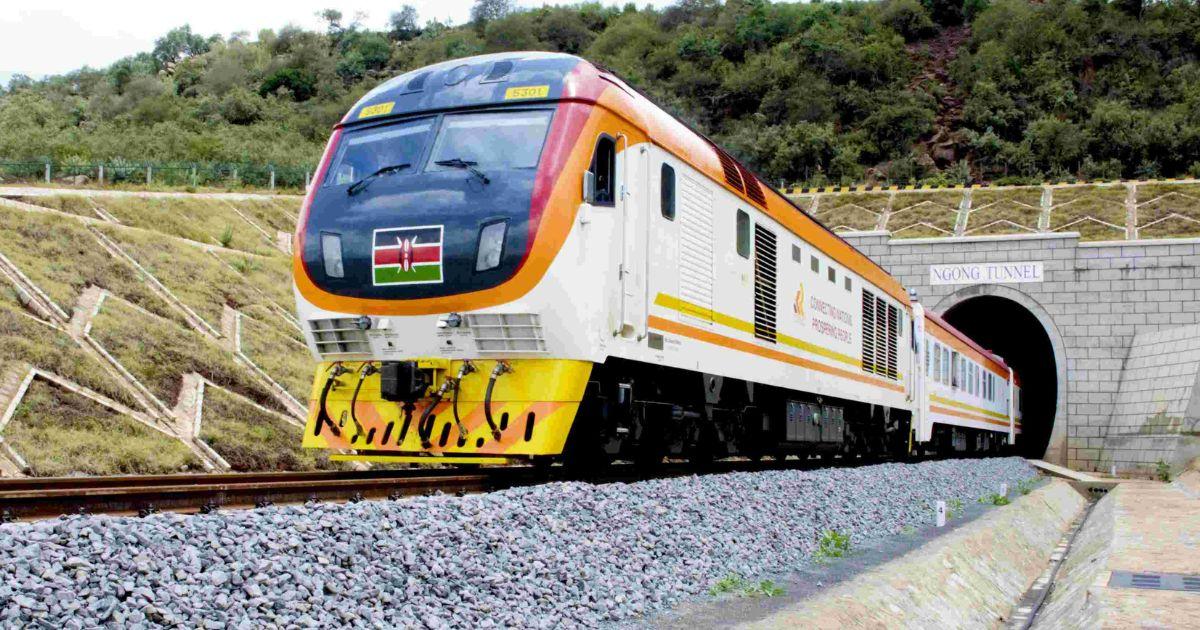
The SGR, a cornerstone of Kenya’s Vision 2030 development plan, has transformed transportation since its first phase connected Mombasa to Naivasha in 2019. The proposed extension to Kisumu and Malaba, a distance of approximately 500 kilometers, seeks to enhance regional connectivity, linking Kenya to Uganda and beyond. The Sh517 billion funding gap, a critical hurdle, will be met through this partnership, with Etihad Rail committing to operational investments. A trader in Kisumu, stacking goods near the railway line, remarked, "If this extension happens, my business will grow with faster deliveries." The deal marks a shift from previous Chinese financing, raising hopes for economic diversification.
Public response has been a mix of enthusiasm and concern. In Mombasa, a fisherman mending nets caught the news on a community radio and said, "This could bring more trade if they deliver." Etihad Rail’s role will focus on managing freight services, targeting an annual volume of 17 million metric tonnes to ensure profitability. Kenya Railways will oversee maintenance and infrastructure, preserving national ownership. The funding will partly come from securitizing the 2% Railway Development Levy, generating Sh50 billion annually. A youth leader in Naivasha, organizing a town hall, added, "We support progress, but we need transparency on terms." The deal’s finalization is expected within weeks, pending cabinet approval.
The morning’s announcement drew varied reactions. In Thika, a mother preparing breakfast for her children said, "My husband works near the tracks; this could mean jobs." In Baringo, a farmer tending cattle noted, "The extension will help us send goods to market." The Sh517 billion investment will cover construction costs, with Etihad’s cargo assets including modern rolling stock to boost efficiency. The partnership aims to reduce reliance on road transport, cutting costs for businesses. A driver in Garissa, waiting for passengers, remarked, "Faster trains mean less wear on our roads." The deal reflects a pragmatic approach to infrastructure financing.
As the day progressed, the story reached remote areas. In Marsabit, a herder listening to a radio update said, "This could connect us better if it reaches Malaba." In Mombasa’s markets, a vendor sorting fish asked, "Will Etihad charge us more for freight?" The Naivasha-Kisumu-Malaba line will position Kenya as a regional trade hub, linking to South Sudan and Ethiopia. Kenya Railways’ retention of infrastructure control ensures strategic oversight, with plans for local training programs. A shopkeeper in Homa Bay, preparing for the Devolution Conference, noted, "This could boost our economy if managed well." The investment underscores long-term planning.
The afternoon brought a reflective mood to offices and homes. In Eldoret, a teacher grading papers said, "This could create jobs if they hire locally." In Kisumu, a father checking on his family added, "But we must watch how much control UAE gets." The Sh517 billion will be raised through a mix of securitization and private investment, with Etihad’s cargo assets valued at over Sh100 billion. The deal includes performance clauses, requiring Etihad to meet freight targets. A community organizer in Turkana, planning a radio discussion, remarked, "We need details to trust this fully." The partnership tests Kenya’s economic strategy.
Experts see potential and risks. In Nairobi, an economist sipping tea said, "This could ease debt pressure if executed well." The securitization model converts future levy revenues into upfront capital, avoiding new loans. A vendor in Timau, closing his stall, said, "Let’s hope it lowers our transport costs." Etihad’s expertise in rail logistics, honed in the UAE, promises efficiency, with plans for digital tracking systems. A mother in Nyahururu, walking home with her children, added, "This is progress if it benefits us." The deal marks a pivotal moment in Kenya’s infrastructure journey.
The evening saw continued engagement across the country. In Nakuru, a group at a market debated the news. "Will Kenya lose control?" one trader asked, sorting maize. In Nairobi’s cyber cafes, a student scrolling through updates noted, "People are debating this online." The government plans public forums to explain the deal, ensuring stakeholder input. A youth leader in Kitale, organizing an event, reflected, "This could be a game-changer if we keep oversight." As the agreement nears completion, its success will depend on execution.