Kenya’s commitment to sustainable development and rural transformation received a significant boost on June 23, 2025, with the signing of a Sh16.484 billion ($126.8 million) concessional loan agreement with the International Fund for Agricultural Development (IFAD). The loan, signed in Nairobi by Treasury Cabinet Secretary John Mbadi and IFAD Regional Director Sara Mbago-Bhunu, is set to finance the Integrated Natural Resources Management Programme (INReMP), a transformative initiative targeting ten counties in western and Rift Valley regions. With a 25-year repayment period, a five-year grace period, a 1.41% interest rate, and a 1.39% service charge, the loan represents a strategic investment in addressing environmental degradation, climate change, and rural poverty. As Kenya navigates economic challenges and seeks to stabilize its growth, this agreement underscores the government’s focus on sustainable livelihoods and ecological resilience.
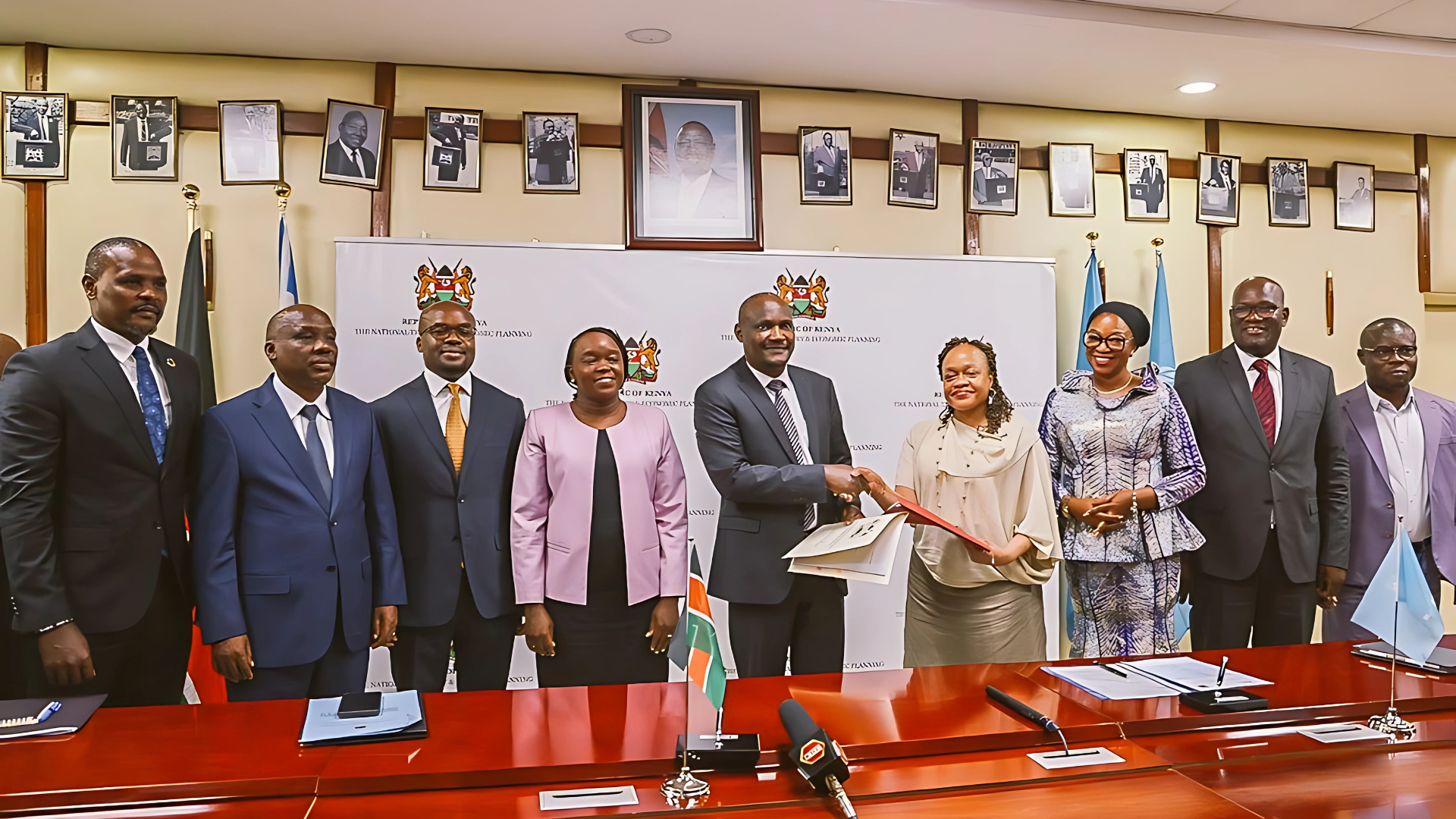
The INReMP will be implemented in Elgeyo Marakwet, West Pokot, Trans Nzoia, Uasin Gishu, Nandi, Kakamega, Kericho, Kisumu, Homa Bay, and Migori, regions critical to Kenya’s agricultural productivity and water supply systems. These counties, encompassing the Cherangany Hills and Mau West regions, are vital catchment areas for rivers that sustain millions of livelihoods. “This programme is not just about conserving the environment; it’s about securing the livelihoods of our rural communities,” said Mbadi during the signing ceremony. “It’s a promise to restore our forests, protect our water bodies, and build a future where our children can thrive.” The initiative is expected to directly benefit over two million people, including smallholder farmers, women, and youth, by promoting climate-resilient practices and nature-based enterprises.
The loan’s favorable terms reflect IFAD’s commitment to supporting low-income countries with affordable financing. The 25-year repayment period, coupled with a five-year grace period, allows Kenya to prioritize implementation without immediate fiscal strain. The 1.41% interest rate and 1.39% service charge are notably low, ensuring that debt servicing remains manageable. “We are proud to partner with Kenya to tackle rural poverty, promote food security, and build climate resilience,” said Mbago-Bhunu. She emphasized that the programme builds on IFAD’s long-standing collaboration with Kenya, which has seen over $100 million invested in rural development projects since 1978.
The INReMP has three core components: community-led environmental management, ecosystem services and climate action, and inclusive rural livelihoods. The first component empowers local communities to manage forests, rangelands, and wetlands through participatory approaches, such as establishing community forest associations. “In Nandi, we’ve lost so much forest cover to illegal logging,” said Jane Chepkwony, a farmer and community leader in the county. “This programme will help us protect what’s left and plant new trees, but we need training to make it work.” The second component focuses on climate-smart agriculture, including water harvesting and soil conservation, to mitigate the impacts of erratic rainfall and droughts. The third component aims to create sustainable income sources through value chains, such as beekeeping, agroforestry, and eco-tourism.
A distinctive feature of INReMP is its public-private partnership (4P) model, which encourages collaboration between government, private sector players, and rural communities. “This approach will scale up successful strategies from past IFAD projects while fostering innovation in nature-based enterprises,” said Environment Principal Secretary Dr. Kipronoh Ronoh. For instance, the programme will support farmers in developing markets for organic produce and sustainable crafts, creating jobs for youth and women. In Homa Bay, where fishing is a key livelihood, INReMP plans to introduce sustainable aquaculture practices to reduce pressure on Lake Victoria’s depleting fish stocks. “I’ve seen my catches dwindle over the years,” said Peter Ochieng, a fisherman in Homa Bay. “If this programme helps us farm fish sustainably, it could change our lives.”
Kenya’s decision to secure this loan comes at a time of heightened economic scrutiny. The country’s public debt has risen significantly in recent years, with loans from institutions like the IMF, World Bank, and African Development Bank totaling over $7.3 billion between 2018 and 2021. Critics argue that additional borrowing risks exacerbating Kenya’s debt burden, particularly as debt servicing costs consume a significant portion of revenue. “We’re borrowing again, but are we sure we can repay?” asked Mary Wanjiku, a Nairobi-based economist. “The terms are good, but we need to see tangible results.” Mbadi countered such concerns, stressing that the loan’s concessional nature and focus on long-term development make it a sound investment. “This is not about piling on debt; it’s about investing in our people and our environment,” he said.
The programme’s focus on climate change is particularly timely, given Kenya’s vulnerability to environmental challenges. Deforestation, soil erosion, and water scarcity have plagued the targeted counties, threatening agricultural productivity and food security. In Migori, for example, farmers have reported declining yields due to erratic rainfall and degraded soils. “We used to harvest enough maize to feed our families and sell the surplus,” said Grace Atieno, a smallholder farmer. “Now, we barely get by. This project needs to bring real solutions.” INReMP aims to address these issues by promoting climate-resilient crops, improving irrigation systems, and restoring degraded lands through reforestation and terracing.
The loan also aligns with Kenya’s Vision 2030 and the Agriculture Sector Transformation and Growth Strategy (2019-2029), which prioritize sustainable agriculture and rural development. By targeting arid and semi-arid regions, INReMP extends IFAD’s support to areas with high poverty rates, where access to financial services and markets is limited. “We’re not just giving farmers tools; we’re building systems that connect them to markets,” said Ronoh. The programme will establish rural resource centers to provide training, credit access, and market linkages, particularly for women and youth entrepreneurs.
Civil society groups have welcomed the initiative but called for transparency in its implementation. “The goals are commendable, but we need clear accountability mechanisms,” said Samuel Kimeu, director of a Nairobi-based environmental NGO. “Past projects have suffered from mismanagement, and we can’t afford that here.” Kimeu urged the government to involve local communities in monitoring the programme to ensure funds are used effectively. The National Treasury has pledged to conduct regular audits, with reports to be tabled in Parliament, to address such concerns.
The INReMP builds on IFAD’s previous successes in Kenya, such as the Mount Kenya East Pilot Project for Natural Resource Management, which supported reforestation and water conservation in the 2000s. “Those projects showed us what’s possible,” said Mbago-Bhunu. “INReMP takes it further by integrating climate action with economic empowerment.” The programme’s emphasis on institutional strengthening will also enhance county governments’ capacity to manage natural resources, with training for local officials and policy support for sustainable land use.
For rural communities, the loan represents hope for a better future. In West Pokot, where pastoralist communities face frequent droughts, INReMP plans to construct water pans and promote drought-resistant fodder crops. “We lose livestock every dry season,” said John Lokwawi, a herder in the county. “If this project brings water and feed, it could save our animals and our way of life.” Similarly, in Kisumu, women’s groups are eyeing opportunities in value-added agricultural products, such as processing mangoes and groundnuts for local and export markets.
As Kenya rolls out INReMP over the next eight years, the programme’s success will depend on effective coordination and community engagement. The government’s partnership with IFAD signals a commitment to balancing economic growth with environmental stewardship, but challenges like corruption and bureaucratic delays loom large. “This is a chance to show that Kenya can lead in sustainable development,” said Mbadi. “We’re not just borrowing money; we’re investing in our people and our planet.”