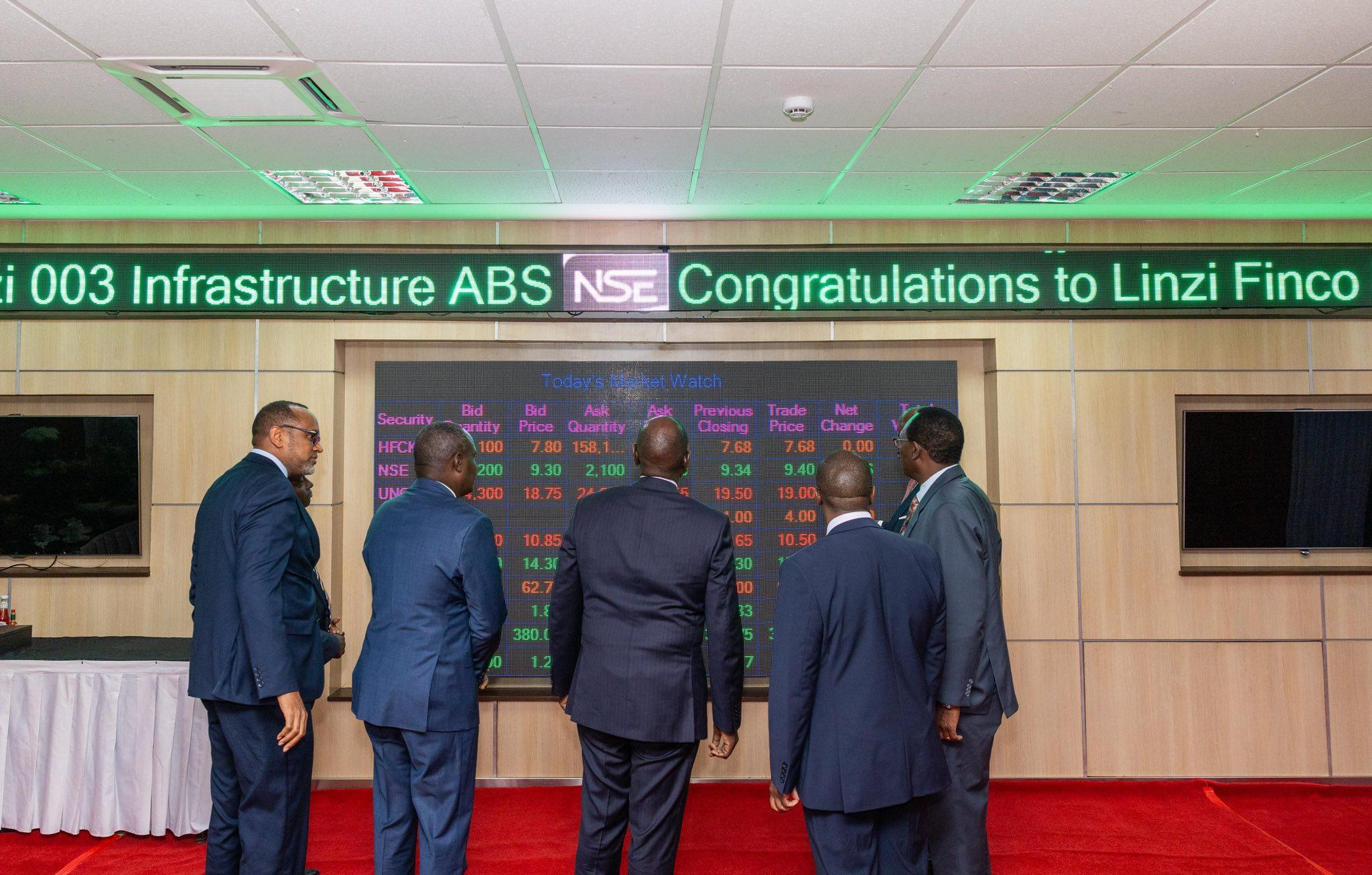
Kenya marked a significant milestone in its infrastructure financing strategy by listing the Linzi 003 Infrastructure Asset-Backed Security (IABS), a KSh 44.7 billion bond, on the Nairobi Securities Exchange (NSE). This bond, issued by Linzi FinCo 003 Trust, aims to fund the construction of the Talanta Sports City Stadium, a 60,000-seater facility designed to host the 2027 Africa Cup of Nations (AFCON), which Kenya will co-host with Uganda and Tanzania. Hailed by President William Ruto as a "landmark achievement," the bond represents a pioneering move in Kenya’s efforts to leverage domestic capital markets for large-scale infrastructure projects, reducing reliance on external borrowing.
The Linzi 003 Bond: Structure and Significance
The Linzi 003 bond, issued by Linzi FinCo 003 Trust—a special-purpose vehicle under the Pan-African Liaison Group—is a 15-year senior secured note with a maturity date in July 2040. It offers investors an internal rate of return (IRR) of 15.04% per annum, with semi-annual principal and interest payments starting in January 2026. The bond is backed by future cash flows from the Sports, Arts, and Social Development Fund (SASDF), a Treasury-supported kitty, and has been rated AA(KE)(IR) by GCR Ratings, indicating strong credit quality. The issuance, which closed on June 30, 2025, achieved a 100.19% subscription rate, attracting KSh 44.88 billion in bids, slightly exceeding the target amount.
The bond’s structure is notable for its innovation. As an Infrastructure Asset-Backed Security (IABS), it is secured against future disbursements from the SASDF, rather than direct government guarantees, which mitigates the risk of adding to Kenya’s public debt. A standby letter of credit from KCB Bank further enhances investor confidence by addressing potential delays in Treasury disbursements. The bond is listed on the NSE’s Restricted Fixed Income Market Sub-Segment, limiting participation to high-net-worth individuals with a minimum investment of KSh 5 million. This restriction has sparked debate about accessibility but underscores the bond’s appeal to sophisticated investors.
President Ruto, during the bell-ringing ceremony at the NSE, described the listing as a testament to Kenya’s growing capacity to mobilize domestic capital for strategic national priorities. He highlighted that the bond aligns with broader financial innovations, such as the government-to-government fuel supply program and asset-backed securitization, which have raised KSh 175 billion off-balance-sheet. These efforts aim to reduce Kenya’s reliance on external loans, lower borrowing costs, and strengthen economic resilience.
Talanta Sports City Stadium: A Flagship Project
The Talanta Sports City Stadium, located along Ngong Road in Nairobi, is Kenya’s first purpose-built international stadium since the Moi International Sports Centre in Kasarani was completed in 1987. Designed to meet FIFA standards, the 60,000-seater facility is being constructed by the China Road and Bridge Corporation (CRBC) and is slated for completion by December 2025. The stadium will serve as a primary venue for the 2027 AFCON, hosting opening and closing ceremonies as well as matches. Beyond AFCON, the stadium is envisioned as a hub for nurturing local talent and hosting global tournaments, aiming to restore Kenya’s reputation as a sporting powerhouse.
The stadium’s design incorporates elements of Kenyan cultural heritage, such as motifs inspired by Maasai shields and spears, symbolizing strength and unity. Unlike other major Kenyan stadiums, it will be a football-only facility, with no athletics track, though adjacent fields will accommodate athletics events. As of April 2025, the project was 37% complete, with the government having paid only 5% of the total construction cost, prompting the contractor to temporarily fund the work. The Linzi 003 bond addresses this funding gap, enabling the project to stay on track for its ambitious timeline.
Financial Innovation and Market Impact
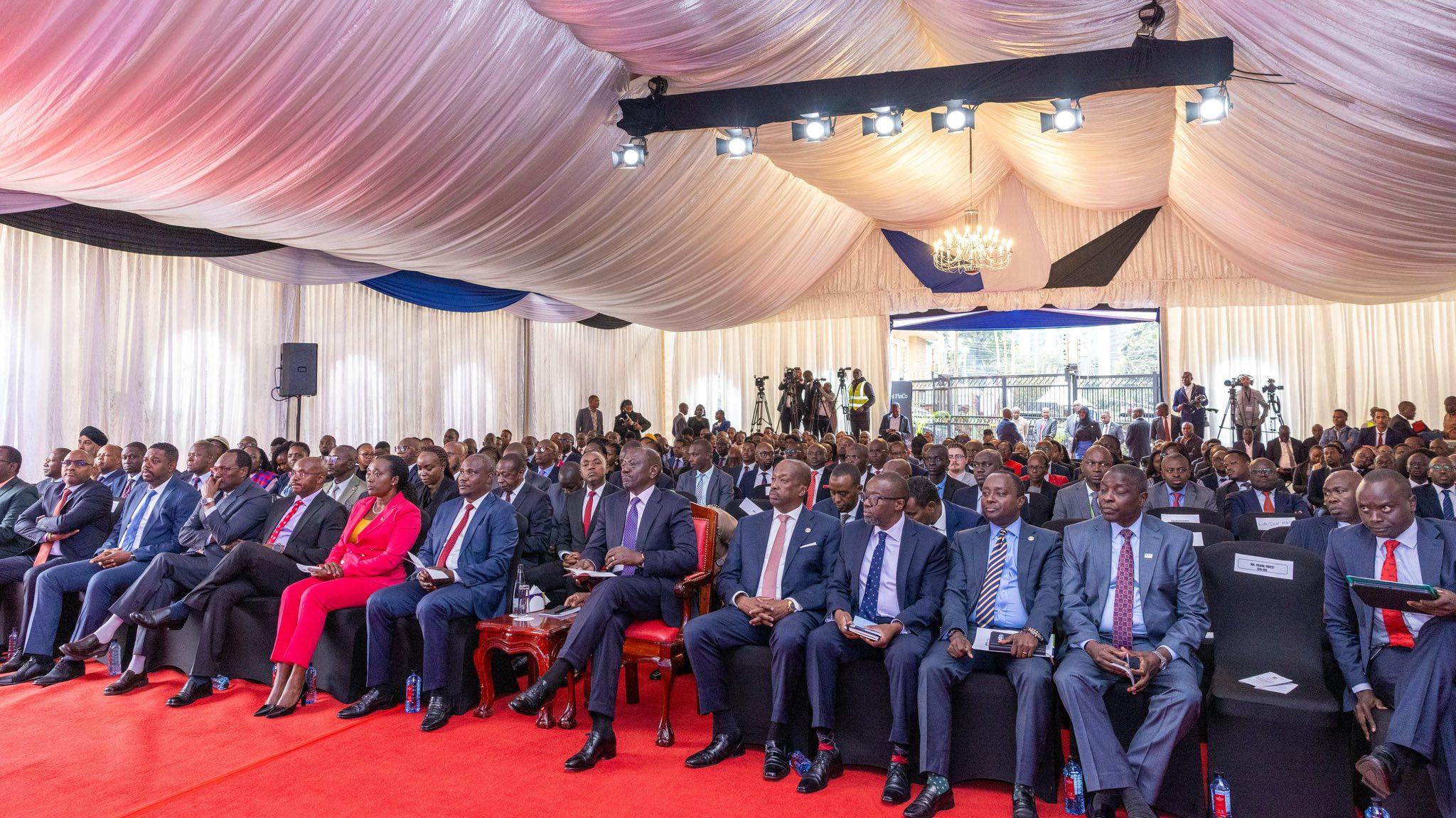
The listing of the Linzi 003 bond is a landmark in Kenya’s capital markets, marking the largest infrastructure-backed transaction in the NSE’s history. It follows other significant listings in July 2025, including a KSh 3 billion Sharia-compliant Linzi Sukuk for affordable housing and the Satrix MSCI World Feeder Exchange-Traded Fund (ETF), which provides local investors access to global equities. These transactions reflect a maturing financial market capable of supporting sophisticated instruments.
The bond’s success, with a subscription rate exceeding 100%, signals strong investor confidence in Kenya’s capital markets and the Talanta Sports City project. Liaison Group CEO Tom Mulwa noted that this transaction is unprecedented in East Africa, comparing it to South Africa’s Gautrain project. The bond’s tax incentives—no withholding tax on interest, no capital gains tax on transfers, and no stamp duty on issuance or redemption—further enhance its appeal, particularly for international investors from countries with double taxation treaties with Kenya, such as the UK, UAE, India, and South Africa.
The government views the Linzi 003 bond as a model for future infrastructure financing. Experts suggest that similar IABS models could be applied to sectors like health, housing, water, and digital infrastructure, leveraging stable revenue streams such as health levies or communications license fees. This approach could transform Kenya’s infrastructure financing by reducing reliance on traditional debt instruments and fostering private-sector partnerships. However, experts caution that success depends on transparency, robust project preparation, and stable revenue streams to maintain investor trust.
Controversies and Criticisms
Despite the enthusiasm surrounding the bond, it has faced significant criticism, particularly regarding its cost. Kiharu MP Ndindi Nyoro, former National Assembly Budget Committee chair, warned that the bond could cost Kenyans up to KSh 100 billion in interest over its 15-year tenor, with semi-annual payments of approximately KSh 3.4 billion. Nyoro described the financing model as “reckless,” accusing the government of operating a “secret book of debt” alongside other initiatives like the fuel levy. He argued that the high interest burden could saddle future generations with significant financial obligations, stating, “Every child born in the next 15 years will have a loan tag for money they have no idea how it was used.”
Public sentiment, as reflected in posts on X and media reports, echoes these concerns. Many Kenyans have questioned the stadium’s projected cost, estimated at KSh 142.1 billion ($1.1 billion) when including interest, comparing it to other global projects like the Emirates Stadium (KSh 66-69 billion) and Manchester United’s Old Trafford regeneration (KSh 200 billion). Critics argue that the cost appears inflated, with some alleging corruption or mismanagement. One X post claimed, “The corruption levels in Kenya are surprising, even Satan himself,” while another suggested a connection between the bond’s KSh 44.8 billion and a similar amount reportedly missing from e-Citizen funds. These claims remain unverified but highlight public skepticism.
The bond’s restricted access, limited to investors with a minimum of KSh 5 million, has also drawn criticism for excluding retail investors, raising questions about inclusivity in Kenya’s capital markets. Additionally, the bond’s denomination in US dollars exposes investors to exchange rate risks, which could deter some participants.
Broader Implications for Kenya’s Economy
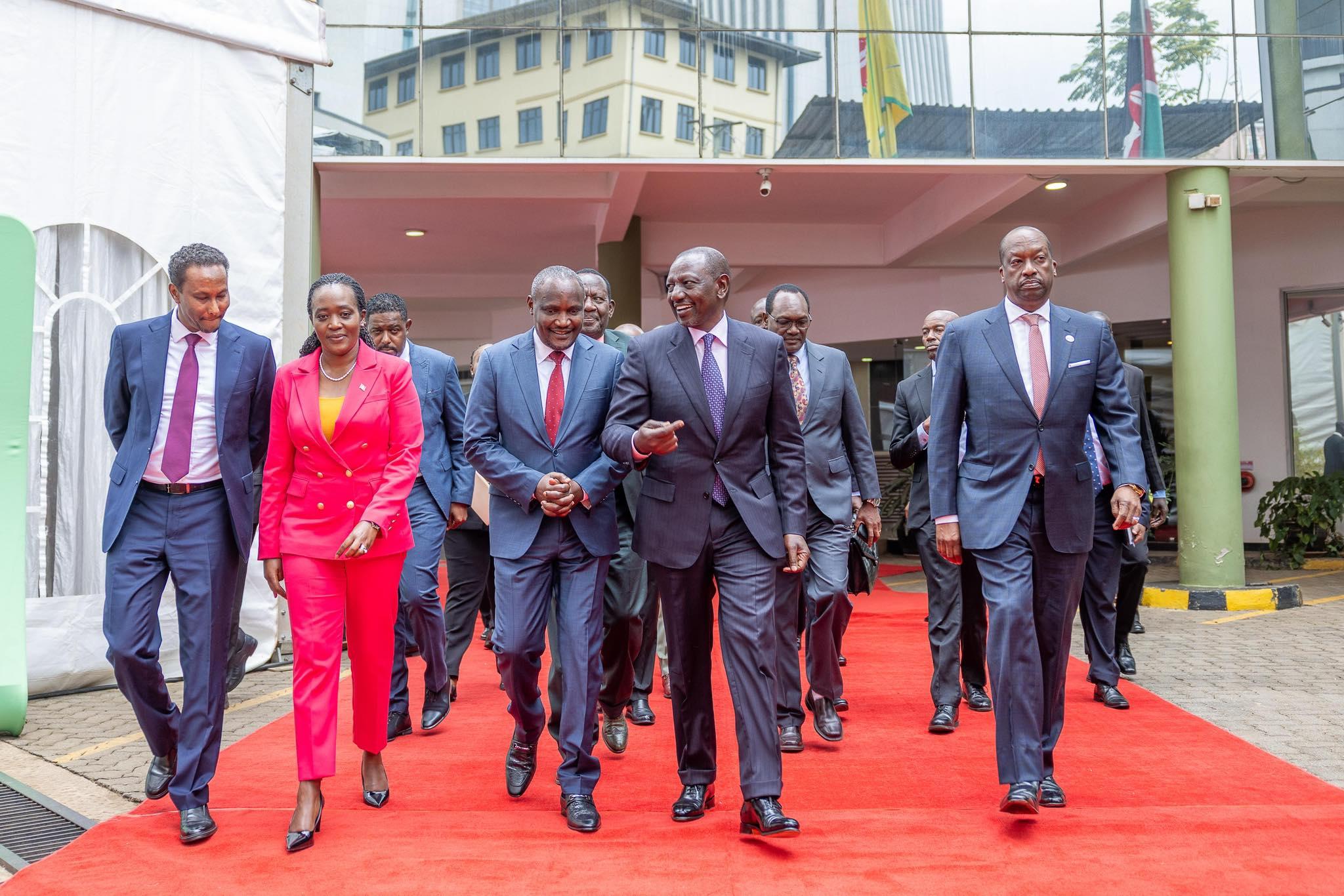
The Linzi 003 bond aligns with President Ruto’s broader economic strategy to diversify funding sources and reduce Kenya’s dependence on external borrowing, which has strained public finances in recent years. By leveraging domestic capital markets, the government aims to stabilize the economy and boost investor confidence, as evidenced by the NSE’s market capitalization reaching KSh 2.5 trillion in 2025. Ruto also announced plans to establish an industry council to guide the listing of state-owned enterprises like the Kenya Pipeline Company (KPC) through Initial Public Offerings (IPOs), further promoting transparency and local ownership.
However, the bond’s success hinges on execution discipline. Poor governance or mismanagement of SASDF disbursements could erode investor trust, increasing future borrowing costs. Analysts emphasize the need for transparency and robust project management to sustain the momentum of structured finance in Kenya. The government’s ability to replicate this model in other sectors could position Kenya as a leader in African infrastructure financing, but it must address public concerns about cost and accountability to maintain credibility.
Babu Owino’s Potential Role as Nairobi Governor
As Nairobi prepares to host AFCON 2027, the Talanta Sports City Stadium will be a flagship project under the city’s leadership. Babu Owino, the Embakasi East MP who has declared his candidacy for Nairobi Governor in 2027, could play a pivotal role in overseeing the stadium’s operations if elected. Owino has criticized the current administration’s handling of Nairobi’s infrastructure, including sports facilities, and has positioned himself as a candidate focused on youth empowerment and efficient governance. His populist appeal and emphasis on addressing mismanagement could resonate with voters concerned about the stadium’s high cost and the transparency of its financing. However, his potential independent candidacy and strained relationship with ODM leadership may complicate his ability to leverage party resources for such projects.
The listing of the KSh 44.7 billion Linzi 003 bond on the NSE represents a bold step in Kenya’s journey toward market-driven infrastructure financing. By funding the Talanta Sports City Stadium, the bond not only supports Kenya’s preparations for AFCON 2027 but also signals a shift toward domestic capital mobilization and financial innovation. While the bond’s structure and investor enthusiasm highlight Kenya’s maturing capital markets, criticisms regarding its cost and accessibility underscore the need for transparency and inclusivity. As Kenya navigates these challenges, the success of the Linzi 003 bond could pave the way for a new era of infrastructure financing, with the Talanta Sports City Stadium serving as a symbol of the country’s sporting and economic ambitions. The project’s outcome, and its management under future leadership, will be closely watched as Kenya strives to balance innovation with accountability.