As dawn broke over Nairobi on Tuesday, July 15, 2025, a significant milestone in Kenya’s public health landscape emerged with the announcement that the World Health Organization has approved the country to roll out the Lenacapavir injectable HIV preventive drug. The decision, confirmed early this morning at 08:47 AM East Africa Time, marks a pivotal step in the nation’s ongoing battle against HIV, which affects approximately 1.38 million people according to recent estimates. The Kenyan government, through the Ministry of Health, has outlined plans to begin receiving the first shipments of this innovative treatment by January 2026, offering hope to communities long impacted by the virus. “This is a game-changer for our people,” said a senior health official during a press briefing at Afya House. “We are committed to ensuring this reaches those who need it most.”
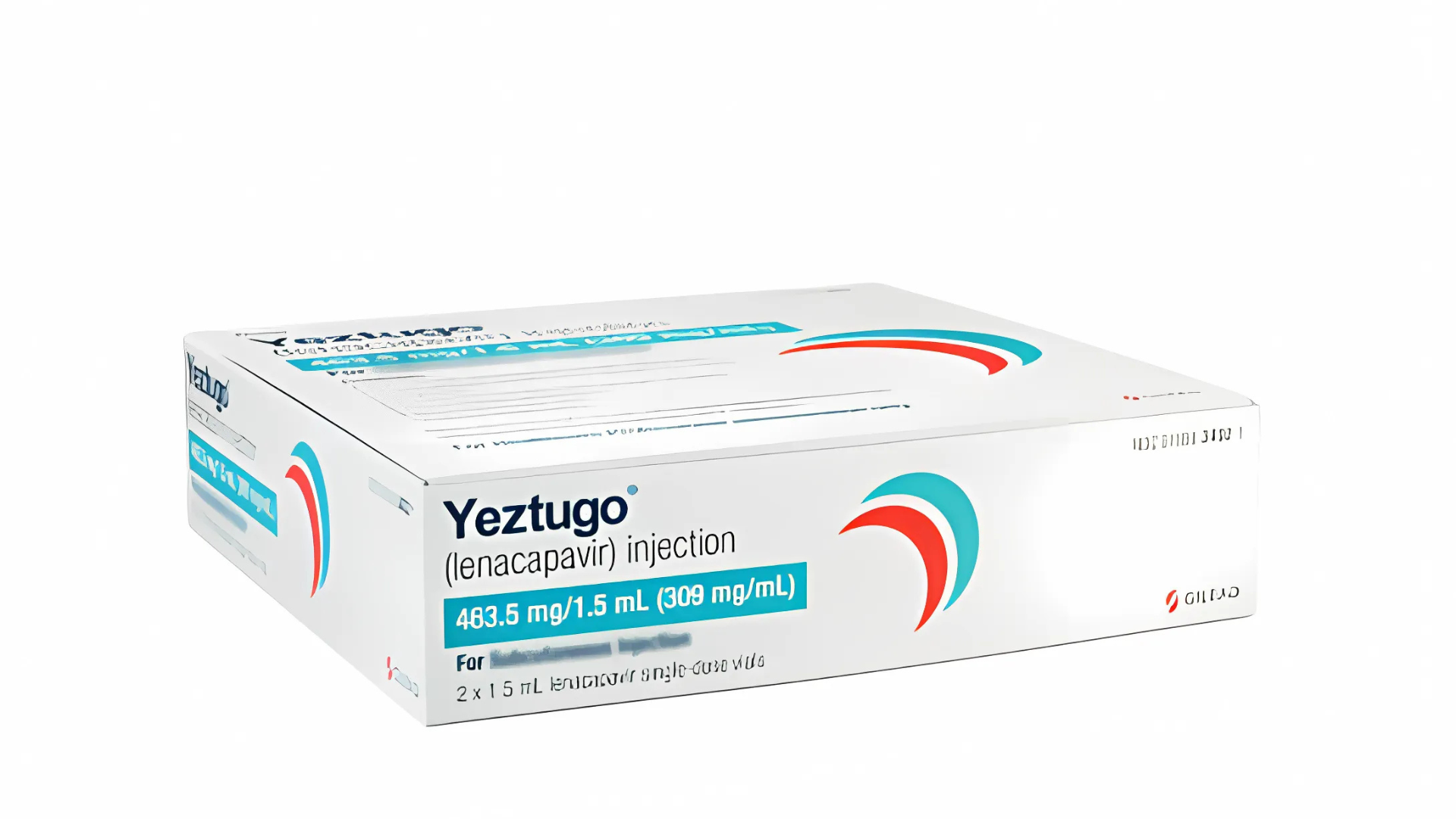
Lenacapavir, a long-acting injectable administered just twice a year, represents a departure from the daily oral pre-exposure prophylaxis (PrEP) pills currently in use. Its development stems from years of clinical research, with trials demonstrating near-complete efficacy in preventing HIV transmission. The drug, which requires injection into the abdominal area by a healthcare provider, promises a discreet and convenient option, addressing challenges like adherence and stigma that have hindered earlier prevention efforts. “For many, taking a pill every day was a burden,” said Dr. Jane Wanjiru, a clinician in Kisumu. “This could make a real difference, especially for our youth.” The approval follows global recognition of the drug’s potential, with Kenya positioned as one of the early adopters in a rollout that could reshape HIV prevention across East Africa.
The Ministry of Health, in collaboration with the Division of National AIDS and STI Control Programme (NASCOP), is spearheading the initiative. Preparations are already underway to establish distribution networks, train healthcare workers, and integrate the drug into existing health programs. The government aims to have the drug available in public facilities by mid-2026, with initial supplies expected to arrive in the first quarter of the year. “We are working tirelessly with our partners to ensure a smooth transition,” said a NASCOP representative during a community meeting in Mombasa. The rollout will prioritize high-prevalence areas like Nyanza and the Coast, where infection rates remain elevated among young women and key populations.
Public response has been a mix of optimism and cautious anticipation. In rural villages near Lake Victoria, where HIV awareness campaigns have intensified, residents like fisherman Peter Omondi expressed relief. “If this works as they say, it could save many lives in my community,” he said while mending his nets. Urban centers like Nairobi and Nakuru have seen similar sentiments, with young people gathering at health forums to learn more. However, concerns linger about accessibility, particularly in remote regions where healthcare infrastructure is limited. “We need clinics to be ready,” said a teacher in Turkana. “Otherwise, this benefit won’t reach us.”
The drug’s approval comes at a critical juncture, as Kenya grapples with a plateau in its HIV response. Despite progress in treatment and awareness, new infections continue to challenge public health efforts, with adolescent girls and sex workers among the most vulnerable. Lenacapavir’s twice-yearly dosing offers a potential solution, reducing the need for frequent medical visits and empowering individuals to maintain prevention discreetly. “This could be the tool we’ve been waiting for,” said a nurse in Eldoret, reflecting on the drug’s promise to improve adherence rates that have faltered with daily regimens.
Health officials are also addressing logistical challenges. The government is coordinating with international partners to secure funding and ensure a steady supply chain, a process complicated by global demand for the drug. Training programs for healthcare providers are scheduled to begin in late 2025, focusing on safe administration and patient counseling. “We want every nurse to feel confident using this,” said a trainer in Kisii during a recent workshop. Community health workers will play a key role, visiting homes to educate families and monitor uptake, especially in areas with low literacy rates.
The rollout’s success hinges on public trust and education. In markets across Nairobi, traders like Amina Hassan discussed the news over cups of chai, sharing both excitement and skepticism. “We’ve heard promises before,” she said. “I hope this one delivers.” To counter such doubts, the Ministry plans a nationwide campaign, using radio, mobile vans, and local leaders to spread accurate information. “People need to understand how it works and why it matters,” said a community health volunteer in Kiambu. Schools are also being targeted, with plans to include HIV prevention in health curricula to reach the next generation.
Economic considerations add another layer to the rollout. While the drug’s cost in high-income countries has raised concerns, Kenya benefits from agreements allowing generic production at lower prices, potentially bringing the annual cost per person below $50. The government is negotiating with donors to subsidize distribution, ensuring affordability for low-income households. “We can’t let cost be a barrier,” said a health policy analyst in Nairobi. Local manufacturers are being engaged to support production once patents allow, a move that could boost the economy while meeting demand.
Cultural factors will influence adoption, particularly in conservative regions where HIV stigma persists. In parts of North Eastern Kenya, where traditional norms shape healthcare choices, community elders are being consulted to endorse the drug. “We need their support to reach everyone,” said a social worker in Garissa. Religious leaders in Western Kenya have also pledged to promote awareness, framing the drug as a tool for family protection. “This is about saving lives, not judgment,” said a pastor in Bungoma during a Sunday service.
The timeline to January 2026 allows for careful planning, but health experts warn against delays. Pilot programs are slated for late 2025 in select counties, providing a testing ground to refine logistics. “We want to learn from the start,” said a project coordinator in Nyeri. Feedback from these trials will shape the national rollout, with an emphasis on reaching marginalized groups like sex workers and truck drivers along major highways. “These are the people at highest risk,” said a peer educator in Mombasa.
International collaboration underpins the effort, with organizations offering technical support and funding. The government is aligning the rollout with global health goals, aiming to reduce new infections by 2030. “This is a shared fight,” said a diplomat at a health summit in Nairobi. The approval has also sparked interest from neighboring countries, with Uganda and Tanzania exploring similar initiatives, potentially creating a regional network for HIV prevention.
As the day progressed, health facilities across Kenya buzzed with activity. In a clinic in Kisumu, nurse Esther Achieng prepared for an upcoming training session, eager to master the new injection technique. “This could change how we work,” she said, organizing supplies. Patients waiting for routine checkups shared her enthusiasm, with one young woman, Grace Otieno, voicing hope. “I’ve lost friends to this disease,” she said. “Maybe this will stop that.”
The rollout faces challenges beyond logistics, including misinformation circulating in some communities. Rumors about side effects or government motives have surfaced, prompting officials to launch a rapid response team to address concerns. “We’ll meet people where they are,” said a public health officer in Nakuru. Social media platforms are being monitored, with plans to counter false claims with verified updates.
By evening, the Ministry released a statement outlining next steps, including a national task force to oversee implementation. The focus remains on equity, ensuring rural and urban areas receive equal attention. “No one should be left behind,” said the health official, closing the day’s briefing. As Kenya prepares for this new chapter, the promise of Lenacapavir offers a beacon of hope, tempered by the hard work ahead to make it a reality for all.