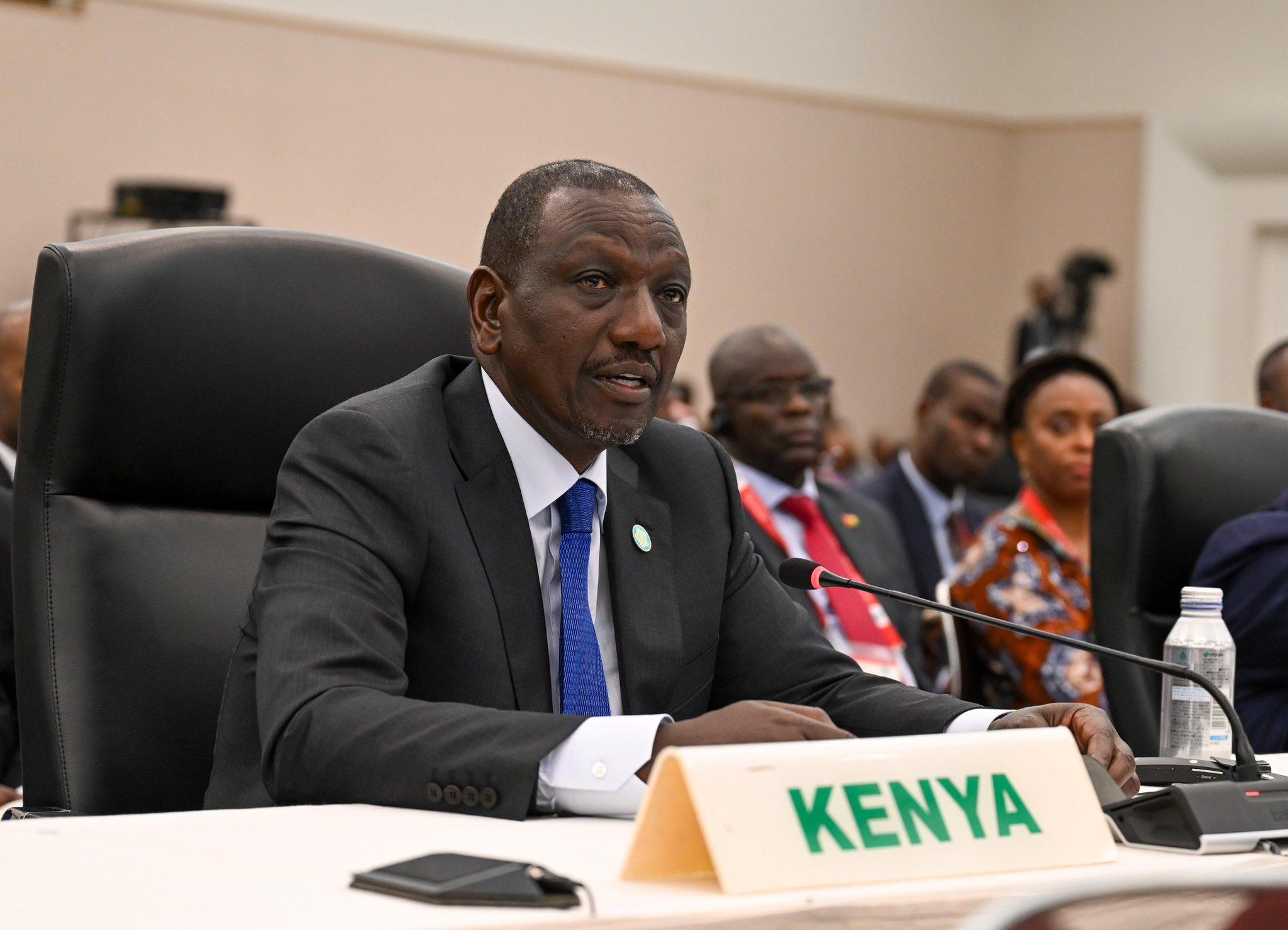
A historic proclamation resonated across Kenya this afternoon, Monday, August 25, 2025, as President William Ruto declared August 27 as "Katiba Day" to commemorate the 15th anniversary of the promulgation of the 2010 Constitution. The announcement, made at 12:32 PM East Africa Time during a national address from State House, Nairobi, designates the day as a working occasion dedicated to civic activities and national dialogue on constitutionalism. All government institutions and schools have been instructed to participate, marking a shift from traditional public holidays to a day of active engagement. "This day celebrates our democratic journey and calls us to reflect on our rights and responsibilities," Ruto said, addressing a gathering of cabinet secretaries and civic leaders. The news has sparked a wave of anticipation, blending pride with preparations for a nationwide conversation.
The 2010 Constitution, promulgated on August 27, 2010, following a landmark referendum, reshaped Kenya’s governance, introducing devolution, a Bill of Rights, and checks on executive power. Katiba Day, marking its 15th year amid a Sh10 trillion national debt and 5.5% inflation, aims to foster dialogue on its implementation, successes, and challenges. The working-day format, rather than a public holiday, encourages participation in town hall meetings, school debates, and community forums, with the government allocating funds for logistics. A teacher in Kisumu, preparing lessons for her students, remarked, "This is a chance to teach our children about their rights."
Public response has been a mix of enthusiasm and curiosity. In Mombasa, a fisherman mending nets caught the update on a community radio and said, "A day to talk about the law is good for us." The proclamation follows years of debate over the Constitution’s impact, with devolution credited for regional development but strained by fiscal constraints. Schools will host mock parliaments, while government offices will organize public lectures, aiming to engage Kenya’s 50 million citizens. A youth leader in Naivasha, organizing a civic forum, added, "This could strengthen our democracy if done well." The day tests national unity.
The afternoon’s announcement drew diverse reactions. In Thika, a mother preparing lunch for her children said, "I’ll attend if it helps my community." In Baringo, a herder tending cattle noted, "We need to understand these laws better." The event coincides with the Constitution’s milestone of establishing 47 counties, though implementation gaps—such as unfunded mandates—persist. Ruto’s address emphasized reviewing progress on devolution and human rights, with plans for a national report to be presented in September. A driver in Garissa, fueling his matatu, remarked, "This could bring us together if leaders listen." The proclamation highlights governance reflection.
As the day progressed, the story reached remote areas. In Marsabit, a community elder listening to a radio update said, "Our voices should be heard on this day." In Mombasa’s markets, a vendor packing fish asked, "Will schools close or just adjust?" The government has directed county commissioners to coordinate activities, with civic education officers tasked with mobilizing residents. The working-day status ensures continuity in essential services, though businesses may adjust hours for staff participation. A shopkeeper in Homa Bay, preparing for the Devolution Conference, noted, "This could inspire more accountability." The initiative reflects civic engagement.
The afternoon brought a reflective mood to offices and homes. In Eldoret, a public servant preparing a report said, "This is a chance to address our debt issues through dialogue." In Kisumu, a father checking on his family added, "My son will learn about his rights; that’s valuable." The Constitution’s 15-year journey includes landmark rulings, like the 2017 election case, and challenges, such as the 2024 tax protest fallout. The National Cohesion and Integration Commission will monitor discussions to prevent political friction. A community organizer in Turkana, planning a radio talk, remarked, "We must use this day wisely." The proclamation challenges national dialogue.
Experts see a strategic move. In Nairobi, a constitutional scholar discussing over tea said, "This day could deepen public understanding if inclusive." The 2010 document, born from the 2007-2008 post-election violence, aimed to prevent such crises, with devolution reducing tensions. A vendor in Timau, closing his stall, said, "Let’s hope it’s not just talk." The government plans to involve civil society, with events in all 47 counties, though funding constraints may limit scope. A father in Nyahururu, walking home with his family, added, "This is our chance to shape the future." The day marks a constitutional milestone.
The day saw continued engagement across the country. In Nakuru, a group at a market debated the news. "Will it change anything?" one trader asked, sorting vegetables. In Nairobi’s cyber cafes, a student scrolling through updates noted, "Social media is buzzing with plans." The Presidency will host a live address, with schools preparing curricula on constitutional history. A youth leader in Kitale, organizing an event, reflected, "This could unite us if we focus on solutions." As Katiba Day nears, its impact will shape Kenya’s democratic path.