Kajiado County, Kenya, launched a landmark Land Use Planning Forum aimed at fostering sustainable development across its rapidly urbanizing and ecologically sensitive landscape. The forum, held in Kajiado town, brought together county officials, community leaders, environmental experts, and representatives from national and international organizations to address pressing challenges in land governance, climate resilience, and equitable development. This initiative marks a significant step toward harmonizing Kajiado’s growth with environmental conservation and community empowerment, aligning with Kenya’s Vision 2030 and the United Nations Sustainable Development Goals (SDGs). This article explores the objectives, outcomes, and broader implications of the forum, drawing from recent developments and stakeholder perspectives.
Context and Significance of the Forum
Kajiado County, located in southern Kenya, is a region of stark contrasts, encompassing vast rangelands, critical wildlife corridors, and rapidly expanding urban centers like Kitengela, Ongata Rongai, and Ngong. Home to the Maasai community and other groups, the county faces mounting pressures from population growth, land fragmentation, climate change, and controversial land deals, such as carbon offset projects. These challenges have underscored the need for a cohesive land use planning framework that balances economic development, environmental conservation, and the preservation of cultural heritage.
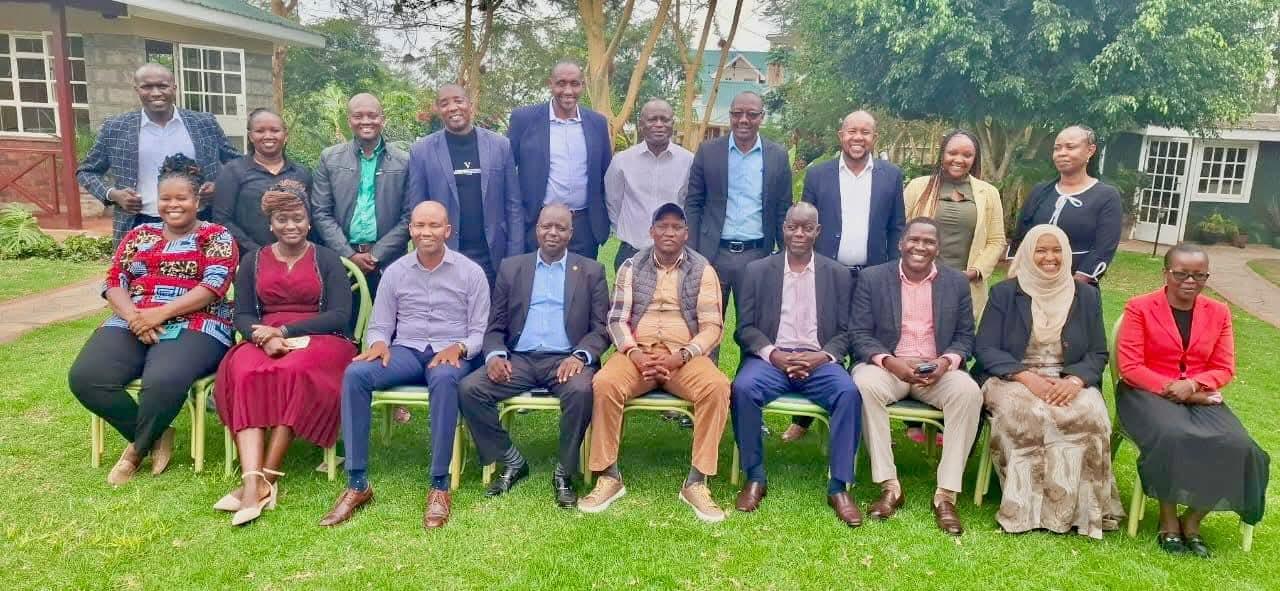
The Land Use Planning Forum was initiated by the Kajiado County Government in collaboration with partners such as the National Land Commission (NLC), the Kenya Institute of Planners (KIP), and the Food and Agriculture Organization of the United Nations (FAO). Inspired by similar efforts in neighboring counties like Makueni, which hosted a Counties Dialogue and Land Clinics on Land Governance in July 2025, Kajiado’s forum sought to address local challenges while fostering inclusive and sustainable land management practices.
The forum’s timing is significant, coming amid heightened tensions over land use in Kajiado. Recent controversies, including the revocation of residents’ associations’ roles in building approvals by Governor Joseph Ole Lenku in June 2025 and protests against carbon offset projects in Oldonyonyokie Group Ranch, have highlighted the need for transparent and community-driven planning. The forum aimed to bridge these divides by creating a platform for dialogue and consensus-building.
Objectives of the Land Use Planning Forum
The Kajiado Land Use Planning Forum was designed with several key objectives:
Promoting Integrated Land Use Planning: The forum emphasized the importance of integrated land use planning as a foundation for sustainable development. This involves aligning urban development, agricultural activities, and conservation efforts to ensure efficient and responsible land use.
Enhancing Community Participation: Recognizing the centrality of local communities, particularly the Maasai, in land governance, the forum sought to empower residents to influence planning decisions, ensuring that development aligns with community priorities.
Addressing Climate Change and Environmental Degradation: With Kajiado facing erratic rainfall, prolonged droughts, and land degradation, the forum prioritized climate-resilient strategies, including the protection of wetlands, waterways, and green buffer zones.
Resolving Land Conflicts: The forum addressed ongoing land disputes, such as those involving carbon credit schemes and unplanned developments, by promoting legal frameworks and dialogue to prevent conflicts and ensure equitable land access.
Fostering Partnerships: By bringing together diverse stakeholders, the forum aimed to build partnerships that support sustainable land use, drawing on expertise from organizations like the FAO and the NLC.
Dr. Paul Musila, Kajiado’s County Executive Committee Member (CECM) for Lands, opened the forum, echoing sentiments from Makueni’s recent land governance dialogue. He emphasized that “integrated land use planning is the cornerstone of sustainable development, ensuring that we balance growth with the needs of our environment and people.”
Key Discussions and Outcomes
The forum featured a series of presentations, panel discussions, and community workshops, covering critical themes such as sustainable land management, climate adaptation, and community-led conservation. Below are the key highlights:
1. Community-Led Conservation and Livelihoods
Kajiado’s vast landscapes are home to critical wildlife habitats and traditional Maasai grazing lands, yet they face threats from climate change, land degradation, and human-wildlife conflicts. The forum showcased successful community-led initiatives, such as the Eselenkei Grass Seed Bank and the Osiram Women’s Group in Imbirikani, which have transformed degraded lands into productive enterprises while supporting conservation. A Maasai elder from the Kikesen Conservancy, quoted in a recent IUCN report, reiterated, “There can be no conservation without empowerment. Conservation should be people-based and people-centered.”
Participants agreed on the need to scale up such initiatives, integrating them into county-wide land use plans. Proposals included establishing more community conservancies and supporting women-led enterprises to restore degraded lands, aligning with the Global Landscapes Forum (GLF) Africa 2025’s focus on reversing land degradation.
2. Climate-Resilient Land Use Strategies
Climate change was a central theme, with discussions focusing on Kajiado’s vulnerability to erratic rainfall and droughts. Drawing from Ghana’s recent land-use reforms, the forum advocated for incorporating climate adaptation into land use plans, such as enforcing prohibitions on construction in waterways and wetlands. County officials committed to developing Climate Risk and Vulnerability Assessments (CRVAs) to guide evidence-based planning, a strategy supported by the Environmental Protection Agency (EPA) in Ghana.
Practical measures proposed included tree planting, rainwater harvesting, and the creation of green infrastructure to mitigate flooding and soil erosion. The Kenya Small Scale Farmers Forum (KESSFF), which has implemented Runoff Rain Water Harvesting Projects in arid regions, was cited as a model for Kajiado’s arid and semi-arid lands (ASALs).
3. Addressing Land Conflicts and Carbon Offset Controversies
The forum addressed the contentious issue of carbon offset projects, particularly the Kajiado Rangeland Carbon Project (KRCP), which has sparked protests among the Oldonyonyokie Group Ranch community. Critics argue that such projects, backed by companies like CarbonSolve and Climate Asset Management, prioritize corporate interests over indigenous land rights. A vocal protest on April 30, 2025, saw locals chanting “No carbon!” in opposition to a 40-year land lease deal.
To resolve such conflicts, the forum proposed strengthening legal frameworks, such as the Physical and Land Use Planning Act (PLUPA) of 2019, and ensuring community consent in land deals. The Kajiado County Alliance of Residents Association, despite its recent exclusion from building approvals, was recognized for its role in advocating for law-compliant development.
4. Strengthening Governance and Policy Frameworks
The forum emphasized the need for robust governance to support sustainable land use. Participants called for stricter enforcement of existing laws, including the Environmental Management and Coordination Act (EMCA) of 1999, and better coordination between county and national governments. The National Land Commission’s involvement was seen as critical in aligning local plans with national objectives, such as Kenya’s Nationally Determined Contribution (NDC) to the Paris Climate Agreement.
A key outcome was the commitment to develop a Kajiado County Sustainable Land Use Framework, modeled after San Diego County’s holistic policy approach. This framework will guide future policymaking, address gaps in the county’s General Plan, and incorporate community feedback to ensure equitable development.
Challenges and Criticisms
Despite its ambitious goals, the forum faced challenges. The recent revocation of residents’ associations’ roles in building approvals, announced by Governor Lenku in June 2025, drew criticism from community leaders. Parsimei Gitau, Chairperson of the Kajiado County Alliance of Residents Association, argued that the decision undermines community-driven planning and risks escalating conflicts with developers. The forum acknowledged this tension, with participants urging the county to reinstate mechanisms for community input, such as Letters of No Objection (NoLs).
Additionally, the complexity of land tenure in Kajiado, particularly for communal lands like group ranches, remains a hurdle. The 58-year-old land dispute involving the Kajiado Farmers Development Company Limited (KDFCL) and the government, which resurfaced in July 2025, underscores the challenges of resolving historical land claims.
Implications for Kajiado and Beyond
The Kajiado Land Use Planning Forum has far-reaching implications for the county and Kenya’s broader sustainable development agenda. By prioritizing community-led solutions and climate resilience, the forum aligns with global frameworks like the SDGs and the Kunming-Montreal Global Biodiversity Framework. Its emphasis on inclusive planning could serve as a model for other Kenyan counties facing similar challenges, such as Makueni and Narok.
The forum’s focus on resolving land conflicts, particularly around carbon offsets, addresses a growing concern across Africa. As seen in Ecuador’s Amazon, where Indigenous communities debate land agreements, Kajiado’s experience highlights the need for transparent and equitable land governance to prevent exploitation under the guise of climate action.
Economically, the forum’s outcomes could unlock Kajiado’s potential as a hub for sustainable agriculture and eco-tourism. By leveraging initiatives like the KESSFF’s partnership with Konza City, Kajiado could integrate technology and agriculture to create smart, food-secure urban centers.
Community Voices and Cultural Preservation
The forum placed significant emphasis on the Maasai community’s role in shaping Kajiado’s future. Elders and women’s groups, such as the Osiram Women’s Group, were celebrated for their contributions to conservation and livelihoods. Cultural preservation was also a priority, with discussions on protecting ancestral lands and traditional practices amid rapid urbanization.
The involvement of women was particularly notable. The Eselenkei Grass Seed Bank, which has empowered women to restore degraded lands, was highlighted as a success story that could inspire similar initiatives county-wide. These efforts align with the broader goal of empowering rural women, who make up 43% of the agricultural workforce but face barriers to land access.
The Kajiado Land Use Planning Forum of July 2025 marks a pivotal moment in the county’s journey toward sustainable development. By fostering dialogue among diverse stakeholders, addressing climate challenges, and prioritizing community empowerment, the forum sets a precedent for inclusive land governance. While challenges like land conflicts and governance gaps remain, the commitment to a Sustainable Land Use Framework offers hope for a balanced and equitable future.
As Kajiado navigates its complex landscape of opportunities and threats, the forum’s outcomes underscore the power of community-led solutions and partnerships. By building on these foundations, Kajiado can harness its natural and cultural wealth to create a model of sustainable development that resonates across Kenya and beyond, ensuring that growth benefits both people and the planet.