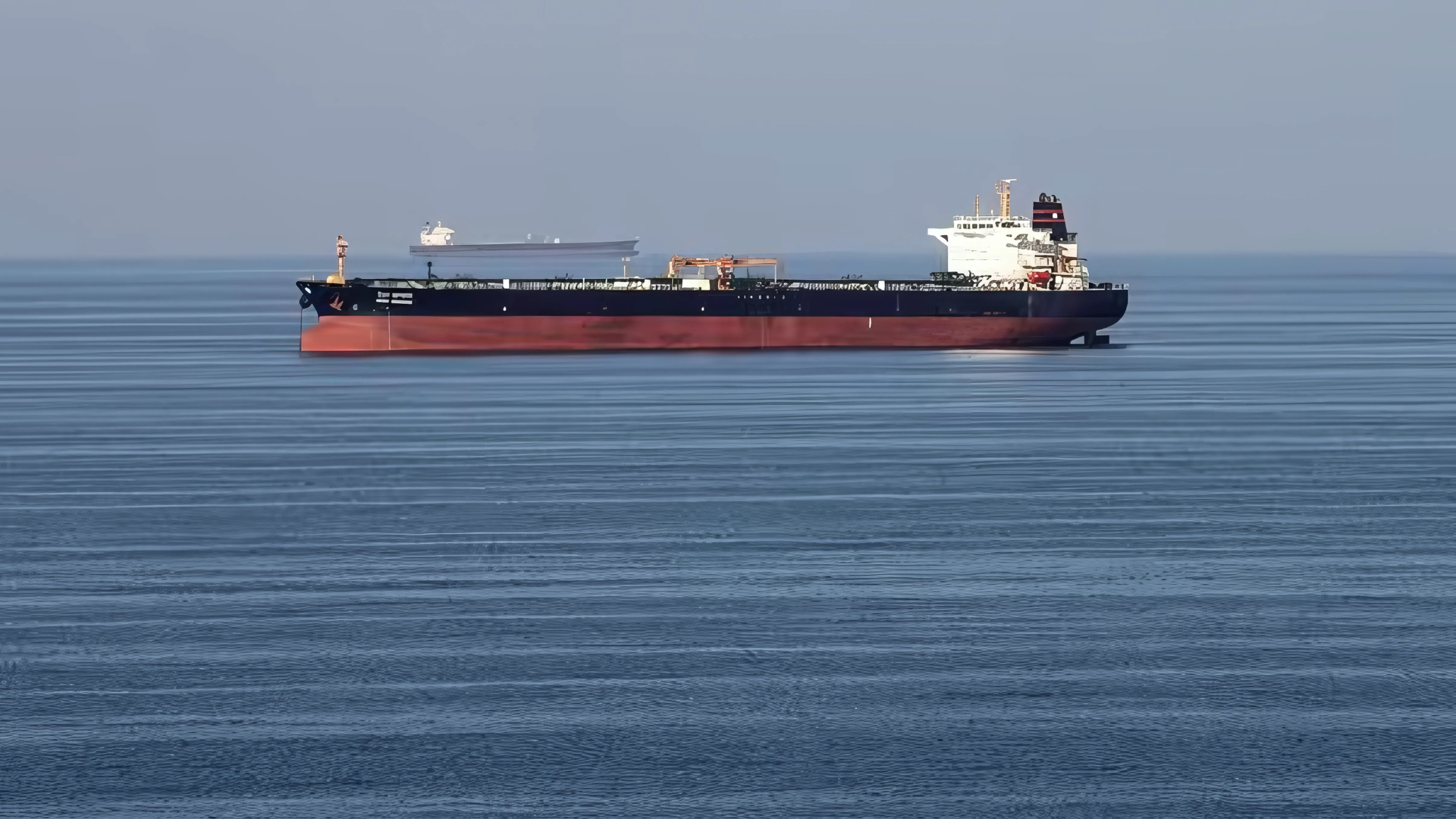
The world is on edge as Iran’s parliament, the Majlis, voted on June 22, 2025, to approve a motion to close the Strait of Hormuz, a narrow waterway critical to global oil trade. This decision, a direct response to U.S. airstrikes on three Iranian nuclear facilities, threatens to disrupt the flow of approximately 20% of the world’s oil supply, which passes through this chokepoint daily. The Strait, connecting the Persian Gulf to the Indian Ocean, is a lifeline for energy exports from major producers like Saudi Arabia, Iraq, and the United Arab Emirates. Any closure could send oil prices soaring, unleash global inflation, and trigger economic shockwaves felt from Nairobi to New York. Meanwhile, the United States has urged China, Iran’s largest oil buyer, to dissuade Tehran from this drastic action, highlighting the high stakes of this geopolitical crisis.
The Strait of Hormuz, only 33 kilometers wide at its narrowest point, is a strategic artery for global energy. About 17 to 20 million barrels of crude oil, condensate, and refined fuels traverse its shipping lanes each day, alongside a third of the world’s liquefied natural gas. “This is the oil artery of the world,” said energy analyst Sarah Mwangi during a recent interview in Nairobi. “A disruption here doesn’t just affect oil producers; it impacts every consumer, from drivers filling their tanks to families buying groceries.” The parliamentary vote, reported by Iran’s state-owned Press TV, has already rattled markets, with Brent crude briefly climbing to $81.40 a barrel on June 23 before settling at $78, up 1.4% for the day.
Iran’s move comes in the wake of U.S. military action dubbed “Operation Midnight Hammer,” which targeted nuclear sites in Fordo, Natanz, and Isfahan. The strikes, involving 14 bunker-buster bombs and over 125 military aircraft, aimed to cripple Iran’s nuclear program. U.S. Defense Secretary Pete Hegseth described the operation as “bold and brilliant,” but Iran claims the damage was minimal, particularly at the fortified Fordo site. “The Americans think they can bully us into submission,” said Iranian Foreign Minister Seyed Abbas Araghchi in a press conference. “We reserve all options to defend our sovereignty.” The parliamentary motion to close the Strait is seen as a retaliatory signal, though the final decision rests with Iran’s Supreme National Security Council and Supreme Leader Ayatollah Ali Khamenei.
The U.S. has responded by calling on China to intervene, given Beijing’s significant economic leverage over Tehran. China imports over 1.8 million barrels of Iranian oil daily, making it Iran’s largest customer. “I encourage the Chinese government in Beijing to call them about that, because they heavily depend on the Strait of Hormuz for their oil,” U.S. Secretary of State Marco Rubio said in an interview on Fox News. Rubio warned that closing the Strait would be “economic suicide” for Iran, as it relies on the waterway for its own oil exports. However, Beijing has so far resisted U.S. pressure, with China’s UN Ambassador Fu Cong calling for an immediate ceasefire and criticizing the U.S. strikes as damaging to Washington’s credibility.
The potential closure of the Strait is a high-risk gambit for Iran. Historically, Tehran has threatened to block the waterway during tensions, such as during the Iran-Iraq War in the 1980s, but has never followed through. “Iran knows this move would hurt its allies more than its enemies,” said political analyst John Kamau in Nairobi. “China, India, and other Asian markets rely on Gulf oil, and a prolonged disruption would strain those relationships.” Iran could disrupt shipping by laying naval mines, launching missile attacks, or detaining vessels, but such actions would likely provoke a swift response from the U.S. Fifth Fleet, stationed in Bahrain, and other Western navies patrolling the region.
For Kenya, a net oil importer, the implications are dire. A spike in global oil prices would increase the cost of fuel, driving up transport and food prices. “We’re already struggling with inflation,” said Mary Wanjiku, a matatu operator in Mombasa. “If oil gets more expensive, I’ll have to charge passengers more, and they won’t be happy.” Kenya imports much of its fuel through the Indian Ocean, and while it doesn’t rely directly on the Strait, global price fluctuations would inevitably hit local markets. The government is reportedly monitoring the situation, with Energy Cabinet Secretary Opiyo Wandayi assuring citizens that Kenya has diversified its fuel sources to mitigate risks.
Globally, the economic fallout of a Strait closure could be catastrophic. Analysts from Goldman Sachs and Rapidan Energy estimate that a prolonged disruption could push oil prices above $100 per barrel, triggering a wave of inflation. “Everything from petrol to plastics to food production depends on affordable oil,” said Mwangi. “A closure could tip the world into recession.” Europe, heavily reliant on Middle Eastern liquefied natural gas, would face energy shortages, while Asian economies like China, India, and Japan, which import most of their oil through the Strait, would bear the brunt of supply disruptions.
Iran’s neighbors in the Gulf, including Saudi Arabia and the UAE, have limited pipeline alternatives to bypass the Strait, but their capacity is insufficient to offset a full closure. “This isn’t just Iran’s fight,” said Amina Hussein, a trade consultant in Dubai. “If Tehran blocks the Strait, it risks turning its Gulf neighbors into enemies.” Saudi Arabia and the UAE have been improving ties with Iran, and a disruption could jeopardize those delicate relationships. Qatar, a major LNG exporter, would also see its shipments halted, exacerbating global energy shortages.
The human cost of escalation is another concern. The Middle East is already reeling from conflicts involving Israel, Hamas, and Hezbollah, and a Strait closure could draw in more actors, including NATO allies like the UK and France, which maintain a naval presence in the region. “We’re on the brink of a broader war,” said Kamau. “Iran’s parliament may be posturing, but miscalculations could spiral out of control.” Iran’s Revolutionary Guards Commander Esmail Kosari, also a parliamentarian, insisted that closing the Strait “will be done whenever necessary,” signaling Tehran’s readiness to escalate if provoked further.
Despite the saber-rattling, some experts believe Iran is unlikely to act on the threat. “Closing the Strait would strangle Iran’s own economy,” said energy consultant Peter Njoroge. “They need those oil exports to China to survive.” Others point to the U.S. military’s overwhelming presence in the region as a deterrent. During the 1980s Tanker War, the U.S. Navy escorted Kuwaiti tankers through the Strait, countering Iranian attacks. “The U.S. would clear any blockade, but not without chaos,” said Njoroge. Analysts estimate that disruptions could last weeks or months, with shipping insurance premiums skyrocketing and supply chains buckling.
The international community is scrambling to prevent escalation. The European Union’s top diplomat called a Strait closure “dangerous and not good for anybody,” while India’s Petroleum Minister Hardeep Puri downplayed the impact on New Delhi, citing diversified oil sources from Russia and Brazil. “We’ve been preparing for scenarios like this,” Puri posted on social media. “Our citizens will not face fuel shortages.” However, India, which imports two million barrels daily through the Strait, would still face higher prices and shipping delays.
As the world awaits Iran’s next move, the Strait of Hormuz remains a flashpoint. The parliamentary vote may be a symbolic gesture, but it underscores Iran’s willingness to leverage its geographic advantage. “This is Tehran’s way of saying they won’t back down,” said Kamau. “But the cost of following through could be higher than they’re willing to pay.” For now, oil tankers continue to navigate the Strait, though reports indicate some supertankers have altered routes out of caution. The global economy hangs in the balance, with every stakeholder—from Kenyan commuters to Chinese manufacturers—bracing for the ripple effects of this unfolding crisis.