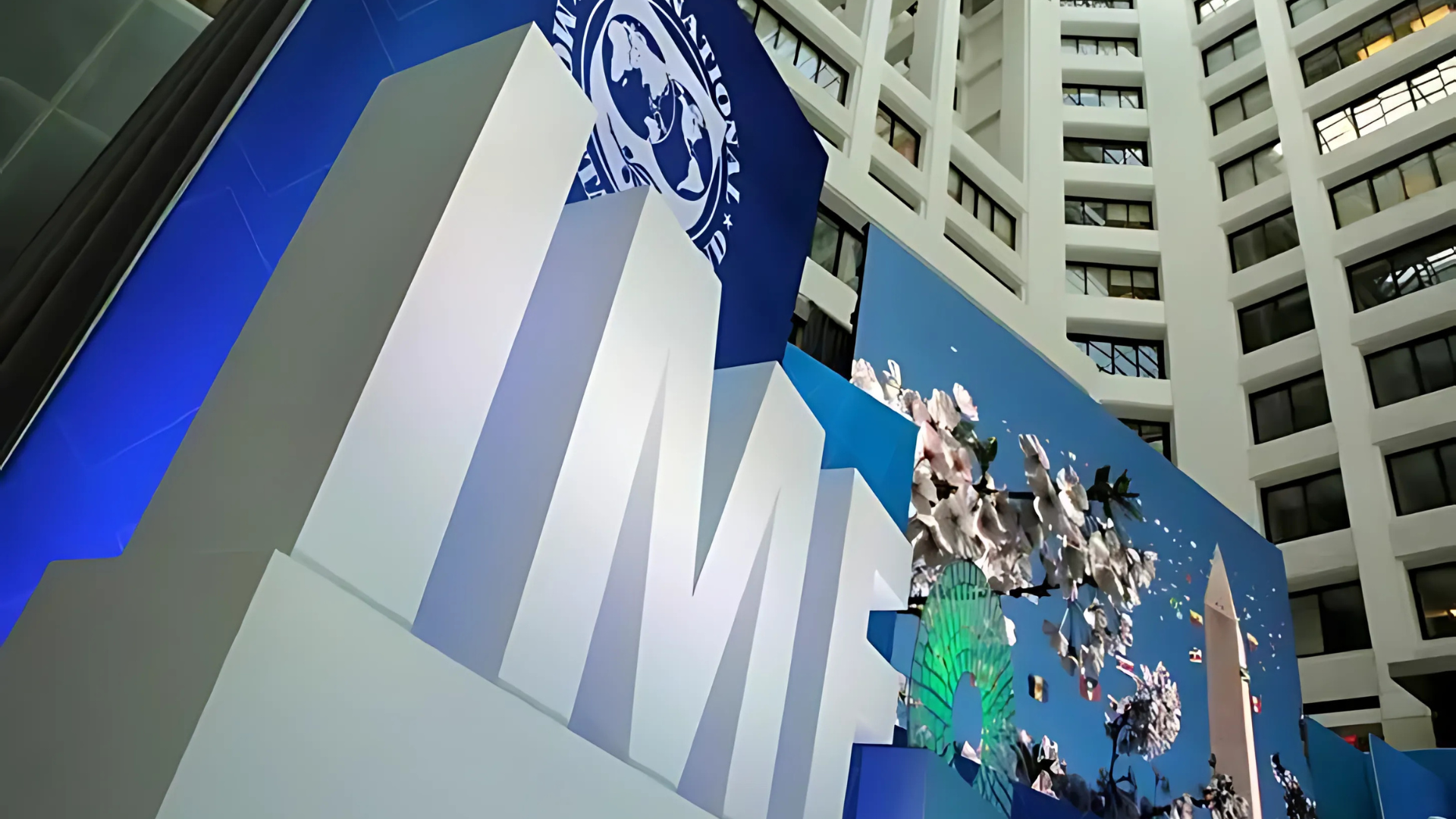
A cloud of uncertainty settled over Kenya’s fiscal landscape on Tuesday, July 29, 2025, as the International Monetary Fund (IMF) voiced serious transparency concerns regarding the government’s plan to securitize Sh175 billion of its fuel levy. The warning, issued during a virtual briefing at 8:45 AM East Africa Time, highlighted fears that the financing strategy could sidestep parliamentary approval and undermine constitutional safeguards, igniting a fresh debate on governance and economic management. The National Treasury had proposed converting future fuel levy revenues into tradeable securities to fund infrastructure and settle pending bills, a move officials defended as a pragmatic solution. “We are concerned that this approach may lack the necessary oversight and could expose Kenya to long-term risks,” an IMF spokesperson said, addressing global stakeholders. The statement has prompted widespread discussion among Kenyans, with citizens and lawmakers weighing the implications.
The securitization plan involves using a portion of the Road Maintenance Levy Fund, currently set at Sh25 per liter of fuel, to raise the Sh175 billion upfront. The Treasury argues this will accelerate road construction and clear contractor arrears, a pressing need amid stalled projects across the country. The process would see a Special Purpose Vehicle (SPV) issue bonds backed by future levy collections, a mechanism the government claims avoids adding to public debt. However, the IMF’s caution centers on the lack of parliamentary debate, a process typically required under Kenya’s Constitution for significant financial commitments. A farmer in Nakuru, irrigating his fields, remarked, “If they’re borrowing our fuel money without asking us, how can we trust them?” The concern resonates with a public already grappling with high fuel prices and economic strain.
Public reaction has been swift and varied. In Kisumu, a teacher preparing lessons listened to the radio, saying, “This sounds like a shortcut that could hurt us later.” In Mombasa, a shopkeeper serving customers expressed frustration. “They keep raising fuel costs, and now this secret plan?” he asked as the news played. The IMF’s warning echoes sentiments from local lawmakers, including Kiharu MP Ndindi Nyoro, who earlier this month criticized the strategy as a hidden loan, alleging it bypasses legislative scrutiny. The Treasury counters that the plan is transparent, with funds earmarked for infrastructure, but the absence of a public vote has fueled skepticism. A youth leader in Naivasha, organizing a community meeting, added, “We need Parliament to decide, not just the Treasury.”
The timing of the IMF’s statement, coinciding with Kenya’s ongoing engagement under a multi-billion-dollar IMF program, adds weight to the controversy. The country is navigating a debt burden exceeding Sh10 trillion, with inflation at 5.5%, prompting the government to seek domestic funding solutions. Securitization, a practice where future revenues are pledged to raise immediate capital, has been used globally but often requires robust oversight to prevent fiscal overreach. The IMF suggests that Kenya’s constitutional framework, which mandates parliamentary approval for loans and guarantees, may be at risk if the plan proceeds without debate. A driver in Garissa, fueling his matatu, noted, “If the IMF is worried, maybe we should be too.”
Communities across Kenya have begun dissecting the issue. In rural Kitale, a farmer tending maize fields heard a radio update, saying, “Our fuel money should build roads, not create debt.” In urban Eldoret, a student at a cyber cafe scrolled through discussions, adding, “This could lock us into payments for years.” The Treasury plans to use the Sh175 billion to settle over Sh120 billion in contractor debts and fund new projects, a move officials say will stimulate the economy. However, the IMF’s call for transparency has prompted calls for a public audit, with some questioning whether the SPV structure shields the transaction from accountability. A mother in Nyeri, feeding her children, expressed concern. “We can’t afford more hidden costs,” she said, clearing the table.
The morning’s announcement drew diverse responses. In Thika, a father waiting at a clinic said, “My family feels the fuel price rise; this makes it worse.” In Baringo, a herder tending cattle paused to hear a broadcast, noting, “They should ask us first.” The IEBC’s recent shift to biometric voting has raised similar debates about modernization versus oversight, paralleling the fuel levy concern. The IMF’s involvement, tied to Kenya’s Extended Fund Facility, underscores its role in monitoring fiscal health, but critics argue it may overstep by influencing domestic policy. A health worker in Kisii, coordinating a vaccination drive, added, “Transparency is everything; we need to know the details.”
As the day progressed, the story spread to remote areas. In Marsabit, a herder listening to a radio update said, “This could affect our transport costs.” In Mombasa’s markets, a vendor packing fish asked, “Who benefits from this money?” The Treasury has promised to engage stakeholders, including Parliament, to address the IMF’s concerns, with a technical committee set to review the plan. The SPV, designed to isolate the transaction from government balance sheets, has drawn scrutiny, with some fearing it could mirror past financial missteps like the Eurobond controversies. A youth leader in Naivasha, organizing a forum, reflected, “We need laws to protect us from these moves.”
The afternoon brought a reflective mood to offices and homes. In Eldoret, a public servant preparing a report said, “This could be a good idea if done right.” In Kisumu, a mother checking on her family added, “But who watches the watchers?” The IMF’s warning highlights a broader tension between Kenya’s need for infrastructure funding and the demand for democratic oversight. The Constitution’s Article 201 requires public participation in financial matters, a provision the IMF suggests may be compromised. A community organizer in Turkana, planning a radio talk, remarked, “This is our money; we deserve a say.” The debate has reignited calls for fiscal accountability.
Economic analysts suggest the plan could ease immediate cash flow pressures, with the Sh175 billion potentially reviving stalled projects like the Nairobi-Mombasa highway. However, the lack of parliamentary approval raises legal questions, as the Public Finance Management Act mandates legislative consent for such commitments. A lawyer in Nairobi, discussing over tea, noted, “This could be challenged in court if it proceeds unchecked.” The Treasury insists the securitization is a revenue advance, not a loan, but the IMF’s stance has prompted a review. A vendor in Timau, closing his stall, said, “Let’s hope they fix this before it’s too late.” The issue tests Kenya’s governance framework.
The evening saw continued engagement across the country. In Nakuru, a group at a market debated the news. “Will this raise fuel prices more?” one trader asked, sorting goods. In Nairobi’s cyber cafes, a student scrolling through updates noted, “People are angry about this.” The IMF has called for a transparent process, including public disclosure of terms and risks, before any bonds are issued. A youth leader in Kitale, organizing an event, reflected, “We want to see the plan, not just hear about it.” The controversy underscores a critical juncture for Kenya’s economic strategy, balancing development with democratic principles.