By Brenda Wereh22 Jul, 202545 mins read 2,269 views
0 comments 0 likes
County governors have raised concerns over the Auditor General’s plan to audit bursary disbursements and ECDE spending, calling it overreach into devolved functions.
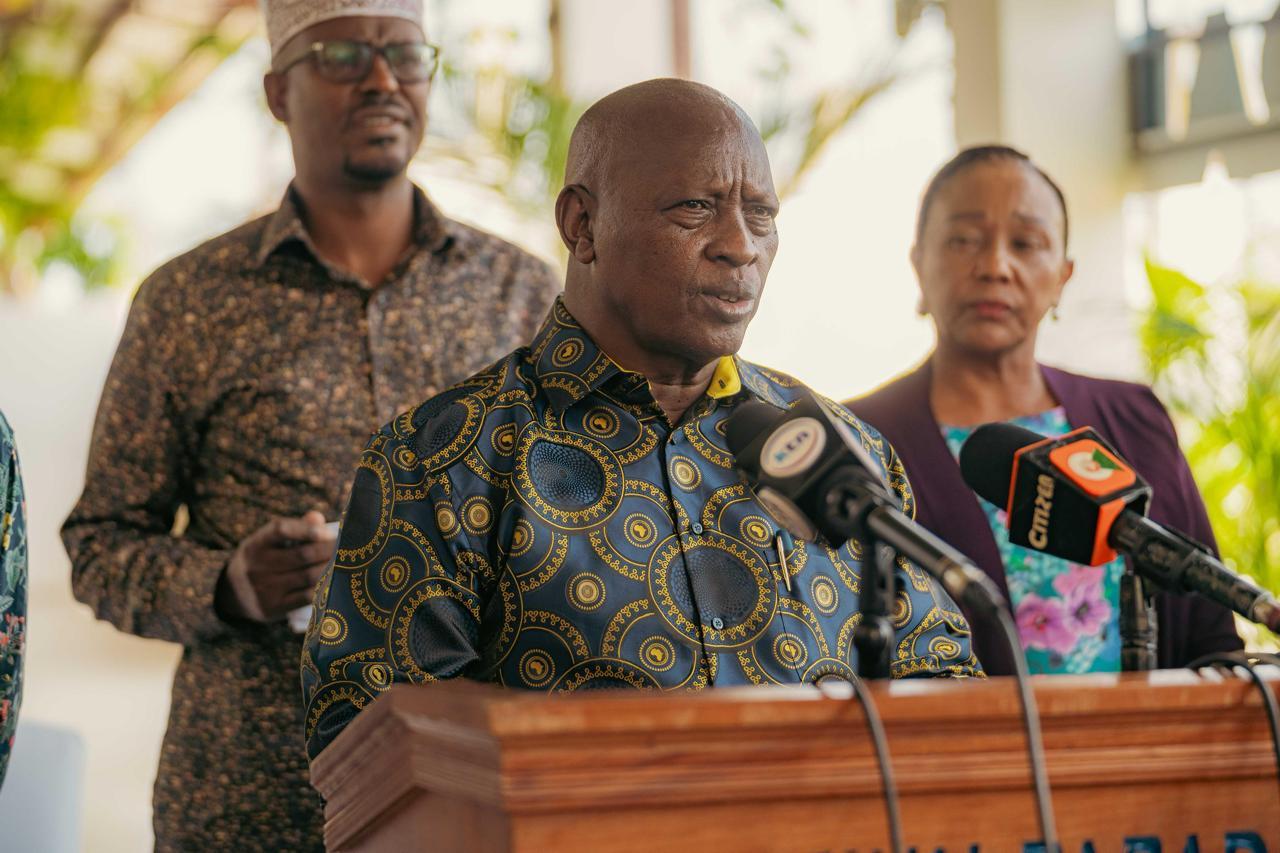
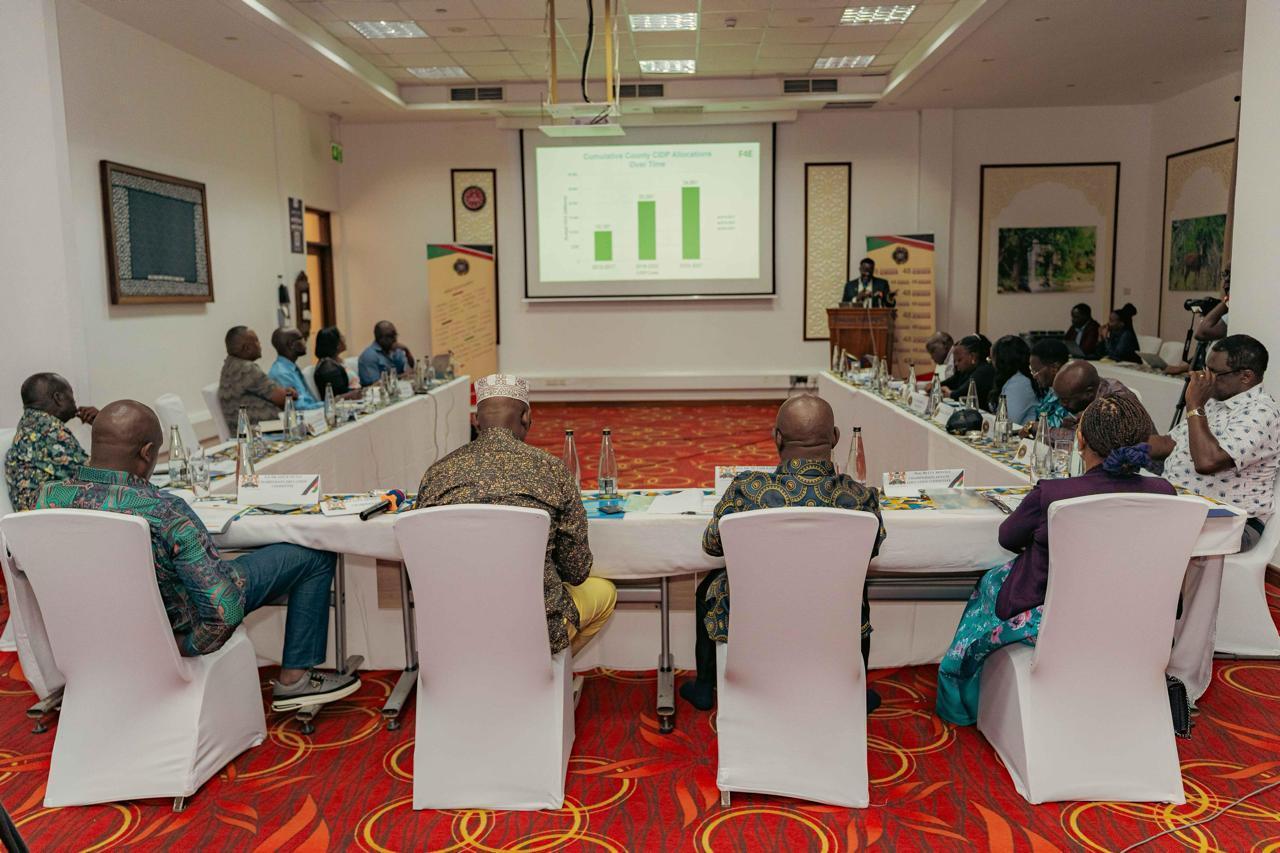
In a recent development that has sparked significant controversy in Kenya’s devolved governance landscape, the Council of Governors (CoG) has vehemently opposed a planned performance audit by the Office of the Auditor-General targeting bursaries, scholarships, and Early Childhood Development Education (ECDE) services in six counties. The audit, announced by Auditor-General Nancy Gathungu, aims to scrutinize the allocation and management of funds in these critical areas, which are pivotal to county-level service delivery.
The governors, led by CoG Chairperson Ahmed Abdullahi, have labeled the audit as unconstitutional, opaque, and duplicative, raising concerns about its timing, methodology, and potential to undermine devolution.
Background: The Auditor-General’s Mandate and the Audit Plan
The Office of the Auditor-General in Kenya, established under Article 229 of the Constitution, is tasked with auditing and reporting on the accounts of both national and county governments to ensure transparency, accountability, and prudent use of public funds. The Public Audit Act further delineates the Auditor-General’s powers, including the ability to conduct performance audits to assess the efficiency and effectiveness of public programs. According to Section 36 of the Public Audit Act, audits must adhere to specific timelines, typically within six months of the financial year’s end, to ensure relevance and compliance with legal standards.
The proposed audit, as communicated by the Office of the Auditor-General, targets bursaries, scholarships, and ECDE services in six unspecified counties, covering financial years dating back to 2021. The focus on these areas is significant, as bursaries and ECDE are cornerstone initiatives for counties, addressing educational access and early childhood development, respectively. Bursaries provide financial support to students from disadvantaged backgrounds, while ECDE programs ensure young children receive foundational education, often through county-funded infrastructure, teacher employment, and feeding programs.
The Auditor-General’s decision to audit these programs stems from a history of reported irregularities in fund management. For instance, a 2024 audit of the National Government-Constituency Development Fund (NG-CDF) revealed widespread issues, such as missing beneficiary lists, incomplete documentation, and lack of vetting evidence in bursary disbursements across multiple constituencies. These findings likely prompted the Auditor-General to extend scrutiny to county-level programs, given their significant role in education funding.
Governors’ Reaction: A Unified Front Against the Audit
The Council of Governors, representing Kenya’s 47 county governments, issued a strongly worded statement on July 21, 2025, condemning the planned audit. The CoG, chaired by Wajir Governor Ahmed Abdullahi, outlined several objections, arguing that the audit violates constitutional and statutory provisions, lacks transparency, and risks duplicating previous audits. The governors’ key points of contention include:
1. Unconstitutional and Untimely Audit
The governors assert that the audit falls outside the timelines prescribed by Article 229 of the Constitution and Section 36 of the Public Audit Act, which mandate audits within six months of the financial year’s end. They argue that targeting financial years as far back as 2021 is irregular, as these periods have already been audited. Ahmed Abdullahi emphasized, “Any audit exercise that is not anchored in the legal framework… is irregular, unconstitutional, and therefore null and void.”
Nyeri Governor Mutahi Kahiga echoed this sentiment, questioning the rationale for revisiting past financial years when some current governors were not in office during those periods. He argued that counties have already undergone routine financial audits for the years in question, and a repeat exercise is both prejudicial and redundant.
2. Lack of Consultation and Transparency
The CoG criticized the Auditor-General for initiating the audit without consulting county governments, a move they claim undermines the spirit of cooperative governance enshrined in Kenya’s devolution framework. The selection of the six counties for the audit was also deemed opaque, with no clear criteria disclosed. Abdullahi questioned, “Why select the six counties? Why audit the last four years?”
This lack of transparency has fueled suspicions among governors that the audit may be politically motivated. The CoG’s statement suggested that the focus on bursaries and ECDE could be an attempt to discredit counties’ efforts in these areas, with Kahiga noting, “There has been politicization of the bursaries matter. I do not know who is so determined to ensure counties are barred from giving out bursaries.”
3. Undermining Devolution
The governors argue that the audit threatens the principles of devolution, which grant counties autonomy over functions such as ECDE and bursary programs. They contend that counties have stepped in to address gaps left by the national government, such as providing bursaries to meet local educational needs. Kahiga highlighted counties’ achievements in devolved functions, including health, water, agriculture, and ECDE infrastructure, questioning why the Auditor-General is singling out bursaries and ECDE for scrutiny while ignoring other sectors.
The CoG’s statement underscored their commitment to accountability but urged the Auditor-General to conduct audits within legal parameters and in collaboration with counties. “We welcome constructive, lawful audit processes that are conducted in the spirit of collaboration, fairness, and respect for devolved governance,” Abdullahi stated.
The Significance of Bursaries and ECDE in Counties
Bursaries and ECDE programs are critical components of county governments’ mandates, addressing educational equity and early childhood development. Counties have invested heavily in these areas, employing ECDE teachers, building pre-primary infrastructure, and implementing school feeding programs to enhance access and retention. Bursaries, in particular, have been a lifeline for students from low-income families, enabling them to pursue secondary and tertiary education.
However, these programs have faced scrutiny for mismanagement. The 2024 NG-CDF audit revealed significant irregularities, such as unsupported expenditures and missing documentation, raising concerns about the integrity of similar county-level initiatives. For example, in Kikuyu Constituency, a variance of Sh1.9 million was noted in bursary disbursements, while in Embakasi South, Sh44.1 million was disbursed without proper authorization. These findings suggest that the Auditor-General’s focus on county bursaries and ECDE may be driven by a need to address systemic issues in fund management.
The Auditor-General’s Perspective
While the Office of the Auditor-General has not publicly responded to the CoG’s objections as of July 22, 2025, the legal framework supports its authority to conduct performance audits. Article 229(4) of the Constitution mandates the Auditor-General to audit and report on the accounts of county governments, while the Public Audit Act allows for performance audits to evaluate program effectiveness. The Act does not exempt entities from audits simply because prior reviews have occurred, provided there is a legitimate basis for further scrutiny.
The Auditor-General’s focus on bursaries and ECDE likely stems from their high public interest and susceptibility to mismanagement. Previous audits, such as the 2024 NG-CDF report, highlighted vulnerabilities in educational funding, prompting a deeper investigation into county programs. Auditor-General Nancy Gathungu has consistently emphasized accountability, as seen in her reports on irregular hiring practices in counties like Uasin Gishu, where 181 ECDE teachers were recruited without due process.
Broader Implications for Governance and Accountability
The dispute between the CoG and the Auditor-General raises critical questions about the balance between accountability and devolution in Kenya. On one hand, the Auditor-General’s mandate is essential for ensuring public funds are used effectively, particularly in high-impact areas like education. On the other hand, the governors’ concerns highlight the need for transparency, collaboration, and adherence to legal timelines in the audit process to maintain trust between national and county institutions.
1. Strengthening Devolution
The governors’ assertion that the audit undermines devolution underscores ongoing tensions between national and county governments. Devolution, a cornerstone of Kenya’s 2010 Constitution, aims to empower counties to address local needs, but disputes like this reveal challenges in coordinating oversight mechanisms. The CoG’s call for consultation reflects a desire for a more collaborative approach to audits, which could enhance trust and effectiveness.
2. Enhancing Transparency in Audits
The lack of clarity in selecting the six counties for the audit has fueled perceptions of bias. To address this, the Auditor-General could adopt more transparent criteria for audit selection and engage counties early in the process. Such measures would align with the principles of fairness and mutual respect emphasized by the CoG.
3. Addressing Systemic Issues in Education Funding
The audit’s focus on bursaries and ECDE highlights systemic challenges in Kenya’s education sector. Previous reports, such as the 2017 Auditor-General of South Africa’s findings on education, noted issues like inaccurate data and poor planning, which resonate with Kenya’s challenges. Addressing these requires not only audits but also investments in data systems, capacity building, and standardized processes for fund management.
4. Public Trust and Accountability
The public’s perception of this dispute will shape trust in both county governments and the Auditor-General’s office. While the governors’ resistance may be seen as defensive, the Auditor-General’s persistence in auditing high-risk areas is crucial for accountability. Balancing these dynamics will require both parties to prioritize public interest over institutional rivalries.
The clash between Kenya’s Council of Governors and the Auditor-General over the planned audit of bursaries and ECDE programs reflects deeper tensions in the country’s devolved governance system. The governors’ objections—centered on the audit’s legality, transparency, and potential to undermine devolution—highlight legitimate concerns about process and collaboration. However, the Auditor-General’s mandate to ensure accountability in public spending, particularly in critical areas like education, is equally vital. As this dispute unfolds, both parties must strive for a resolution that upholds the rule of law, respects devolution, and prioritizes the needs of Kenyan students and communities. Transparent criteria, timely audits, and collaborative engagement will be key to resolving this conflict and strengthening Kenya’s governance framework.
Former Kiambu Governor Ferdinand Waititu has secured a major bail reprieve from the High Court, with Justice Winfrida Okwany reducing his bail from Sh53.5 million to Sh20 million cash pending appeal in his ongoing corruption case.
Kenya National Highways Authority names Eng. Luka Kipchumba Kimeli as Director General while Kenya Roads Board appoints Judith Otsyula to the same role in major leadership changes for Kenya's roads sector.
Kenya’s Committee on Communication, Information and Innovation has rejected calls for a complete ban on TikTok, instead proposing mandatory local storage of Kenyan user data and full compliance with national laws in a report adopted for debate in the National Assembly.