Former Kenyan Deputy President and leader of the Democracy for Citizens Party (DCP), Rigathi Gachagua, held a significant meeting with members of the Abagusii community in Seattle, Washington, as part of his two-month tour of the United States. The gathering, marked by candid discussions and a shared vision for a better Kenya, underscored Gachagua’s ongoing efforts to engage the Kenyan diaspora and consolidate support ahead of the 2027 General Elections. Accompanied by his spouse, Pastor Dorcas Rigathi, and joined by prominent opposition figure Martha Karua, Gachagua emphasized unity, patriotism, and the collective desire for positive change in Kenya. This article explores the context, outcomes, and implications of this pivotal meeting, drawing from recent reports and Gachagua’s own statements.
Context of the Seattle Meeting
Rigathi Gachagua’s U.S. tour, which began on July 9, 2025, marks his first international trip since his removal from the office of Deputy President in October 2024. The tour, spanning multiple cities including Dallas, California, Seattle, Boston, and Baltimore, aims to connect with Kenyans in the diaspora and engage with international stakeholders. Seattle, a vibrant hub for the Kenyan diaspora, particularly the Abagusii community, served as a key stop for Gachagua’s outreach efforts. On July 14, 2025, he inaugurated the DCP’s North Pacific Chapter Satellite Office in Seattle, a move described as a “significant milestone” in enhancing grassroots connections with Kenyans abroad.
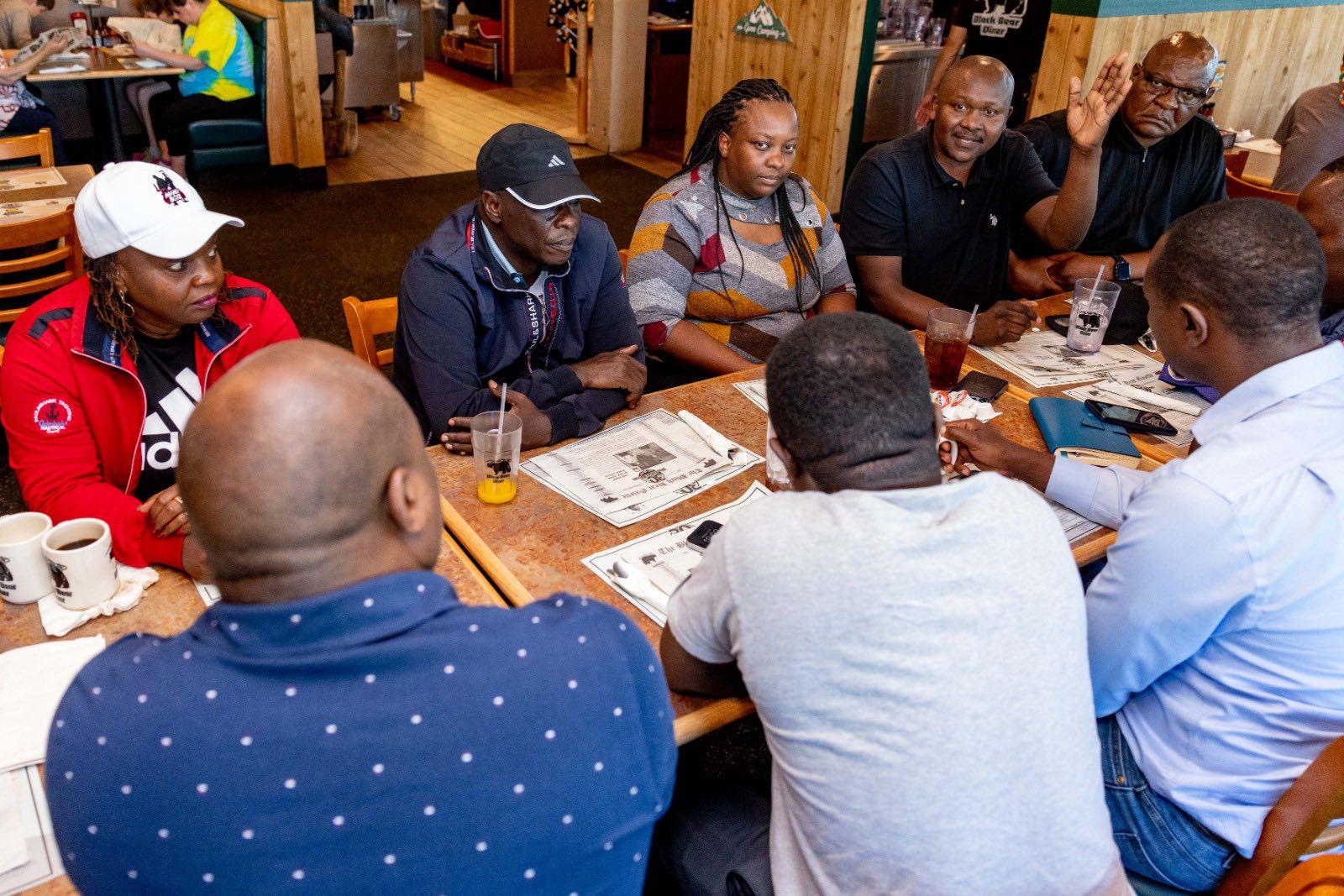
The Abagusii, a Bantu ethnic group primarily from the Kisii and Nyamira counties in Kenya, have a strong presence in the U.S., with Seattle hosting a tight-knit community known for its cultural pride and active engagement in Kenyan affairs. Gachagua, who has consistently advocated for the inclusion of the Abagusii in national matters, used this meeting to address their concerns and rally their support for his political agenda. The event was not only a platform for political discourse but also a celebration of cultural unity, as evidenced by the participation of notable figures like musician Samidoh Muchoki and the attendance of community members who expressed solidarity with Gachagua’s vision.
The Meeting: A Call for Unity
The meeting with the Abagusii community took place on the evening of July 15, 2025, and was described by Gachagua as both “candid and encouraging.” In a statement shared on X, he expressed his pleasure at engaging with his “cousins from the Abagusii community” and praised their deep concern for Kenya’s challenges and their commitment to supporting positive change. “I am glad that they understand the challenges our country is undergoing and their commitment to supporting positive change,” Gachagua stated. “It’s motivating to see our community members come together with concern, hope, and a shared desire to contribute to a better future.”
The discussions centered on the political and socioeconomic challenges facing Kenya, including issues of governance, economic inequality, and regional marginalization. Gachagua, who has positioned himself as a vocal critic of President William Ruto’s administration, highlighted the Abagusii community’s awareness of these issues and their readiness to contribute to solutions. The presence of Pastor Dorcas Rigathi added a personal touch to the event, with her involvement signaling the couple’s joint commitment to engaging the diaspora.
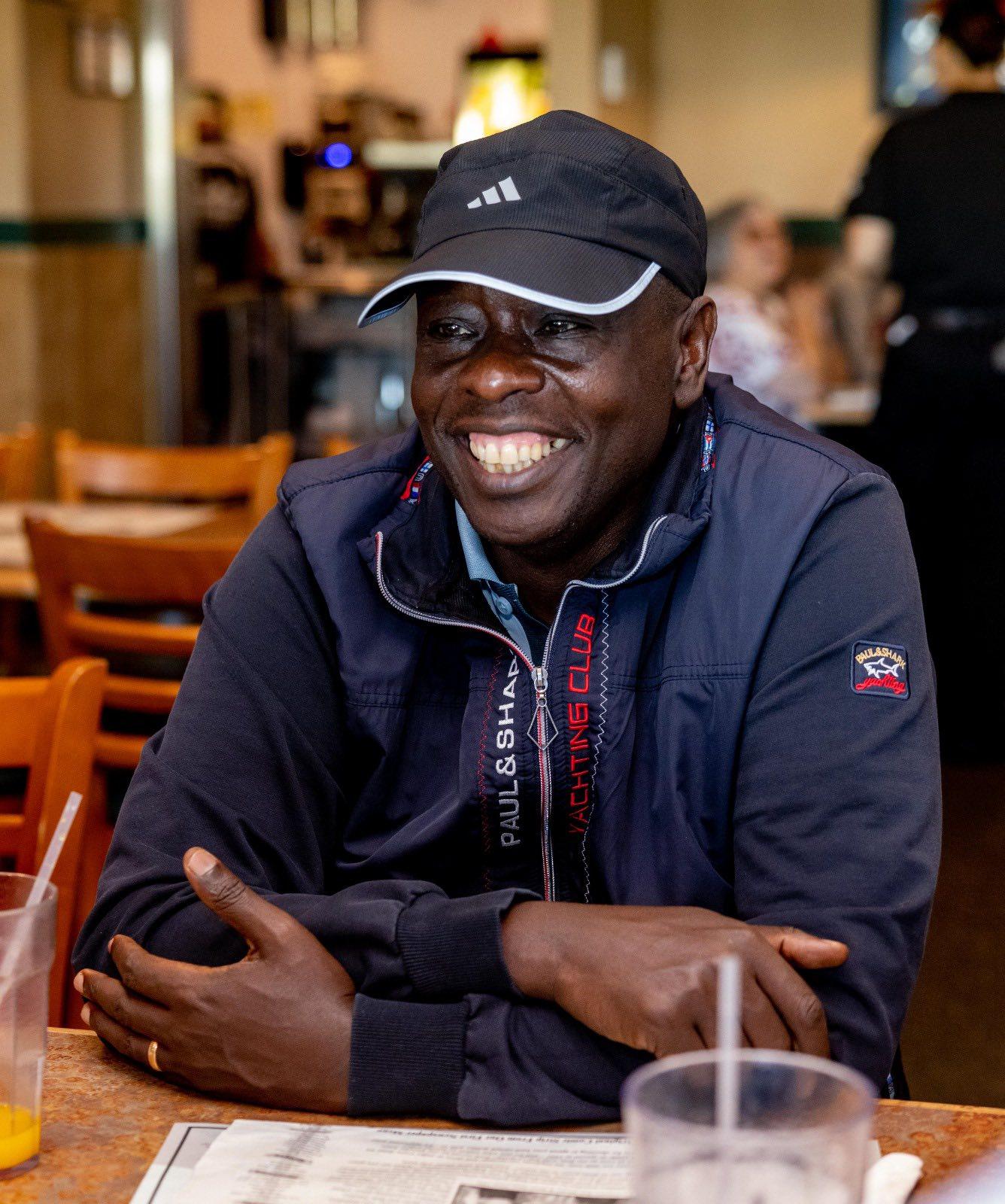
Martha Karua, a key ally in Gachagua’s opposition coalition, also addressed the gathering, delivering a powerful critique of the Ruto administration. She called for justice and a change in leadership, lamenting the direction in which she believes the country is heading. Her remarks resonated with the audience, many of whom expressed disillusionment with the current government’s policies. The event also featured cultural elements, with Samidoh and his crew providing entertainment, further strengthening the sense of community and shared purpose.
Gachagua’s Political Strategy
The Seattle meeting is part of a broader strategy by Gachagua to consolidate opposition support and position himself as a formidable contender in the 2027 Kenyan presidential election. Since launching the DCP on May 15, 2025, Gachagua has been vocal about his intention to unite opposition figures, including Kalonzo Musyoka (Wiper), Fred Matiang’i (former Interior Cabinet Secretary), Eugene Wamalwa (DAP-K), and Martha Karua, to challenge President Ruto’s re-election bid. The opening of the DCP’s Seattle office is a clear indication of his intent to leverage the diaspora’s influence, both politically and financially, to bolster his campaign.
The Kenyan diaspora in the U.S. is a significant force, contributing millions of dollars in remittances annually and wielding considerable influence in Kenyan politics. By establishing a physical presence in Seattle, Gachagua aims to create a structured platform for engaging this community, fostering grassroots support, and mobilizing resources. “This new office will strengthen our efforts, foster greater engagement, and bring our initiatives closer to the people of Seattle and the surrounding areas,” he stated during the office’s inauguration.
However, Gachagua’s U.S. tour has not been without controversy. Critics, including President Ruto’s advisor Prof. Makau Mutua, have dismissed the trip as a “waste of time and resources” with “zero political value.” Mutua’s remarks, which referenced the Kisii term “ndururu” (meaning “nothing” in this context), sparked debate on X, with some users defending Gachagua’s efforts to connect with the diaspora. Despite the criticism, Gachagua’s allies argue that the tour is laying the groundwork for a robust opposition campaign, with the diaspora playing a pivotal role.
The Abagusii community’s engagement with Gachagua in Seattle highlights their growing influence in Kenyan politics. Historically, the Abagusii have faced allegations of marginalization in national governance, a sentiment Gachagua has previously addressed. In May 2025, he accused President Ruto of sidelining the Abagusii in the reconstitution of the Independent Electoral and Boundaries Commission (IEBC), specifically citing the exclusion of Charles Nyachae, a prominent Abagusii leader, from the IEBC chairperson shortlist. Gachagua claimed that Ruto’s decision was motivated by personal grudges, referencing a 2007 electoral defeat in South Mugirango.
By meeting with the Abagusii in Seattle, Gachagua sought to reinforce his commitment to addressing such grievances and to position himself as a champion of regional inclusivity. The community’s response was overwhelmingly positive, with members expressing admiration for his leadership and dedication to Kenya’s future. Posts on X from accounts like @TheTackleKE and @Nairobi_Leo highlighted the warm reception Gachagua received, with photos capturing moments of unity and celebration.
Implications for Kenyan Politics
The Seattle meeting carries significant implications for Kenya’s political landscape. Gachagua’s focus on diaspora engagement signals a shift in how Kenyan politicians approach electoral campaigns. The diaspora, particularly in the U.S., is increasingly seen as a critical constituency, capable of influencing voter sentiment and providing financial support. By establishing a DCP office in Seattle, Gachagua is not only reaching out to the Abagusii but also setting a precedent for other Kenyan political parties to invest in diaspora networks.
Moreover, the meeting underscores the growing importance of unity as a political theme in Kenya. Gachagua’s call for unity resonates with a broader narrative of addressing regional and ethnic divides, which have long plagued Kenyan politics. His collaboration with figures like Martha Karua and his outreach to other opposition leaders suggest a concerted effort to build a coalition that transcends ethnic lines. However, his critics, including government-aligned MPs like Kimani Ichung’wah and Oscar Sudi, have accused him of promoting tribalism, particularly following his participation in the Ngemi Cia Ruraya cultural event in Seattle.
The Abagusii community’s commitment to “positive change,” as highlighted by Gachagua, aligns with a growing sentiment among Kenyans both at home and abroad. The challenges cited during the meeting—economic hardship, governance issues, and disillusionment with the current administration—reflect broader concerns that could shape the 2027 election narrative. Gachagua’s ability to capitalize on this sentiment will depend on his success in uniting opposition forces and maintaining momentum in the diaspora.
Cultural and Social Dimensions
Beyond its political significance, the Seattle meeting was a celebration of Kenyan culture and community spirit. The presence of Samidoh Muchoki, a popular Mugithi artist, added a cultural flair to the event, with performances that resonated with attendees. Photos shared on X captured moments of joy, with Gachagua and his wife dancing at the Seattle-Tacoma International Airport upon arrival, symbolizing the warmth and hospitality of the Abagusii community.
The event also highlighted the role of cultural festivals in fostering unity among the Kenyan diaspora. Just weeks earlier, Seattle hosted the 42nd Annual Ethiopian Sports and Cultural Festival (ESFNA), which drew thousands of attendees from across North America. While distinct from the Kenyan context, such events underscore the power of cultural gatherings in strengthening diaspora communities and providing platforms for political engagement.
Conclusion
Rigathi Gachagua’s meeting with the Abagusii community in Seattle on July 15, 2025, was a pivotal moment in his U.S. tour and his broader political strategy. By engaging with the diaspora, opening a DCP office, and emphasizing unity and positive change, Gachagua is laying the groundwork for a competitive opposition campaign ahead of the 2027 Kenyan elections. The Abagusii community’s enthusiastic response, coupled with the participation of figures like Martha Karua and Samidoh, underscores the meeting’s significance as both a political and cultural milestone.
As Gachagua continues his tour, his ability to maintain momentum, address criticisms, and build a broad-based coalition will be crucial. The Seattle meeting, with its focus on unity and shared aspirations, serves as a testament to the diaspora’s growing role in shaping Kenya’s future. For the Abagusii and other Kenyan communities abroad, Gachagua’s message of hope and change resonates deeply, setting the stage for a dynamic and contested political landscape in the years ahead.