By Brenda Wereh22 Jul, 202541 mins read 2,280 views
0 comments 0 likes
During a town hall meeting in Boston, Rigathi Gachagua criticized the Kenyan government for mismanaging the economy and urged diaspora Kenyans to push for reforms.
Former DP Gachagua arrived in Boston, Massachusetts, as part of his two-month United States tour to engage with the Kenyan diaspora. During a series of town hall meetings, cultural events, and discussions with business communities in Boston and Worcester, Gachagua launched a scathing critique of President William Ruto’s administration, accusing it of driving Kenya into an economic crisis through poor fiscal policies, corruption, and mismanagement.
https://shinebet.co.ke/
His fiery rhetoric, delivered to enthusiastic diaspora audiences, has reignited political tensions in Kenya, with Gachagua positioning himself as a key opposition figure ahead of the 2027 general election.
Background: Gachagua’s U.S. Tour and Political Context
Gachagua’s Boston visit, which began on July 17, 2025, marked a significant stop in his U.S. tour, which started in Seattle on July 10 and includes planned engagements in Dallas, California, and Baltimore. Accompanied by his wife, Pastor Dorcas Gachagua, the former Deputy President was warmly received at Boston Logan International Airport by members of the Kenyan diaspora, led by Diaspora Chairman David Gikonyo. His tour comes on the heels of his impeachment in October 2024, following a fallout with President Ruto over issues including Gachagua’s vocal criticism of the government’s handling of protests and economic policies. Since his ouster, Gachagua has assumed the role of de facto opposition leader, leveraging his Democracy for Citizens Party (DCP) to rally support both at home and abroad.
The Boston engagements, held on July 19 and 20, 2025, included town hall meetings, cultural events like Ngemi Cia Ruraya (a Kikuyu community gathering), and discussions with the diaspora business community. Gachagua’s central message was that Kenya is “on autopilot and on an economic nosedive” due to the Ruto administration’s “bad policy, misrule, corruption, state capture, and irresponsible governance.” His remarks resonate with a growing sentiment of disillusionment among Kenyans, both domestically and in the diaspora, amid rising fuel prices, high taxation, and persistent corruption scandals.
Gachagua’s Critique of the Economic Crisis
During a town hall meeting in Boston on July 20, 2025, Gachagua painted a grim picture of Kenya’s economic state, arguing that the country’s economic woes are a direct result of the government’s failure to fulfill pre-election promises. He highlighted the record-high diaspora remittances of $4.94 billion (Ksh640.75 billion) in 2024, which surpassed earnings from traditional sectors like tea, coffee, and tourism, as evidence of the diaspora’s critical role in sustaining Kenya’s economy. However, he accused the Ruto administration of creating an environment that discourages investment and economic participation, particularly for communities like Mt. Kenya, which he claims are being systematically targeted through economic suppression.
Gachagua pointed to the recent fuel price hikes announced in July 2025, which saw petrol increase by Ksh8.99 per litre, diesel by Ksh8.67, and kerosene by Ksh9.65, as a key driver of economic hardship. He argued that these increases, attributed to global oil prices and a weakened Kenyan shilling, have exacerbated the cost-of-living crisis, affecting businesses and households across all communities. He also criticized the government’s tax policies, echoing sentiments from the 2024 anti-Finance Bill protests, which saw widespread unrest and resulted in over 60 deaths. Gachagua claimed that the government’s heavy-handed response to these protests, including alleged unlawful killings and abductions, reflects a broader pattern of state repression and mismanagement.
In his Boston speech, Gachagua accused President Ruto of “declaring war on the Mt. Kenya community,” alleging that businesses in the region are being unfairly targeted and that Kikuyu youth face selective prosecution for participating in protests. He argued that this economic and political marginalization has led to a decline in business confidence, reduced investment, and lower tax remittances, pushing Kenya’s economy toward collapse. These claims have sparked controversy, with critics like Mumias East MP Peter Salasya accusing Gachagua of exaggerating the plight of Mt. Kenya for political gain and promoting tribalism. Salasya emphasized that economic hardship affects all Kenyans, regardless of ethnicity, citing struggles among Luos, Luhyas, Kambas, and others in regions like Mumias and Kakamega.
The Diaspora’s Role and Gachagua’s Appeal
Gachagua’s Boston engagements were strategically designed to harness the influence and resources of the Kenyan diaspora, which he described as a “powerful force for sustainable development.” He praised the diaspora’s cultural unity and entrepreneurial spirit, noting that events like Ngemi Cia Ruraya demonstrate the enduring connection Kenyans abroad maintain with their homeland. During a meeting with the business community in Worcester and Boston on July 19, 2025, Gachagua emphasized the need for policies that create a conducive environment for diaspora remittances and investments, which he argued are stifled by the current administration’s “poor fiscal policies.”
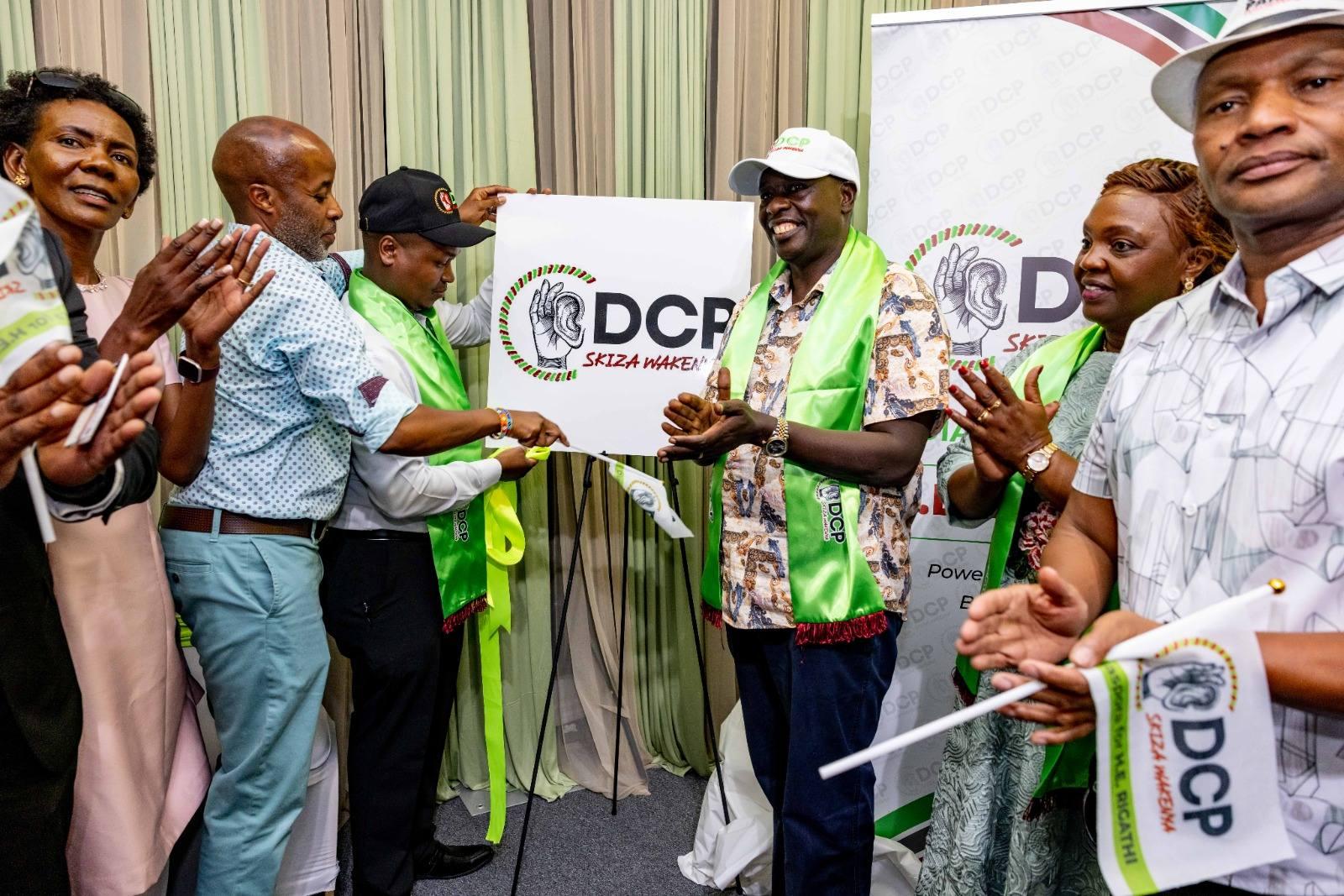
The former Deputy President also launched a satellite office for his DCP in Boston, signaling his intent to build a political base abroad. This move aligns with a 2023 study from the Journal of Ethnic and Migration Studies, which found that 15% of Kenyan diaspora remittances fund political activities, highlighting the diaspora’s growing role in shaping Kenya’s political landscape. Gachagua’s party slogan, “Skiza Wakenya” (Listen to Kenyans), was a recurring theme in his speeches, as he urged the diaspora to remain engaged in Kenya’s democratic processes and support leadership that prioritizes transparency and unity.
Political Backlash and Tribalism Allegations
Gachagua’s remarks have not gone unchallenged. His focus on the Mt. Kenya community has drawn accusations of tribalism, with critics arguing that his rhetoric risks deepening ethnic divisions. Prime Cabinet Secretary Musalia Mudavadi and National Assembly Speaker Moses Wetang’ula condemned Gachagua for “exporting tribal politics to the United States,” with Mudavadi describing his use of local dialects as divisive. In response, Gachagua defended his approach, stating, “When I talk in Kikuyu, or Kisii, or Luhya, it’s not exclusion; it’s comfort.” He argued that his “Cousin Movement,” a coalition drawing support from Kikuyu, Luhya, Kisii, and other communities, is a demand for genuine leadership rather than a tribal agenda.
Mumias East MP Peter Salasya was particularly vocal, accusing Gachagua of faking sympathy for political gain and reminding him of his role in supporting the Ruto administration’s policies during his tenure as Deputy President. Salasya’s post on X on July 20, 2025, emphasized that economic hardship is a national issue, not confined to Mt. Kenya, and urged Gachagua to embrace a more inclusive approach. Similarly, activist Mumbi Seraki suggested that Gachagua’s tour might be influenced by foreign powers seeking to redirect the Gen Z-led protest movement, accusing him of positioning himself as a messianic figure in a struggle he did not initiate.
Broader Political Implications
Gachagua’s Boston engagements mark a critical phase in his political comeback, as he seeks to consolidate support ahead of the 2027 election. His tour has been described as a “reawakening and rebranding” effort, with the DCP positioning itself as a reform-focused alternative to the Kenya Kwanza administration. However, his past as a staunch defender of Ruto’s policies, including his support for the controversial 2023 Finance Bill and his defense of police actions during protests, has complicated his narrative as an anti-establishment figure. Posts on X and media reports have highlighted these contradictions, with some Kenyans questioning his credibility given his previous role in the government he now criticizes.
The tour also comes amid heightened political tensions in Kenya, with recent protests, including the Saba Saba demonstrations on July 7, 2025, underscoring public frustration with the government. The arrest of activists and politicians allied with Gachagua, such as Naivasha MP Jayne Kihara and DCP youth leader Peter Kinyanjui, has fueled allegations of state repression, with Gachagua claiming that his family and allies are being targeted to silence his opposition. These developments have intensified speculation about an internal showdown in Mt. Kenya, where leaders like Moses Kuria, who resigned as Ruto’s Senior Economic Advisor in July 2025, are also vying for influence.
Public and Diaspora Reactions
Reactions to Gachagua’s Boston visit have been mixed. On X, some users praised his engagement with the diaspora, with posts like @meshac’s on July 19, 2025, highlighting his address to the business community as a sign of his commitment to economic empowerment. Others, however, echoed Salasya’s sentiments, accusing Gachagua of divisive rhetoric. A fake newspaper front page claiming that Kenyans in the U.S. snubbed Gachagua was debunked by Africa Check, underscoring the polarized nature of public discourse around his tour.
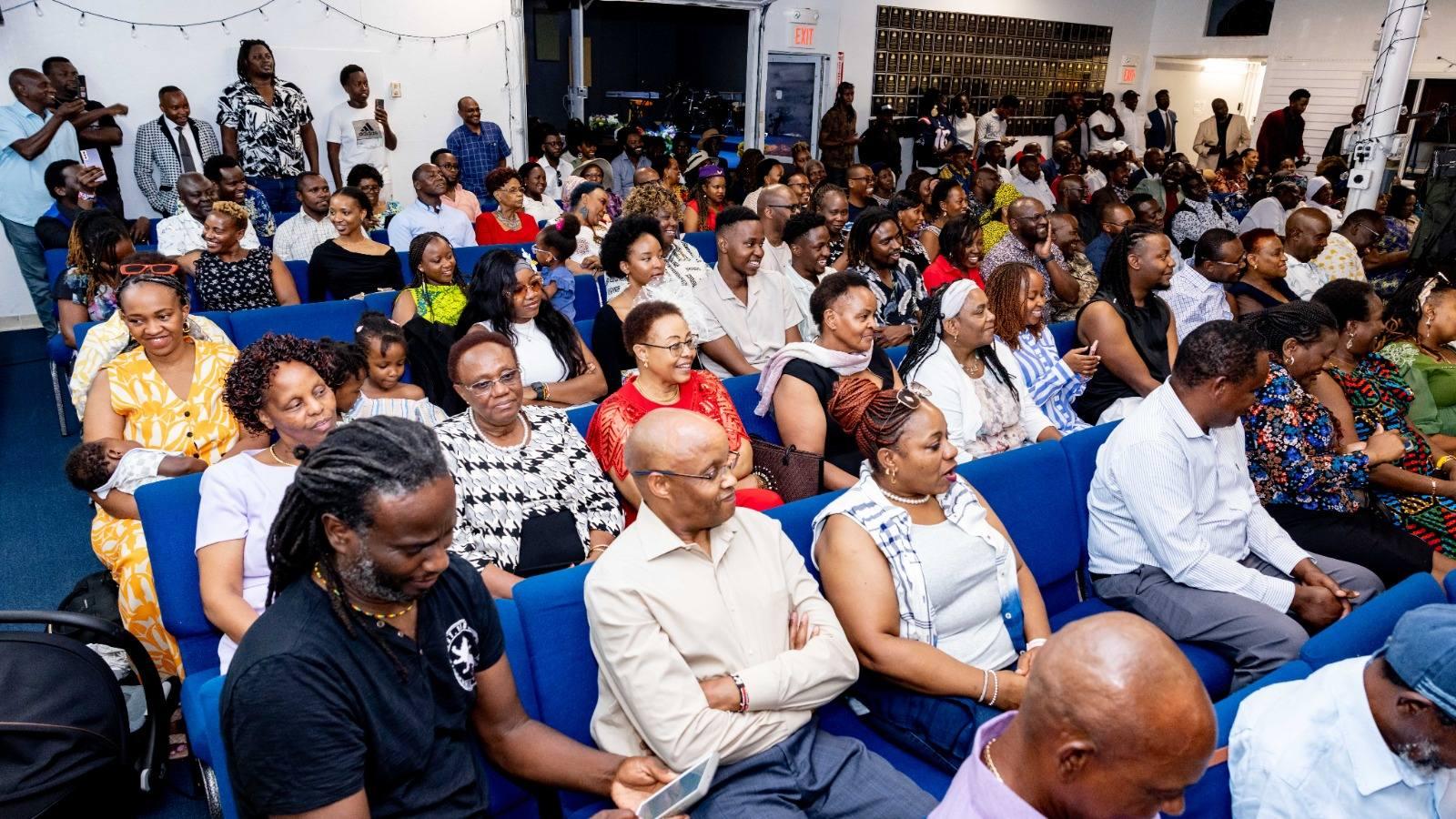
The diaspora community in Boston expressed enthusiasm for Gachagua’s visit, with many attendees at the Ngemi Cia Ruraya event and town halls voicing support for his call for governance reforms. However, some diaspora members, as reported by K24 Digital, expressed concern about the economic nosedive and sought assurances that their remittances would be protected from mismanagement. Gachagua’s promise of a “better Kenya” where education, healthcare, and social protection policies work resonated with these audiences, but his ability to translate this support into political capital remains uncertain.
Rigathi Gachagua’s Boston engagements in July 2025 represent a bold attempt to reassert his political relevance and mobilize the Kenyan diaspora against the backdrop of an escalating economic crisis. By blasting the Ruto administration for its alleged mismanagement, corruption, and ethnic bias, Gachagua has positioned himself as a champion of reform and a defender of marginalized communities, particularly Mt. Kenya. However, his rhetoric has sparked accusations of tribalism and opportunism, with critics highlighting his past role in the government he now opposes.
As Kenya grapples with rising fuel prices, high taxation, and public discontent, Gachagua’s U.S. tour underscores the growing influence of the diaspora in shaping the country’s political and economic future. His ability to sustain this momentum through his remaining stops in Dallas, California, and Baltimore will be crucial in determining whether he can emerge as a viable contender in 2027. For now, his Boston visit has amplified the national conversation about governance, accountability, and the role of the diaspora, setting the stage for a contentious political battle in the years ahead.
Former Kiambu Governor Ferdinand Waititu has secured a major bail reprieve from the High Court, with Justice Winfrida Okwany reducing his bail from Sh53.5 million to Sh20 million cash pending appeal in his ongoing corruption case.
President Ruto and Governor Sakaja signed a cooperation agreement allocating funds for 50,000 new streetlights, water plants saving 50 million litres daily, 27 km Nairobi River sewer and ward road upgrades, with Ruto calling it a partnership to make the city livable while opposition senators warn of devolution threats.
A staff member at Moi Teaching and Referral Hospital allegedly stole Sh10 million by falsifying patient bills as paid in the eCitizen system while diverting the money to her personal account, prompting an ongoing police and hospital investigation.