A Nairobi court granted activist Boniface Mwangi release on a KSh 1 million bond on Monday, July 21, 2025, following his plea of not guilty to two charges related to the unlawful possession of ammunition and three teargas canisters. The ruling, delivered at Kahawa Law Courts by Magistrate Gideon Kiage at 1:00 PM East Africa Time, marked a pivotal moment in a case that has drawn widespread attention across Kenya. Mwangi, a prominent human rights advocate known for his vocal criticism of government policies, appeared before the court alongside a team of supporters and legal representatives. The case, which stems from events alleged to have occurred on July 19, has been adjourned for mention on August 19, allowing legal proceedings to continue amid ongoing public debate. Outside the courtroom, a supporter waved a small Kenyan flag, saying, “This is a step toward justice for him.”
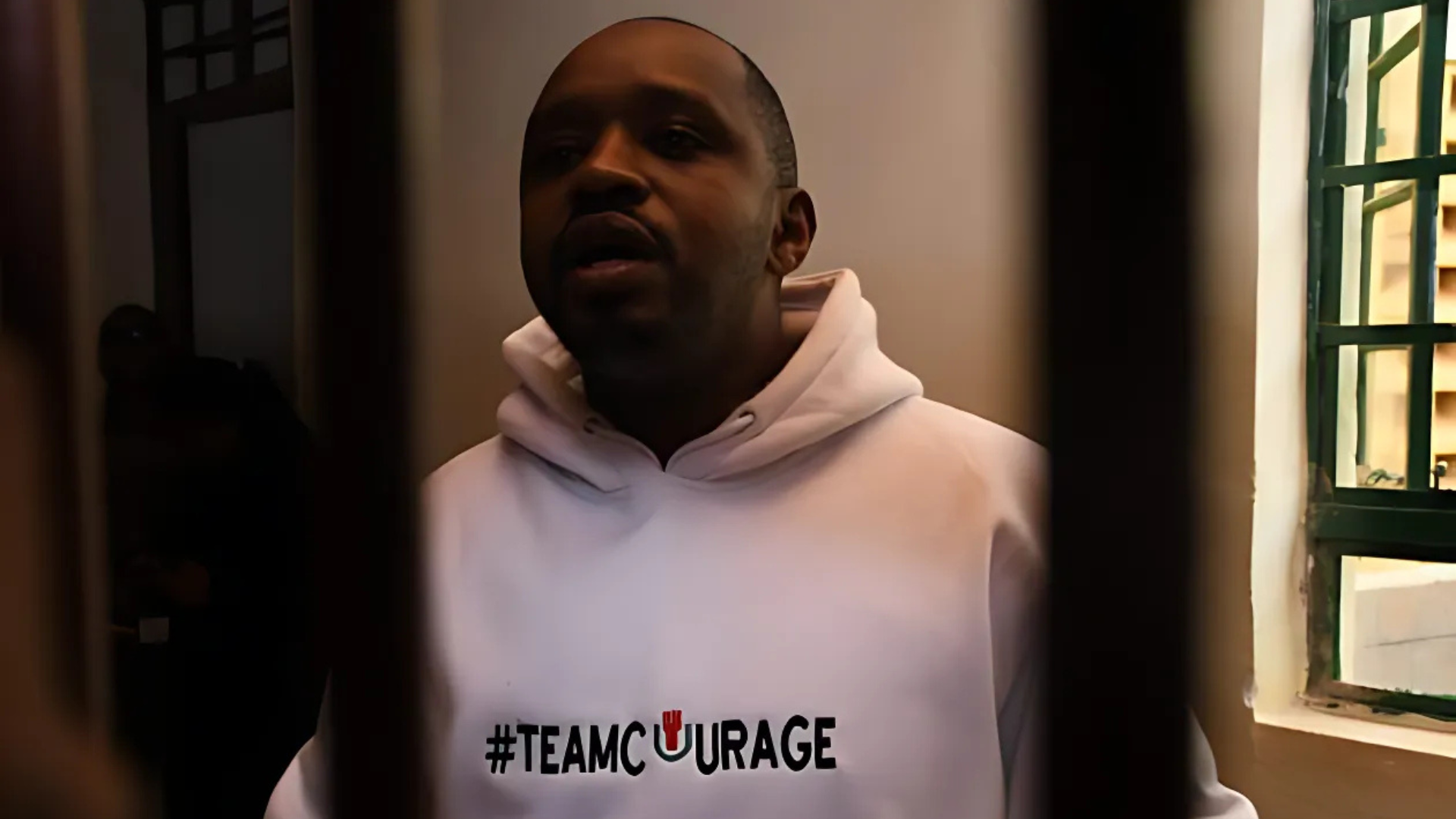
The charges against Mwangi arose from a police operation earlier this month, with authorities alleging that items including three teargas canisters and a single round of ammunition were found at his office, Mageuzi Hub, located on Rose Avenue in Hurlingham. The 42-year-old activist, arrested on July 19 at his Lukenya residence in Machakos County, faced initial accusations of facilitating terrorist activities during the June 25 protests. However, those charges were dropped, and the prosecution shifted focus to the Firearms Act, citing unlawful possession without a valid certificate. Mwangi’s lawyer, Njanja Maina, addressed the media outside the court, stating, “My client maintains his innocence; these charges are baseless and will be challenged thoroughly.” The courtroom buzzed with tension as the magistrate read the bond terms, setting a personal bond of KSh 1 million with one surety of a similar amount.
The arrest and subsequent legal action have ignited a firestorm of reactions, with Mwangi’s supporters gathering outside Pangani Police Station and the courthouse, chanting slogans of solidarity. The activist’s wife, Hellen Njeri, who had earlier described the arrest as a targeted raid, stood among the crowd, her voice steady as she spoke. “They took him from our home, claiming terrorism, but now it’s about teargas—this shows their confusion,” she said, her hands clasped as friends offered support. The case has amplified discussions about the use of legal measures to silence dissent, with human rights groups questioning the evidence presented by the Directorate of Criminal Investigations. A young man in the crowd, holding a placard, added, “This is harassment; we won’t let it stand.”
The courtroom proceedings revealed that the prosecution alleged Mwangi was found in possession of the teargas canisters and a 7.62 x 51mm blank round during a search of his office. Police reports claimed the items were discovered alongside electronic devices and documents, fueling the initial terrorism narrative. However, Mwangi’s defense team argued that the evidence was planted, a claim supported by his denial of ownership. “He had no such items; this is a fabricated case to intimidate him,” Maina asserted, flipping through case files as journalists scribbled notes. The magistrate, acknowledging the need for further investigation, set the mention date to allow both sides to prepare, a decision that drew mixed responses from the packed gallery.
Public sentiment has been polarized, with social media platforms lighting up with hashtags like #FreeBonifaceMwangi since his arrest. In Nairobi’s bustling streets, a vendor selling newspapers remarked, “He’s a voice for the people; they’re trying to silence him.” In contrast, a taxi driver in Mombasa, listening to the radio, expressed skepticism. “If he had those things, there must be a reason,” he said, navigating traffic as passengers debated the issue. The case has tapped into broader concerns about the June protests, where dozens were killed and public property damaged, prompting authorities to crack down on perceived organizers. Mwangi, a former photojournalist who once ran for parliament on an anti-corruption platform, has long been a target of such scrutiny.
The bond conditions required Mwangi to report to the police station weekly and surrender his travel documents, measures aimed at ensuring his availability for future hearings. As he stepped out of the courtroom, flanked by lawyers and supporters, he addressed the crowd briefly. “I’m not a criminal; I fight for justice, and we’ll prove that in court,” he said, his voice cutting through the cheers and camera clicks. The release on bond offered temporary relief to his family, with Njeri later sharing plans to support him through the legal battle. “We’ll stand by him; this is about more than just him,” she told a group gathered outside their home in Lukenya.
Legal experts following the case suggested that the mention date would allow the defense to scrutinize the evidence, particularly the chain of custody for the alleged items. A lawyer in Kisumu, discussing the matter with colleagues over tea, noted, “They’ll need to show how those canisters got there; it’s a weak case without proof.” The prosecution, represented by a state counsel, requested a 21-day detention period initially, citing the need to complete investigations, but the court opted for the bond instead. This decision reflected a balance between public safety concerns and Mwangi’s rights, a point debated by onlookers outside the court. “They should let him go fully; this is a setup,” said a woman selling fruit nearby, her stall surrounded by curious passersby.
The arrest’s aftermath saw a wave of condemnation from civil society, with groups like the Kenya Human Rights Commission labeling the charges as a “trumped-up accusation” to stifle activism. In Eldoret, a community leader organizing a discussion group remarked, “This is about silencing voices; we’ve seen it before.” The shift from terrorism charges to ammunition possession has fueled speculation about political motives, especially given Mwangi’s role in mobilizing protests against government policies. A student in Nakuru, scrolling through updates on his phone, added, “They’re scared of him because he speaks the truth.” The case’s progression to August 19 will likely intensify these debates, with both sides preparing their arguments.
Mwangi’s history of activism, including arrests during past demonstrations and a notable detention in Tanzania earlier this year, has shaped public perception. His supporters view him as a symbol of resistance, while critics argue his methods invite legal consequences. In Thika, a shopkeeper tuning into a radio broadcast said, “He’s bold, but this could hurt his cause if they find evidence.” The recovered items, including laptops and hard drives, have raised questions about the scope of the investigation, with some suggesting a broader probe into his operations at Mageuzi Hub. A technician in Nairobi, repairing a computer, mused, “Those devices could tell a story; let’s see what comes out.”
The legal battle’s next phase will hinge on forensic analysis and witness testimonies, with the defense likely to challenge the police narrative. Mwangi’s team plans to file motions to transfer the case to Milimani Law Courts, citing the seriousness of the charges. “We want a fair hearing, and that requires the right venue,” Maina told reporters, her briefcase in hand as she left the courthouse. The mention date offers a window for preparation, with the activist vowing to use it to clear his name. “This is a fight for all of us,” he told supporters, his voice carrying over the noise of the departing crowd.
Communities across Kenya have followed the developments closely, with rural areas like Marsabit hearing updates via radio. A herder there, resting under a tree, said, “He’s one of us; they shouldn’t target him.” In contrast, a security guard in Garissa, patrolling a quiet street, expressed concern. “If he had those things, it’s a problem for all of us,” he said, his flashlight scanning the darkness. The case has become a litmus test for the government’s approach to dissent, with international observers likely to monitor its outcome. A teacher in Kitui, preparing lessons, noted, “This will show if justice is for everyone.”
As the day drew to a close, Mwangi returned to Lukenya, greeted by family and friends. The evening air carried the sound of distant conversations, with neighbors gathering to discuss the day’s events. A youth leader in Mombasa, planning a solidarity march, reflected, “This isn’t over; we’ll keep pushing.” The KSh 1 million bond, while a financial burden, symbolized a temporary reprieve, with the August 19 mention date looming as a critical juncture. The activist’s resolve, mirrored by his supporters, suggested a prolonged struggle, its resolution uncertain but its stakes clear to all involved.