By Brenda Wereh07 Jul, 202537 mins read 2,382 views
0 comments 0 likes
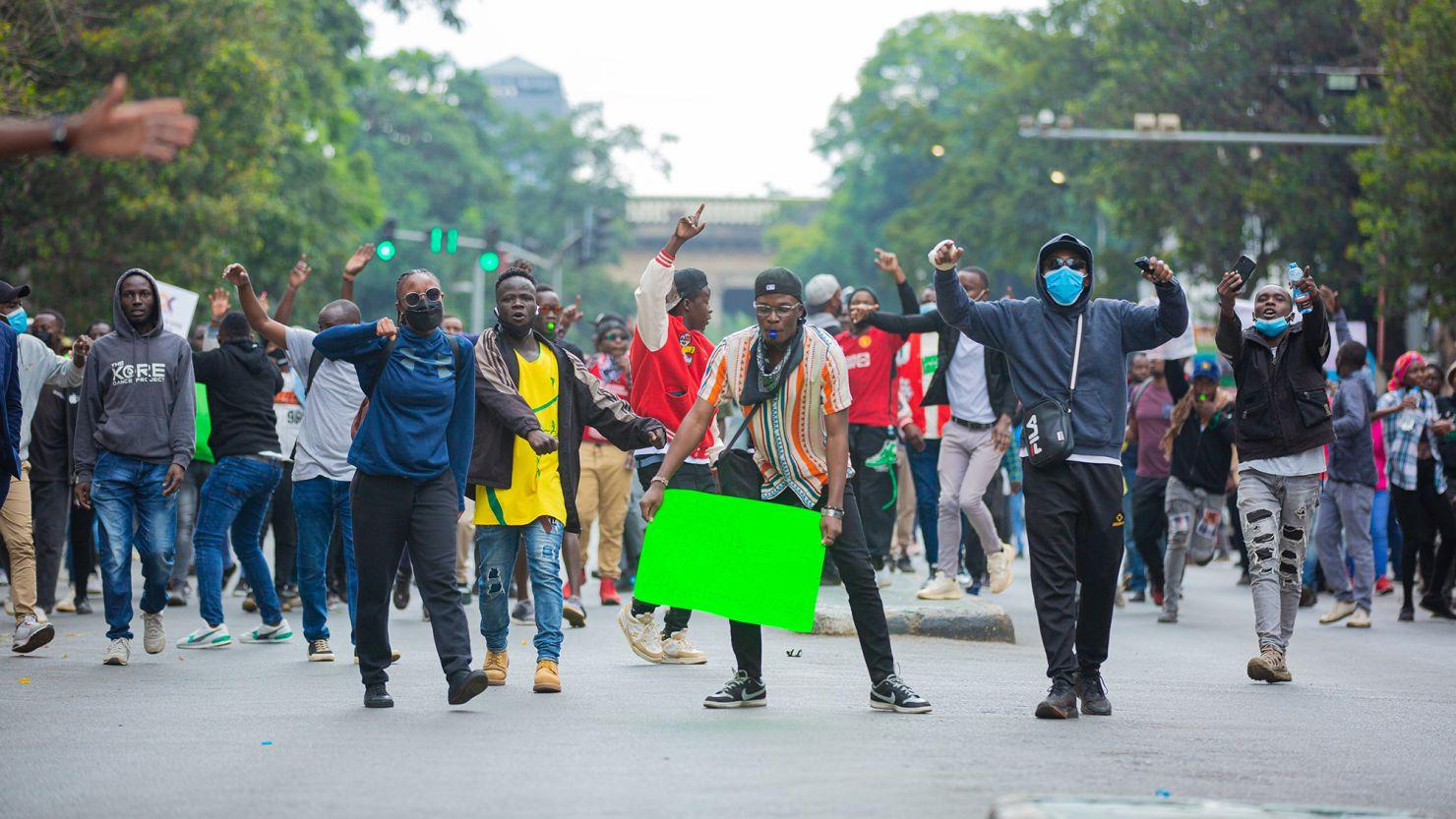
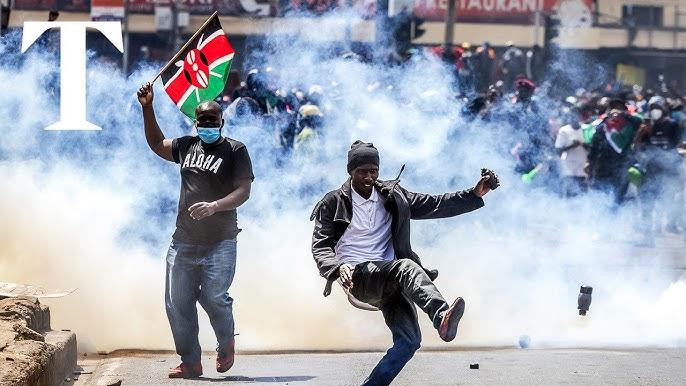
Tensions flared on Thika Road as police clashed with protesters attempting to march into Nairobi CBD. The standoff disrupted traffic and sparked fresh concerns over civil unrest amid ongoing anti-government demonstrations.
Nairobi’s Thika Road, one of Kenya’s busiest highways, became a flashpoint of tension as anti-government protesters clashed with police in a bid to march toward the Central Business District (CBD). The confrontations, part of the broader Saba Saba Day commemorations, underscored deep-seated grievances among Kenya’s youth, particularly Generation Z, who have been at the forefront of recent protests demanding accountability, economic justice, and an end to police brutality. This article delves into the events of the day, the historical significance of Saba Saba, the reasons behind the protests, the government’s response, and the broader implications for Kenya’s political and economic landscape.
Saba Saba, Swahili for “Seven Seven,” commemorates the historic pro-democracy protests of July 7, 1990, which challenged the one-party rule of former President Daniel arap Moi. Led by opposition figures like Kenneth Matiba, Charles Rubia, and Jaramogi Oginga Odinga, those demonstrations were pivotal in paving the way for multiparty elections in 1992. The day has since become a symbolic rallying point for Kenyans advocating for political reform, accountability, and justice. In 2025, the 35th anniversary of Saba Saba coincided with a wave of anti-government sentiment, fueled by allegations of corruption, poor governance, and a high cost of living under President William Ruto’s administration.
The 2025 protests were particularly significant because they followed a year of intense demonstrations, most notably the June 25, 2024, protests against the controversial Finance Bill, which saw parliament stormed and significant loss of life. The memory of these events, coupled with ongoing economic challenges, galvanized young Kenyans to take to the streets once more, with Thika Road emerging as a key battleground.
The Clashes on Thika Road
On the morning of July 7, 2025, Nairobi awoke to a city under lockdown. Police had mounted roadblocks on major arteries, including Thika Road, Waiyaki Way, Mombasa Road, and Kenyatta Avenue, in anticipation of planned protests. On Thika Road, specific choke points like Roysambu, Kasarani, and Guri Nanak saw heavy police presence, with anti-riot units and, in some areas, Kenya Air Force officers assisting in crowd control. These roadblocks caused significant disruptions, leaving commuters stranded and paralyzing traffic into and out of the CBD.
By mid-morning, groups of protesters, largely comprised of Gen Z activists, began assembling along Thika Road, chanting slogans and waving Kenyan flags. Social media posts on X captured the escalating tension, with videos showing protesters at Ruaraka Junction hurling stones at police, who responded with tear gas and warning shots. One post described a “mammoth crowd” chanting liberation songs as they advanced toward the CBD, only to be met with volleys of tear gas.
The clashes were particularly intense at Roysambu, where protesters briefly overpowered police, forcing a temporary retreat. Videos circulating online showed stones scattered across the road and fires burning on both sides, rendering sections of Thika Road impassable. Despite the police’s use of tear gas, demonstrators remained resilient, regrouping and continuing their march toward the CBD.
The protests were not confined to Thika Road. Similar scenes unfolded in other parts of Nairobi, including Juja and the CBD itself, where small groups of demonstrators gathered near the National Archives. However, the heavy security presence, including razor wire barricades around key government sites like State House and parliament, limited the protesters’ ability to converge in large numbers in the CBD.
Reasons Behind the Protests
The 2025 Saba Saba protests were driven by a confluence of grievances, many of which echoed the demands of the 1990 demonstrations but were adapted to contemporary challenges. At the forefront were calls for accountability and an end to police brutality. Since June 2024, over 80 people have been killed in protests, with dozens more detained illegally, according to reports. The deaths of young protesters, such as Albert, allegedly killed inside a police station, fueled anger and distrust toward security forces.
Economic issues also played a significant role. Kenya’s youth, facing high unemployment and a rising cost of living, expressed frustration with the government’s economic policies. The 2024 Finance Bill protests had highlighted discontent with tax hikes and perceived mismanagement, and these sentiments carried over into 2025. Protesters demanded President Ruto’s resignation, accusing his administration of corruption and failing to deliver on promises of economic relief.
Additionally, the protests were a call for justice and dignity. As one activist noted, “Kenya’s youth are calling for meaningful engagement, economic justice, dignity, and leadership that is transparent and accountable.” The digitally empowered Gen Z, leveraging platforms like X, organized and amplified their message, framing the protests as a continuation of the fight for the unfulfilled promises of the 1990 Saba Saba movement.
Government and Police Response
The government’s response to the protests was marked by a heavy-handed security crackdown. As early as 2 a.m. on July 7, anti-riot police were deployed across Nairobi, with roadblocks and razor wire sealing off key routes. Deputy Inspector General Gilbert Masengeli defended the heavy security presence, insisting that the CBD remained open to all. However, reports of pedestrians being questioned or turned away at checkpoints suggested otherwise.
The government also issued warnings against looting and accessing protected areas, citing the Protected Areas Act. Interior Minister Kipchumba Murkomen emphasized the government’s commitment to protecting life and property, warning that security forces were on high alert to deal with “criminals” seeking to disrupt peaceful protests. This rhetoric, however, was criticized by activists who accused the government of labeling legitimate protesters as criminals to justify excessive force.
In a controversial move, the Communications Authority of Kenya had previously ordered media outlets to halt live coverage of protests, a directive that drew both praise and criticism. While some commended stations like Citizen TV for continuing to broadcast, others saw the order as an attempt to suppress information.
Opposition leader Raila Odinga, a veteran of the original Saba Saba protests, called for demonstrations to be held at Kamukunji Grounds rather than the CBD, emphasizing the symbolic importance of the location. He urged Kenyans to reflect on the country’s democratic struggles and the unfulfilled promises of multiparty democracy.
Economic and Social Impact
The protests and the accompanying security measures had a profound impact on Nairobi’s economy and daily life. Thika Road Mall (TRM), a major commercial hub, announced a full-day closure on July 7, citing a security advisory from G4S warning of potential unrest. Other businesses in the CBD, Pipeline, Githurai, and Mlolongo followed suit, with many shops fortifying their premises with metal grills to prevent looting. The Kenya Bankers Association advised staff to work remotely or from branches outside protest hotspots.
The economic toll was significant. The June 25, 2024, protests had already caused billions of shillings in damages, and businesses feared a repeat. The government warned that continued protests could cripple Kenya’s economy and deter investors, a concern echoed by traders like Cynthia Anyango, who said, “The last protests wiped us out. We’re not taking any chances this time.”
Commuters faced severe disruptions, with many forced to walk long distances due to roadblocks. Kenya Railways’ cancellation of the Madaraka Express from Mombasa to Nairobi, citing a “technical fault,” left passengers stranded, with some suspecting the move was intended to prevent protesters from traveling to the capital.
Broader Implications
The clashes on Thika Road and the broader Saba Saba protests highlight a growing divide between Kenya’s leadership and its youth. The heavy security response, while aimed at maintaining order, risks further alienating a generation already disillusioned with the government. The protests also underscore the enduring legacy of Saba Saba as a symbol of resistance and the ongoing struggle for democratic ideals.
The involvement of Gen Z, a demographic that has leveraged digital platforms to organize and amplify their message, signals a new era of activism in Kenya. Unlike the 1990 protests, which were led by established political figures, the 2025 demonstrations are largely youth-driven, decentralized, and fueled by social media. This shift poses both opportunities and challenges for Kenya’s political landscape, as the government grapples with how to engage a tech-savvy, politically conscious generation.
Internationally, the protests have drawn attention to Kenya’s democratic challenges. The U.S. Embassy in Kenya issued a demonstration alert, noting ongoing protests and clashes in Nairobi and other towns. The violent response of security forces, including the use of tear gas and ammunition, has raised concerns about human rights and the right to protest.
Conclusion
The clashes on Thika Road on July 7, 2025, were more than just a confrontation between protesters and police; they were a manifestation of deep-seated frustrations with Kenya’s political and economic system. As the country marked the 35th anniversary of Saba Saba, the protests served as a reminder of the sacrifices made for democracy and the work that remains to achieve true accountability and justice. While the government’s heavy-handed response may have limited the scale of the demonstrations, it did little to address the underlying grievances driving them. As Kenya moves forward, the voices of its youth, amplified by the events on Thika Road, will continue to shape the nation’s future.
Former Kiambu Governor Ferdinand Waititu has secured a major bail reprieve from the High Court, with Justice Winfrida Okwany reducing his bail from Sh53.5 million to Sh20 million cash pending appeal in his ongoing corruption case.
President Ruto and Governor Sakaja signed a cooperation agreement allocating funds for 50,000 new streetlights, water plants saving 50 million litres daily, 27 km Nairobi River sewer and ward road upgrades, with Ruto calling it a partnership to make the city livable while opposition senators warn of devolution threats.
A staff member at Moi Teaching and Referral Hospital allegedly stole Sh10 million by falsifying patient bills as paid in the eCitizen system while diverting the money to her personal account, prompting an ongoing police and hospital investigation.