By Brenda Wereh28 Jul, 202530 mins read 2,288 views
0 comments 0 likes
A new parliamentary proposal aims to limit State CEOs’ terms to three years, renewable once, to ensure equal treatment and reduce confusion across parastatals.
A significant governance reform took shape in Nairobi on Monday, July 28, 2025, as a new proposal was tabled in Parliament to limit the terms of all State Chief Executive Officers (CEOs) to three years, renewable once for a maximum of six years. The motion, introduced during a morning session at 9:36 AM East Africa Time, seeks to standardize leadership tenures across parastatals, addressing long-standing concerns over inconsistent appointment durations and perceived favoritism. The initiative, championed by a coalition of lawmakers, aims to end confusion surrounding tenure policies and ensure equitable treatment across the diverse network of state-owned enterprises. “This is about fairness and accountability; no one should hold power indefinitely,” a sponsoring MP said, addressing colleagues in the National Assembly chamber.
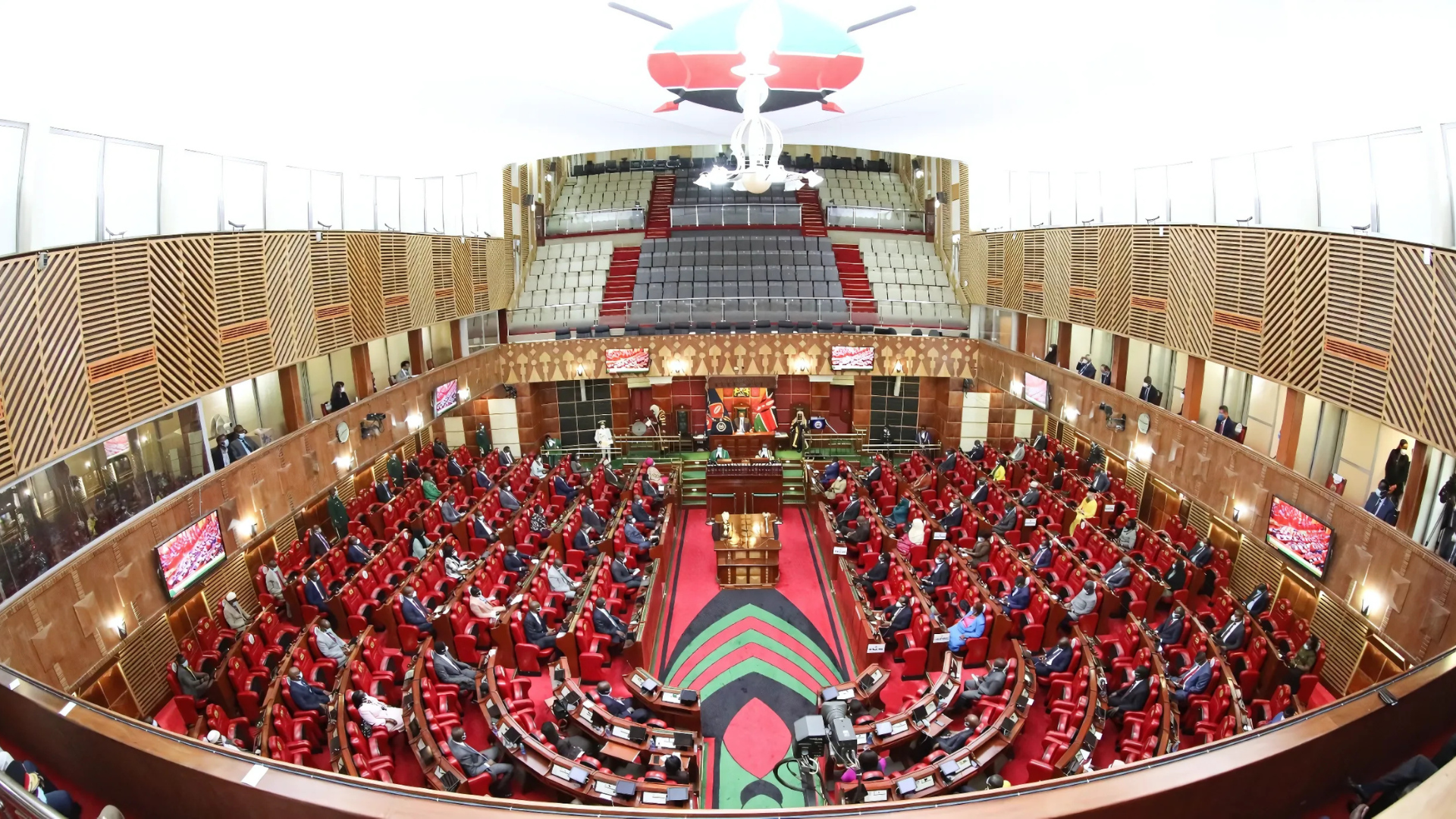
Kenyan parliament
The proposal emerges against a backdrop of varied CEO tenures, with some leaders serving over a decade while others face abrupt terminations, creating uncertainty within parastatals. The bill proposes a uniform three-year initial term, renewable once subject to performance reviews, aligning with practices in the private sector and some public institutions. This structure aims to balance experience with fresh perspectives, a shift welcomed by some but met with resistance from others accustomed to longer tenures. A public servant in Nakuru, reviewing a parastatal report, noted, “If they enforce this, it could bring new ideas to our organization.” The move reflects growing calls for transparency in state appointments, a topic debated across Kenya’s political landscape.
The confusion over CEO terms has roots in the lack of a cohesive policy, with some parastatals governed by specific Acts allowing indefinite renewals, while others adhere to ad hoc contracts. This inconsistency has fueled perceptions of unequal treatment, with allegations that politically connected CEOs secure extended terms. The proposed legislation would apply to all 187 parastatals, from health bodies like the Kenya Medical Practitioners and Dentists Council to economic entities like the National Cereals and Produce Board. A farmer in Eldoret, delivering grain to a depot, said, “Long-serving leaders sometimes forget the farmers; a change could help.” The bill mandates performance evaluations by independent panels before renewal, aiming to base decisions on merit.
Public reaction has been a blend of support and skepticism. In Kisumu, a teacher preparing lessons listened to the news on a radio, saying, “Three years is enough to show results; longer terms can breed complacency.” In contrast, a shopkeeper in Mombasa, serving customers, expressed concern. “What if a good CEO is forced out after six years?” he asked as the broadcast played. The proposal includes provisions for transitional arrangements, allowing current CEOs with longer terms to complete their existing contracts, with new appointments adhering to the six-year cap from the effective date. A youth leader in Naivasha, organizing a community meeting, added, “This could open opportunities for young leaders if done right.”
The legislative process began with the tabling of the State Corporations (Amendment) Bill, sponsored by a cross-party group seeking to amend the State Corporations Act. The bill proposes that the Public Service Commission oversee appointments and renewals, ensuring a standardized process. Lawmakers argue this will reduce political interference, a frequent criticism of parastatal governance. During the session, an MP from the Finance Committee noted, “We need a system that works for all, not just a few.” The proposal also calls for annual performance reports to be made public, fostering accountability. A driver in Garissa, fueling his matatu, remarked, “If they publish results, we can hold them accountable.”
Parastatals play a crucial role in Kenya’s economy, employing over 150,000 people and managing sectors from water to education. However, inefficiencies and leadership stagnation have hampered progress, with some CEOs accused of entrenching personal interests. The six-year limit aims to inject dynamism, encouraging innovation while allowing sufficient time to implement long-term strategies. A nurse in Thika, attending a health forum, said, “New leaders could bring better health policies if they’re judged fairly.” The bill’s sponsors cite examples like the Kenya Ports Authority, where a decade-long CEO tenure coincided with operational delays, suggesting shorter terms could prompt action.
Stakeholders, including parastatal employees and unions, have welcomed the clarity but seek safeguards. In Eldoret, a Kenya National Union of Teachers representative addressed members, saying, “We support this if it includes proper evaluation, not just politics.” The proposal outlines a performance review framework, involving sector experts and public input, to assess CEOs on financial management, service delivery, and stakeholder engagement. A student in Nyahururu, checking updates on his phone, noted, “Six years is fair if they deliver results.” The transition period, estimated at two years, will allow current leaders to align with the new rules, minimizing disruption.
Communities across Kenya have engaged in discussions about the change. In rural areas like Kitale, a farmer tending maize fields heard a radio update, saying, “Shorter terms might push them to help us more.” In urban centers like Kisii, a shopkeeper tuning into a broadcast added, “We need to see who they appoint next.” The bill’s passage could influence governance beyond parastatals, setting a precedent for other public offices. A mother in Nakuru, feeding her children, expressed hope. “If it brings better services, I’m for it,” she said, clearing the table. The proposal has sparked a national conversation on leadership renewal.
The economic context, with public debt at Sh10 trillion and inflation at 5.5%, underscores the need for efficient parastatal management. Lawmakers argue that capping terms could reduce costs associated with prolonged leadership, such as inflated salaries and perks. A lawyer in Kisumu, discussing over tea, remarked, “This could save money if they enforce it strictly.” The bill also proposes a cooling-off period of two years before a former CEO can return, preventing revolving-door appointments. A youth leader in Naivasha, organizing a rally, reflected, “We want fresh faces, not the same old names.”
As the morning progressed, the story spread to remote areas via word of mouth and radio. In Baringo, a herder tending cattle paused to hear an update, saying, “New leaders might fix water issues.” In Nairobi’s Gikomba market, a vendor packing grains noted, “Let’s see if this changes how parastatals work.” The proposal faces scrutiny in committee stages, with public hearings planned to gather input. A community organizer in Turkana, planning a radio discussion, remarked, “This is a chance to improve governance if they listen.” The bill’s success hinges on broad support and effective implementation.
The afternoon brought a reflective mood to offices and homes. In Nakuru, a public servant preparing a report said, “A six-year limit could shake things up for the better.” In Thika, a father waiting at a clinic added, “We need leaders who act fast on health.” The proposal’s sponsors emphasize its potential to end the confusion of varied tenures, with some CEOs serving indefinitely under outdated laws. A teacher in Eldoret, marking papers, noted, “Uniform rules would make things fairer.” The transition plan includes training for new appointees, ensuring they understand their time-bound roles.
Legal experts suggest the bill could reshape public sector dynamics, with a community elder in Malava leading a meeting to say, “They must ensure performance, not just terms.” The process will involve amending existing parastatal Acts, a complex task requiring consensus. A vendor in Timau, closing his stall, added, “Let’s hope it brings progress, not just change for change’s sake.” The proposal’s passage could set a benchmark for governance reform, with the National Assembly poised to debate its merits in the coming weeks. A mother in Kisumu, preparing dinner, expressed cautious optimism. “If it works, our services might improve,” she said, stirring a pot.
The evening saw continued engagement across Kenya. In Marsabit, a herder listening to a radio update said, “Shorter terms could mean better focus on our needs.” In Nairobi’s cyber cafes, a student scrolling through news added, “This could open doors for new talent.” The bill’s sponsors plan to hold regional forums, ensuring public voices shape the final text. A youth leader in Kitale, organizing a community event, reflected, “We want a say in who leads us.” The proposal marks a pivotal moment for parastatal governance, with the potential to foster renewal and accountability in Kenya’s public sector.
Former Kiambu Governor Ferdinand Waititu has secured a major bail reprieve from the High Court, with Justice Winfrida Okwany reducing his bail from Sh53.5 million to Sh20 million cash pending appeal in his ongoing corruption case.
Kenya National Highways Authority names Eng. Luka Kipchumba Kimeli as Director General while Kenya Roads Board appoints Judith Otsyula to the same role in major leadership changes for Kenya's roads sector.
Kenya’s Committee on Communication, Information and Innovation has rejected calls for a complete ban on TikTok, instead proposing mandatory local storage of Kenyan user data and full compliance with national laws in a report adopted for debate in the National Assembly.