A significant legal and political debate ignited in Kenya this afternoon, Wednesday, July 30, 2025, as Members of Parliament prepared to review a contentious law that exempts the estates of former Presidents Jomo Kenyatta and Daniel Moi from inheritance tax, formally known as Estate Duty. The move, announced during a session of the National Assembly at 2:30 PM East Africa Time, follows a petition lodged by public interest litigation advocates John Wangai and Muhia Kagwe, who argue that Section 7(3) of the Estate Duty Act (Cap 483) violates Article 210(3) of the Constitution. That article stipulates that no law should permit the exclusion of a state officer from tax obligations based on their office or duties. The petition has thrust the issue into the spotlight, prompting widespread discussion among citizens and officials. “This is about fairness for all Kenyans, not just a few,” Wangai said outside Parliament, addressing a small group of supporters. The review promises to test the balance between historical privilege and constitutional equity.
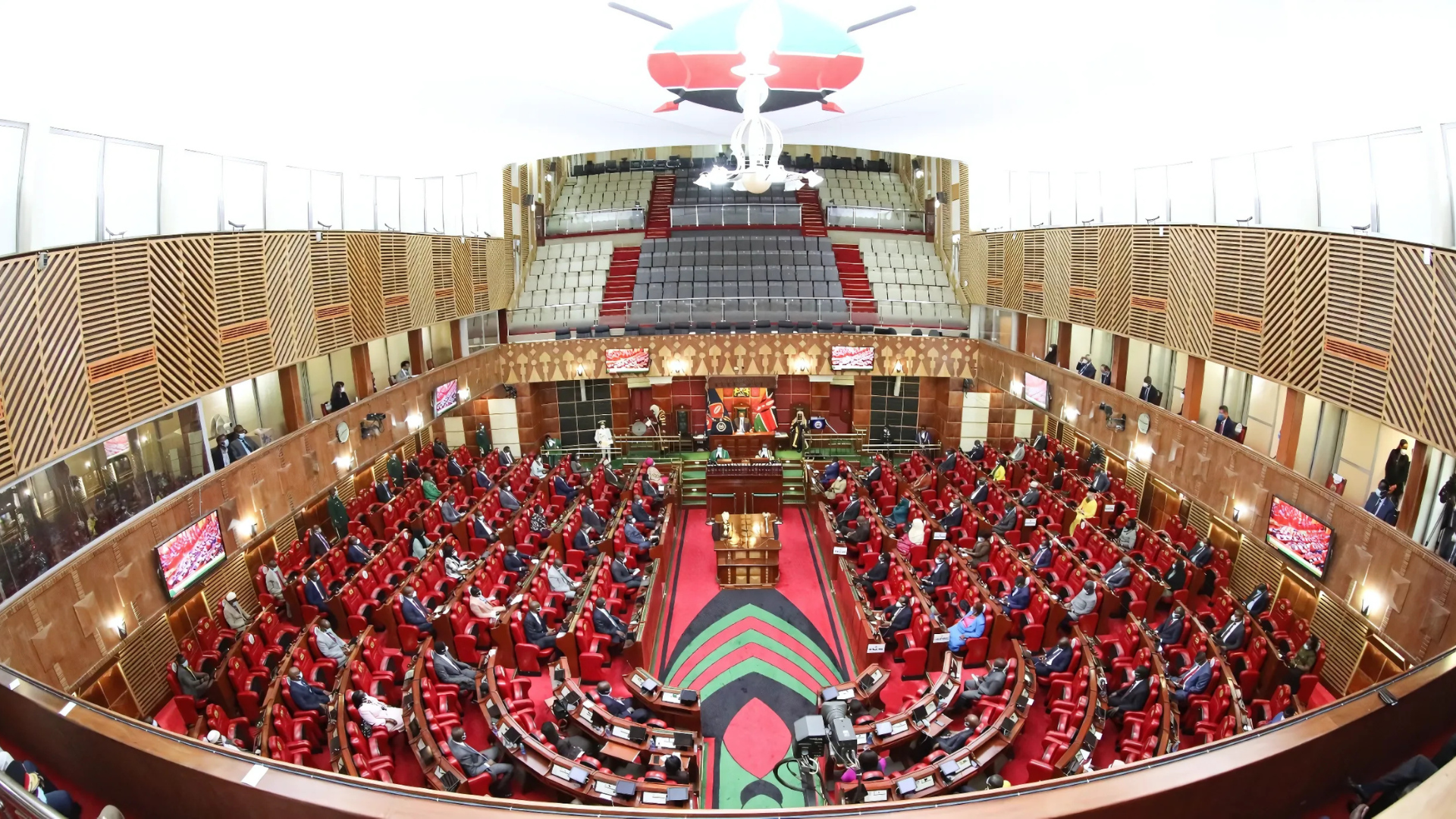
The Estate Duty Act, enacted decades ago, includes a provision that shields the estates of the nation’s first two presidents from the 20% inheritance tax applied to other citizens’ legacies. The exemption, intended to honor their contributions, has long drawn criticism for creating a two-tier tax system, particularly as public debt climbs to Sh10 trillion and inflation hovers at 5.5%. The petitioners contend that this special treatment contradicts the constitutional principle of equality before the law, arguing that no individual, regardless of past office, should escape taxation. The National Assembly’s decision to take up the matter reflects mounting pressure from civil society and ordinary citizens frustrated by perceived favoritism. A shopkeeper in Mombasa, sorting goods, remarked, “Why should their families pay less when we struggle with taxes?” The review process, expected to span weeks, will involve public hearings and legal analysis.
Public reaction has been a blend of support and skepticism. In Kisumu, a teacher preparing lessons listened to the radio, saying, “If it’s unconstitutional, it should go, no matter who it protects.” In Nakuru, a farmer irrigating his fields expressed mixed feelings. “Kenyatta built this nation, but his family shouldn’t get special treatment,” he said, pausing to adjust his hose. The petition highlights that Article 210(3) aims to prevent tax exemptions tied to public office, a safeguard against corruption and elite privilege. Supporters of the exemption argue it preserves historical legacies, but critics, including the petitioners, see it as a relic of outdated politics. A youth leader in Naivasha, organizing a community meeting, added, “This could set a precedent for fairness across the board.”
The review process, set to begin with a preliminary hearing next week, will examine the legal basis of Section 7(3), which specifically names Kenyatta and Moi’s estates. The petitioners assert that the clause, inserted during the post-independence era, no longer aligns with Kenya’s modern constitutional framework, adopted in 2010. The National Assembly Committee on Justice and Legal Affairs will lead the effort, inviting submissions from legal experts, the Attorney General, and the public. The estates in question include vast land holdings and properties, with estimates suggesting potential tax revenues of Sh2 billion if the exemption were lifted. A driver in Garissa, fueling his matatu, noted, “That money could fix our roads instead of sitting with a few families.” The debate touches on economic priorities amid rising living costs.
Communities across Kenya have begun weighing the issue. In rural Kitale, a herder tending cattle heard a radio update, saying, “If it’s unfair, change it, but don’t erase their history.” In urban Eldoret, a student at a cyber cafe scrolled through discussions, adding, “This could force all leaders to pay their share.” The petition cites examples of ordinary citizens facing estate tax burdens, contrasting with the exemption for the former presidents’ heirs. The committee plans to assess whether the provision serves a public interest or merely private gain, a question that has fueled public forums. A mother in Nyeri, feeding her children, expressed hope. “If they remove it, maybe taxes will ease for us,” she said, clearing the table. The review could reshape inheritance tax policy.
The afternoon’s announcement drew diverse reactions. In Thika, a father waiting at a clinic said, “My family talks about this; it feels like justice is coming.” In Baringo, a community elder leading a discussion noted, “Kenyatta and Moi did much, but their children shouldn’t profit more.” The petitioners argue that the exemption undermines Article 201, which mandates equitable tax systems, and Article 10, emphasizing integrity and fairness. Legal analysts suggest the court could strike down the section if Parliament fails to justify it, though political resistance from ruling party loyalists may complicate matters. A health worker in Kisii, coordinating a vaccination drive, added, “This could build trust if handled right.” The process tests Kenya’s commitment to constitutional governance.
As the day progressed, the story spread to remote areas. In Marsabit, a herder listening to a radio update said, “We pay taxes; they should too.” In Mombasa’s markets, a vendor packing fish asked, “Will this affect other leaders’ estates?” The National Assembly plans to invite the Kenya Revenue Authority to provide data on estate tax collections, shedding light on the exemption’s fiscal impact. The petitioners have called for a public referendum if the review stalls, amplifying civic engagement. A youth leader in Naivasha, reflecting on the news, said, “This is our chance to demand equality.” The issue resonates with broader calls for accountability amid economic strain.
The afternoon brought a reflective mood to offices and homes. In Eldoret, a public servant preparing a report said, “Removing this could set a fair standard.” In Kisumu, a mother checking on her family added, “But will it change anything for us?” The review will explore whether the exemption aligns with current public policy, given Kenya’s push for transparency under the 2010 Constitution. Economic pressures, including funding for universal health coverage, underscore the need for additional revenue. A community organizer in Turkana, planning a radio talk, remarked, “We need every shilling to help our people.” The outcome could influence future tax exemptions for public figures.
Legal experts see a strong case, with a lawyer in Nairobi discussing over tea noting, “The Constitution is clear; this exemption looks shaky.” The petitioners’ challenge hinges on proving discriminatory intent, supported by historical context where the clause was enacted without broad consultation. A vendor in Timau, closing his stall, said, “Let’s hope they do the right thing.” The review process, expected to conclude by October, will include public input, a step toward inclusive decision-making. A father in Nyahururu, walking home with his family, added, “This could make taxes fairer for everyone.” The debate pits legacy against equity, a tension central to Kenya’s evolving democracy.
The evening saw continued engagement across the country. In Nakuru, a group at a market debated the news. “Will their families fight back?” one trader asked, sorting vegetables. In Nairobi’s cyber cafes, a student scrolling through updates noted, “People are split but engaged.” The committee plans to consult constitutional scholars to guide the review, ensuring a robust legal foundation. A youth leader in Kitale, organizing an event, reflected, “We want a system that works for all, not just the past.” As Kenya navigates this constitutional challenge, the review of the estate tax exemption could redefine fiscal justice.